Like a red diamond on display,
admired from a distance.
Waiting for the day to break away,
but keep getting met with resistance.
My heart smoothed with vantablack,
looking empty, but filled with just.
Waiting for it to be swept back,
but constantly filled with cosmic dust.
A total eclipse happening once,
hiding behind the facade.
Hiding behind all fronts,
despite being attractive like a lighting rod.
Ancient Rome concrete,
where stories lie.
Never admitting to defeat,
building strength, and intensify.
Silence of the mind,
an impossible task.
Coming undone, unconfined,
finally showing what’s under the mask.
Hardly touched, like lunar rocks,
spoken of but rarely experienced.
Can’t contain like Pandora’s Box,
once experienced like an euphoriant.
Her love was like a natural pearl,
wild, free, but hardly produced.
But she cried for it to be unfurled,
but becomes more rare as reduced.
An amber with no imperfections,
hard to find, but so divine.
Never receiving reciprocal affections,
but kater seen on others’ shrine.
A single snowflake drifting in,
unlike any other you’ll ever find.
Feeling the regret deep within,
all because he was blind.
The Mona Lisa, appreciated too late,
she was a force that imprinted deep.
One that you cannot recreate,
but you’ll dream about her in your sleep.
A fingerprint on the heart,
no one will compare to her.
You’ll regret the day of depart,
she was the the rarest thing to occur.
Growth
Our Purpose
Sometimes life is a lantern,
meant to guide those in need.
When some feel abandoned,
we come to intercede.
Our purpose won’t scream,
and make itself known.
It comes to us through quiet dreams,
and we’ll admire it like a precious stone.
We aren’t prisoners to one calling,
as there are so many constellations.
When we find it, it can be enthralling,
and it’ll impact future generations.
Every shadow, even flawed, has purpose,
but it may not make sense in the moment.
Not living life is a disservice;
we all reach atonement.
Every bad thing that happens is a message,
and every good thing is a reward.
We’ll always get out of the wreckage,
because we’ll always be restored.
We’re all bound to reflect on life,
like, “Why are we here?”
Purpose carved in glory and strife,
and walking through joy and fear.
11/20/2025
Broken to Brilliant
You broke what you held,
yet I grew golden from the damage.
Now you drown in the bye you compelled,
but now I have the advantage.
Thiving came to me private,
showing me I can be self-reliant.
No longer am I compliant.
I’m more myself and vibrant.
My laughter fills the sky with every hue,
because of all the hurt I outgrew.
Life has felt more anew,
despite everything I’ve been through.
I’ll sing and dance in the rain,
and I won’t hold any disdain.
And this is how I shall remain.
This is all I’ve ever wanted to attain.
The light in me that faded is now radiant.
Others say I’ve never been so vibrant.
Finally feeling like I’m in alignment.
I’m out of my own confinement.
11/19/2025
Tips for New Teachers: What I Wish I Knew
Starting a teaching career can be overwhelming, especially without the support of a comprehensive teacher preparation program. The transition into the classroom often brings anxiety and uncertainty.
My journey was unique. I was assigned two campuses while managing five-course preps. At first glance, this might seem daunting to most, and truthfully, it was a significant challenge. However, this experience provided invaluable lessons. The contrasting cultures and demographics of the two campuses broadened my perspective, and the strong support system at one of the schools played a crucial role in my growth.
Now, fifteen years later, here’s what I wish I had known as a new teacher:
Ask Questions: The Key to Growth as a New Teacher
As a new teacher, you don’t know what you don’t know. The best way to navigate the learning curve is by asking questions—whether to colleagues in your content area, teachers in your hallway, or those with similar teaching experiences. These conversations will provide some of the most valuable insights as you establish yourself in the classroom.
Asking questions is essential to success, from lesson planning and classroom management to scheduling and parent communication. Even after fifteen years in the profession, I continue to seek advice from my peers. Every school has its own culture, and what works in one environment may not be effective in another. If you transition to a new campus, district, or leadership team, take the time to understand the expectations and dynamics of your new setting.
Not Sure What to Ask? Start Here.
To help you navigate your first few months, consider asking:
- Student Expectations: What are the arrival, dismissal, and transition procedures?
- Student Demographics: What should I know about our student population?
- Curriculum & Pacing: Is there a district-mandated curriculum or pacing guide?
- Technology Resources: What tools are available for teachers and students?
- Professional Development: What training opportunities are offered?
- Observations: Am I allowed to observe other teachers on and off campus?
- Administrator Feedback: How do administrators provide feedback?
- Campus Routines: What are the key procedures (e.g., CHAMPS, lunch routines, hallway transitions)?
- Parent Communication: What is the preferred method for contacting parents? Am I required to document interactions?
- Student Accommodations: How do I track 504 and IEP accommodations, and where is this information recorded?
You’ll gain confidence and build a strong foundation for your teaching career by actively seeking guidance. Never hesitate to ask—every question brings you one step closer to success.
Beg, Borrow, Steal, Adapt, and Train: Learning from Others as a New Teacher
One of the most valuable things you can do as a new teacher is learn from those around you. This includes colleagues within your building, educators from other schools, professional networks, social media, and online teaching resources such as Teachers Pay Teachers. With so many tools and sources of inspiration available, it can feel overwhelming to know where to start.
Recommendations for Expanding Your Knowledge
- Explore District and Regional Trainings – Contact your district about in-person or digital training opportunities. Many states also have regional education offices that offer professional development for teachers. They may provide additional training options if you’re part of a union. Before enrolling, confirm whether the training counts toward the required professional development hours.
- Join Webinars for Educational Technology – Many platforms, such as Canva, Nearpod, and IXL, offer free webinars to help teachers maximize student engagement and learning through their tools.
- Engage with Social Media Communities – Follow experienced educators on Twitter, Instagram, and TikTok. Many share valuable teaching strategies, classroom management tips, and creative lesson ideas, often with real-life implementation examples.
- Curate and Adapt What Works for You – No single resource or lesson perfectly fits your teaching style, schedule, or classroom structure. Be selective—take what aligns with your needs, modify where necessary, and leave out what doesn’t work. Remember that different schools follow different schedules, such as block scheduling versus shorter class periods, so flexibility is key.
Leveraging the wealth of knowledge from your professional community can help you build a strong foundation and continue evolving as an educator. Teaching is a collaborative profession—embrace the shared wisdom, and don’t be afraid to adjust to fit your unique classroom environment.
Be Yourself: The Power of Authentic Teaching
Authenticity is key to long-term success and reduced stress in teaching. Stay true to your teaching style and preferences. If interactive notebooks aren’t your thing, don’t feel pressured to use them. Teaching should balance innovation and comfort—trying new strategies is valuable, but forcing yourself into methods that don’t align with your style can lead to unnecessary stress. I believe in experimenting with different approaches at least once, but if something doesn’t work for you, it’s okay to let it go. What works for one teacher may not work for another, and that’s perfectly fine.
Building Relationships: The Foundation of Effective Teaching
Strong student relationships are essential for a successful classroom. Dedicate at least the first few days to getting to know your students. These conversations may initially feel surface-level—discussing favorite sports, candy, TV shows, or music—but they serve as a starting point for deeper connections. When asking students about their interests, be sure to share your own—modeling this interaction fosters mutual trust and engagement.
As the year progresses, find ways to incorporate personal connections into your curriculum. This can be done through warm-ups, exit tickets, or content-related discussions. For an English teacher, personal reflections and discussions are naturally woven into lessons, but small moments for connection are possible even in subjects like math. A little effort goes a long way in building trust and rapport.
However, always maintain professional boundaries. Avoid oversharing personal details, and remember that as a teacher, you are a mandated reporter. Some students face challenges far beyond their years; you may hear complex stories. If a student shares something concerning, you must report it appropriately.
By remaining authentic and prioritizing relationships, you can create a supportive and engaging learning environment where you and your students can thrive.
You Are Your Best Advocate
Above all, remember that you are your strongest advocate. Stay true to your values and teaching philosophy, and never lose sight of what matters most. This ties back to authenticity—finding fulfillment in this profession requires staying aligned with your core beliefs and principles.
That said, being true to yourself does not mean imposing personal views or political opinions on students. In many states, doing so is against ethical guidelines. Instead, model the values you believe in through your actions. If family is important to you, foster a classroom environment that feels like a supportive community rather than expecting students to conform to a traditional family structure. If you believe in equality, empower all students to express their perspectives respectfully rather than promoting a singular viewpoint. Demonstrating fairness, inclusivity, and critical thinking allows students to develop their values in an unbiased environment.
Applying these foundational principles can make your first year as a teacher successful. While there are countless strategies to help you navigate this journey, too much advice at once can become overwhelming. Start small, implement changes gradually, and refine your approach over time. Teaching is a lifelong learning process—embrace it with confidence and authenticity.
How to Review the School Day at Home: A Guide for Parents
Reviewing the school day at home can be a valuable practice for reinforcing learning, fostering communication, and strengthening the parent-child relationship. Parents play a pivotal role in helping children process what they learn at school, allowing for a deeper understanding of academic content and supporting emotional development. Research suggests that discussing the school day can enhance memory retention, boost motivation, and build stronger academic habits (Epstein, 2011). This blog explores strategies for parents to effectively review the school day at home in a way that promotes both academic success and emotional well-being.
Open-Ended Questions Encourage Meaningful Conversations
One of the most effective ways to review the school day is through open-ended questions, which encourage children to reflect on their experiences. Instead of asking, “How was school?”—which often elicits a simple “good” or “fine”—parents can ask more specific questions that prompt deeper thought. Questions such as “What was the most interesting thing you learned today?” or “Can you tell me about a challenge you faced?” allow children to express themselves in more detail and engage in meaningful conversations.
Research by Fishel and Ramirez (2005) suggests that open-ended questions help children reflect on both academic content and their emotions, fostering emotional intelligence and self-awareness. Parents should listen actively and avoid interrupting, allowing the child to take the lead in sharing their thoughts. This process not only helps children articulate their learning but also fosters a sense of support and encouragement from the parent.
Incorporate a Routine
Creating a routine for reviewing the school day can be beneficial for both parents and children. Just as students thrive on routines in the classroom, having a set time to discuss their day at home can provide structure and consistency (Epstein, 2011). Whether it’s during dinner, on the ride home from school, or before bedtime, establishing a regular time for reflection can help children prepare mentally and emotionally to share their thoughts.
Routines also ensure that reviewing the school day becomes a habit rather than a sporadic activity. According to Clear (2018), habits are more likely to stick when they are tied to specific cues—such as the end of the school day or a family meal. By setting aside a specific time for this conversation, parents can create a predictable space for children to open up about their day and process their learning.
Celebrate Small Wins
Acknowledging and celebrating small achievements during the school day can boost children’s motivation and confidence. When reviewing the day, parents should focus on both academic and social accomplishments, reinforcing that all aspects of the school experience are important. Positive reinforcement, such as recognizing effort in completing a challenging assignment or highlighting acts of kindness, encourages children to take pride in their work and social interactions.
According to Carol Dweck’s (2006) research on the growth mindset, praising effort over inherent ability helps children understand that they can improve through hard work. By celebrating progress rather than perfection, parents can help their children develop resilience and a love of learning. Simple gestures like verbal praise or spending quality time together as a reward can reinforce the positive behaviors associated with schoolwork.
Focus on Emotions, Not Just Academics
School days are not just about learning math or reading; they are also filled with emotional and social experiences. It’s essential for parents to recognize the emotional dimension of their child’s school day when reviewing it at home. Asking about how a child felt during different parts of the day, how they navigated social interactions, or whether anything made them feel frustrated or proud can open up a broader conversation about emotional well-being.
Studies by Elias et al. (1997) highlight the importance of emotional intelligence in academic success. When parents provide a safe space for children to express their emotions, they help build emotional regulation skills, which are crucial for managing stress and maintaining focus in school. Additionally, validating a child’s feelings—whether they are excited, frustrated, or anxious—can create a supportive home environment where children feel understood and valued.
Encourage Problem-Solving and Reflection
Part of reviewing the school day should involve helping children reflect on any challenges they encountered. Whether it’s a difficult math problem, a disagreement with a friend, or anxiety about an upcoming test, parents can encourage their children to think critically about how to address these challenges. Asking questions like “What do you think you could do differently next time?” or “Is there anything you need help with?” can guide children toward problem-solving strategies.
According to Xu and Corno (2020), reflection and problem-solving are critical skills that contribute to academic resilience. By encouraging children to think about solutions rather than just focusing on problems, parents can foster a sense of independence and self-efficacy in their children. This approach also reinforces the idea that challenges are a normal part of learning, helping children develop a healthy attitude toward overcoming obstacles.
Conclusion
Reviewing the school day at home offers numerous benefits, from reinforcing academic concepts to fostering emotional intelligence. By asking open-ended questions, establishing a routine, celebrating small achievements, and focusing on both academic and emotional experiences, parents can create a supportive environment that encourages their children’s growth. This daily review not only strengthens the parent-child bond but also instills lifelong learning habits that contribute to academic success and emotional well-being.
References
Clear, J. (2018). Atomic habits: An easy & proven way to build good habits & break bad ones. Avery.
Dweck, C. S. (2006). Mindset: The new psychology of success. Random House.
Elias, M. J., Gara, M. A., & Ubriaco, M. (1997). Emotional intelligence, social problem solving, and applied intelligence. In Social development: Relationships in infancy, childhood, and adolescence (pp. 167-193). Sage Publications.
Epstein, J. L. (2011). School, family, and community partnerships: Preparing educators and improving schools. Westview Press.
Fishel, M., & Ramirez, L. (2005). Parent involvement in children’s education: A review of research and policy. Family Involvement Research Digest, 1-6.
Xu, J., & Corno, L. (2020). Engaging homework: Perspectives from teachers, parents, and students. Theory Into Practice, 59(1), 45-55. https://doi.org/10.1080/00405841.2019.1682173
Balancing Work and Life: Strategies for Achieving a Healthy Work-Life Balance
In today’s fast-paced world, achieving a healthy work-life balance has become increasingly challenging. With the rise of remote work and the blurred lines between personal and professional life, it’s easy to feel overwhelmed by the demands of both. However, maintaining balance is essential for physical, emotional, and mental well-being. This blog explores key strategies to help manage the competing priorities of work and life while maintaining health and happiness.
1. Set Clear Boundaries
One of the most critical steps in achieving work-life balance is establishing clear boundaries between work and personal time. Without boundaries, work can easily spill over into personal life, leading to burnout. According to a study by the American Psychological Association (APA), individuals who set firm boundaries between work and home life report lower stress levels and greater job satisfaction (APA, 2020).
Communicate your work hours to colleagues and supervisors, and resist the urge to check emails or respond to work messages after hours. Setting boundaries ensures you have time for rest, hobbies, and family, which is essential for long-term well-being.
2. Prioritize Time Management
Effective time management is another crucial aspect of balancing work and life. Prioritizing tasks based on importance and urgency allows you to focus on what matters most without feeling overwhelmed. The Eisenhower Matrix is a popular time management tool that categorizes tasks into four quadrants: urgent and important, important but not urgent, urgent but not necessary, and neither urgent nor essential (Covey, 1989).
Such strategies allow you to allocate time efficiently and avoid unnecessary stress. Additionally, scheduling regular breaks throughout the workday can help maintain focus and prevent burnout. Research suggests short breaks improve productivity and mental clarity (Fritz et al., 2011).
3. Embrace Flexibility
Flexibility is critical to achieving work-life balance, especially in today’s dynamic work environment. With the rise of remote work and flexible hours, many employees have more control over their schedules. This flexibility allows you to better balance personal commitments, such as family time or self-care, without sacrificing professional responsibilities.
However, flexibility also requires discipline. Establishing a daily routine that includes dedicated time for work, personal activities, and relaxation ensures that both areas of life receive attention. A study published in Harvard Business Review found that individuals who cultivated structured flexibility reported higher levels of job satisfaction and work-life balance (Kossek & Lautsch, 2018).
4. Learn to Say No
Overcommitting is a common pitfall that can hinder work-life balance. Whether taking on extra projects at work or agreeing to social events, constantly saying “yes” can leave you feeling stretched too thin. Learning to say “no” when necessary is vital for protecting your time and energy.
Saying no doesn’t mean neglecting responsibilities; it’s preserving your well-being. Assertive communication helps you manage your workload more effectively and maintain balance. A study in The Journal of Social Psychology found that individuals who practice assertiveness experience lower levels of stress and burnout (Smith et al., 2017).
5. Prioritize Self-Care
Self-care is often the first thing to be sacrificed when juggling work and personal life, but it is one of the most essential elements of a balanced life. Regular physical activity, proper nutrition, and adequate sleep are key to maintaining energy levels and mental clarity (Mayo Clinic, 2018).
Additionally, engaging in enjoyable activities—reading, spending time outdoors, or practicing mindfulness—helps reduce stress and recharge your mind. Prioritizing self-care makes it easier to approach both work and life with a positive attitude and greater resilience.
Conclusion
Achieving a healthy work-life balance is an ongoing process that requires intentional effort. You can create a more harmonious and fulfilling life by setting boundaries, managing time effectively, embracing flexibility, learning to say no, and prioritizing self-care. Balancing work and personal life enhances productivity and improves overall well-being and happiness.
References
- American Psychological Association. (2020). Work-Life Balance Stress in America Survey.
- Covey, S. (1989). The 7 Habits of Highly Effective People. Free Press.
- Fritz, C., et al. (2011). Take a break: The benefits of pauses and breaks in work performance. Journal of Applied Psychology.
- Kossek, E. E., & Lautsch, B. A. (2018). The dynamic relationship between work-life balance and job satisfaction. Harvard Business Review.
- Mayo Clinic. (2018). Work-life balance: Tips to reclaim control.
- Smith, R. E., et al. (2017). Assertiveness, stress, and psychological well-being in the workplace. The Journal of Social Psychology.
How Fast Life Changes: House Fire & Post-Op
I meant to update with my post-op hysterectomy, but life happened.
I had surgery on June 23rd. My post-op appointment was July 31st. Work started August 1st. But…My mom had a house fire on July 23rd.
The house fire was my childhood home. I grew up in that house and lived there for 26 years. Memories filled that home with good and bad. A lot of the “major” events of my life happened there: graduation from high school, graduation with my Bachelor’s degree, graduation with my Masters, first job, current job, and much more. My mom lived in that house for 40+ years and owned it. She didn’t have insurance due to State Farm dropping her for previous claims.
If you’d like to donate to the GoFundMe, we would greatly appreciate it. I also have Venmo (@AngelBoucher) and Cashapp ($AngelBoucher).
My brother and she lost everything: clothes, hygiene, their home, furniture, bedding, towels, etc. My brother’s car key and phone melted in the fire. We had to call a locksmith to make him a new key. She also now needs to find a new home of some kind. My mom is 70 years old, which is nearly impossible to start over. HUD housing has a 2+ year waitlist. Habitat for Humanity is not taking applications. We’ve reached out to a million people, and there just isn’t much help right now, understandably so.
My mom and brother made it out, barely, along with their dogs. Some cats made it out, while others did not. Immediately following the fire, my brother moved in with my oldest brother and sister-in-law. My mom moved in with me.
The fire started with a window air conditioning unit. Because Texas has had an extremely dry summer, the grass around it was dry and dead. The fire spread quickly, causing the majority of the house to burn and all of my brother’s RV. What wasn’t burned was filled with soot from the fire. The house was declared a danger, uninhabitable, and a total loss. Two cities had to come help put out the fire. It took several hours to put out. It reignited and required them to come out a second time.
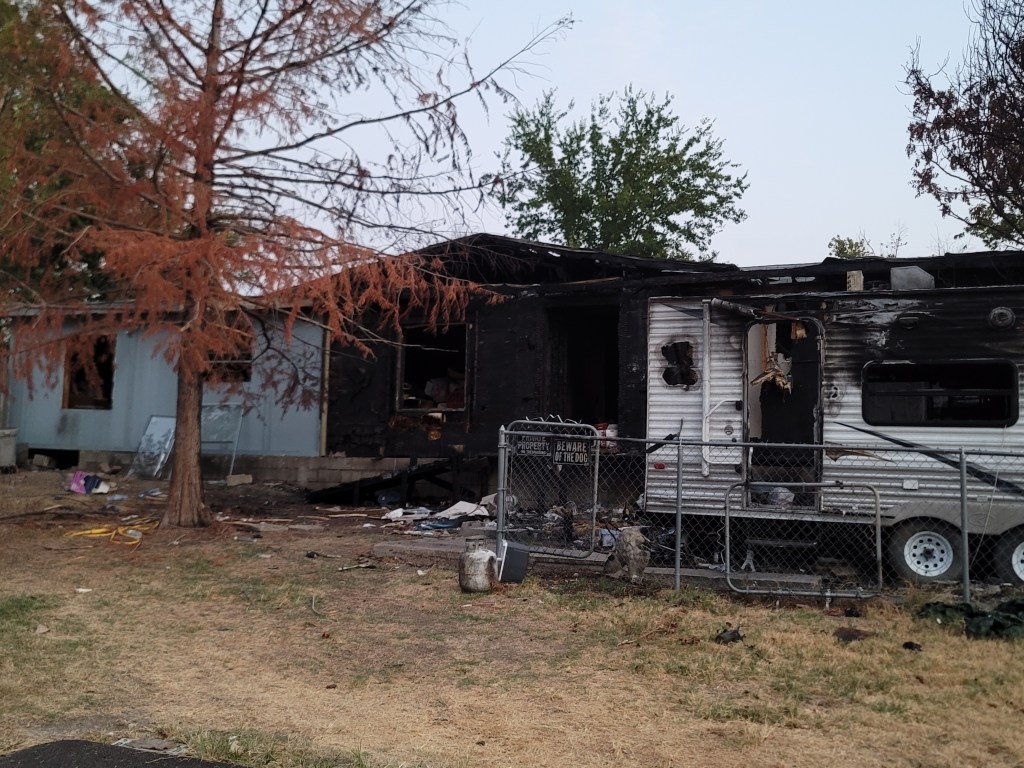
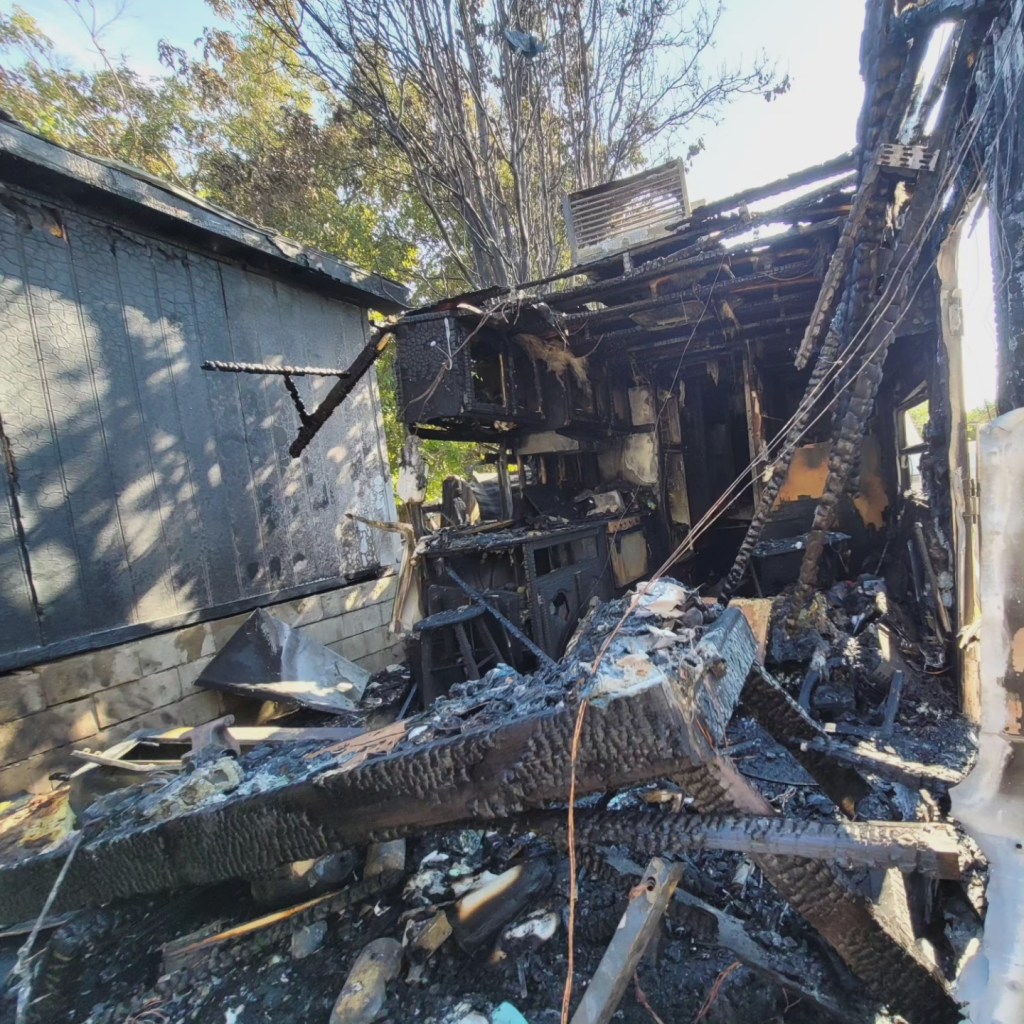
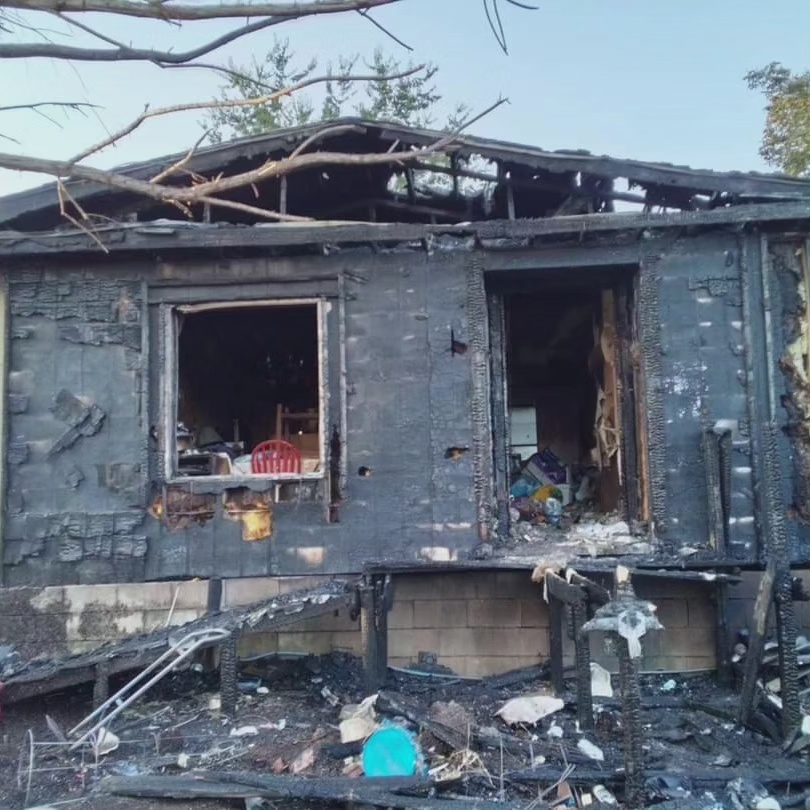

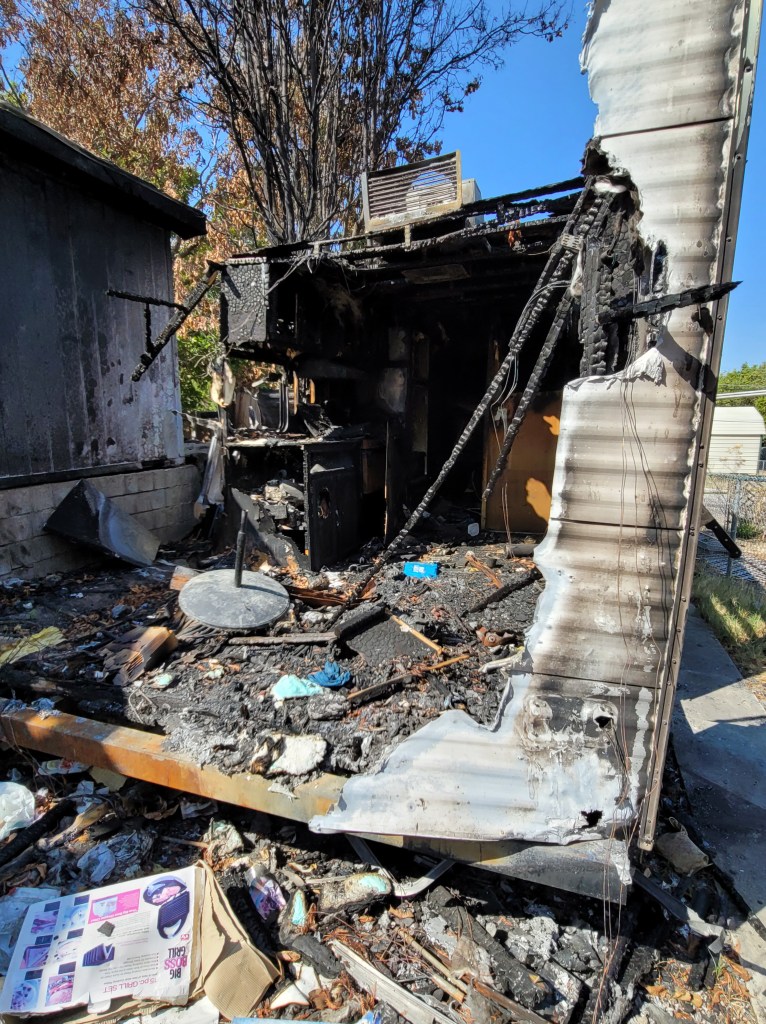
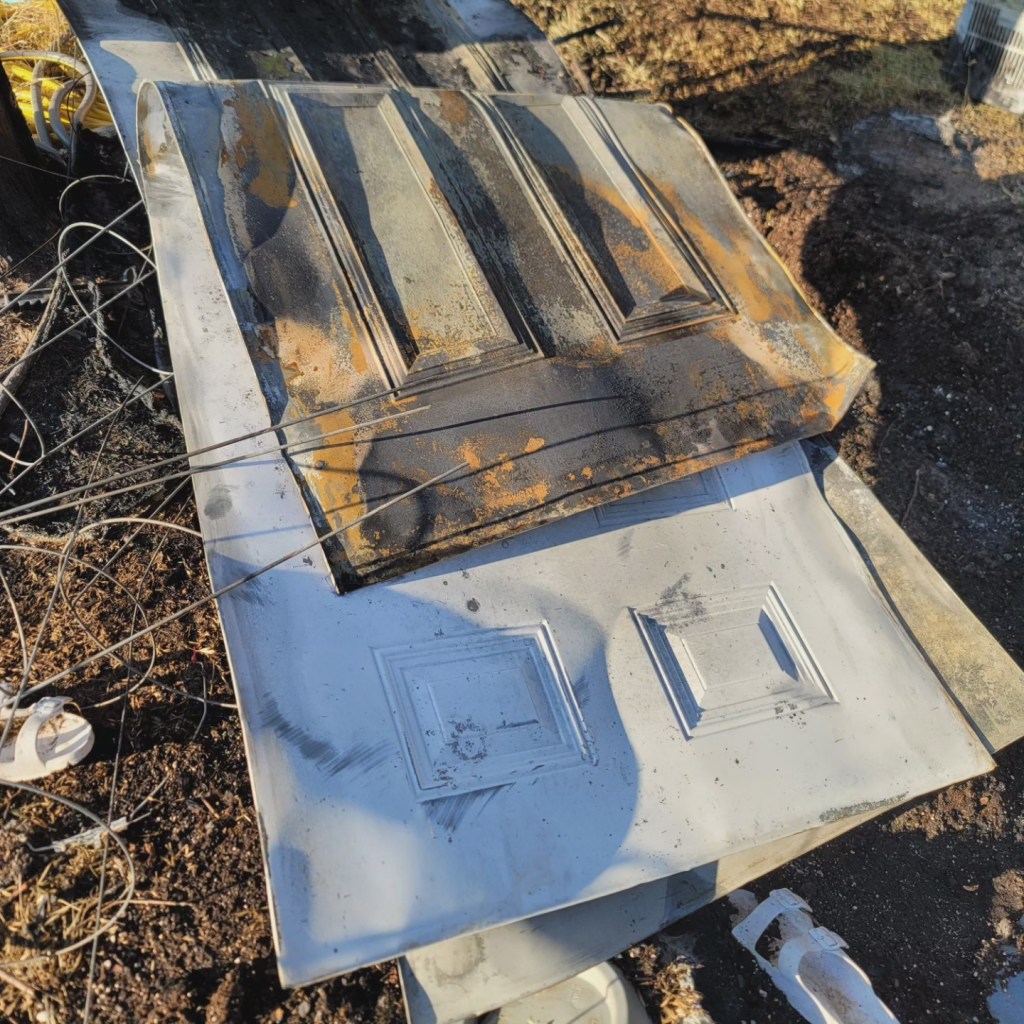

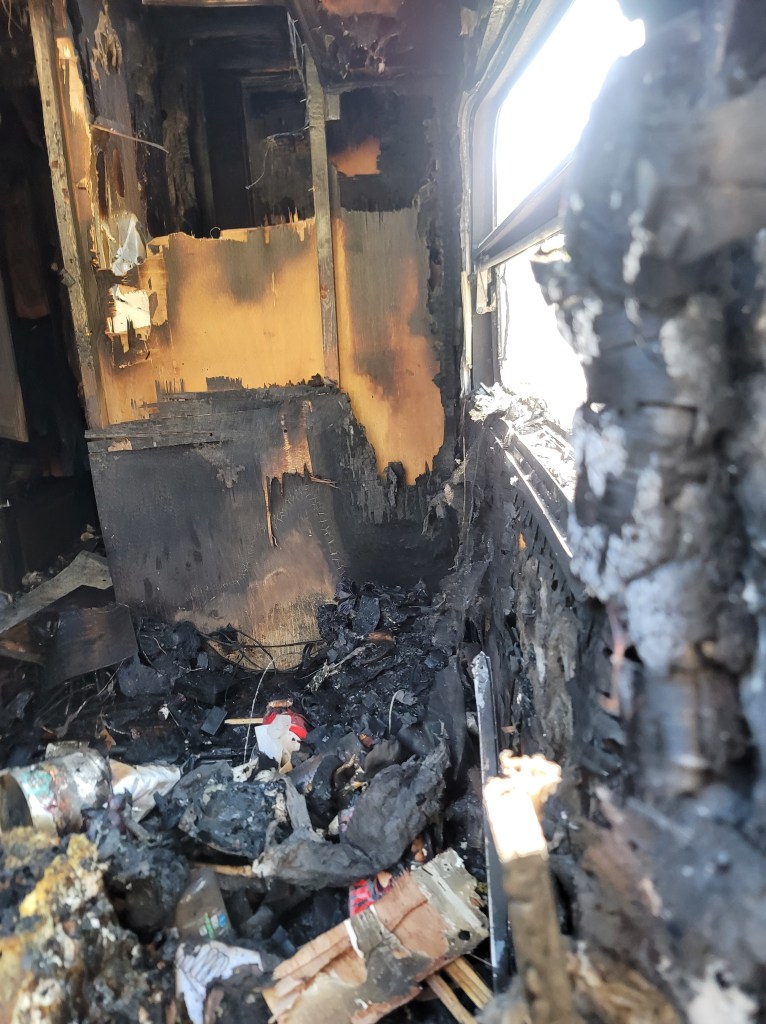
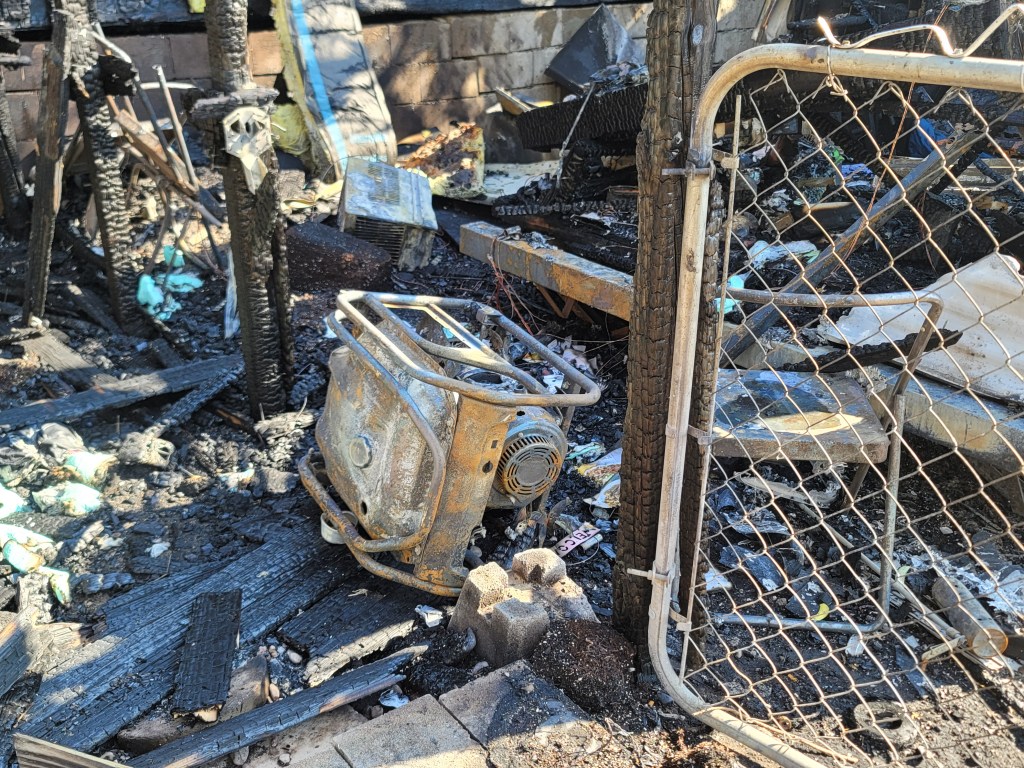
It’s been extremely stressful and depressing since the fire. Add on work stress and normal life stressors. It’s been a rough month and a half. I haven’t had the time or mental capacity to update. Processing so much loss in a short amount of time is difficult.
Wednesday, September 6th, 2023 what’s left of the house gets demolished. At first, I was okay with the thought. As it nears, I am much more emotional about it. I couldn’t figure out why. The memories exist regardless of the physical house or not. But then it hit me…
The house has two meanings to me:
1) It was the last big physical memory of my dad.
2) The house was symbolic of my life: from the happy, new beginnings to the demise into pieces. I won’t go into details right now, but…it really made my emotions make sense.
I knew I had to make this post. Not only to update those curious about the hysterectomy but also just a general update. I’ve been struggling, mentally.
Mental health is not talked about enough. As someone who used to write for a mental health company, I am pretty self-aware. Not everyone is, and not everyone has support. I think it’s important for more people to talk about the reality of how strenuous things (small and big) can be on the mind. At times, it can feel incredibly overwhelming. At other times, I feel completely numb and lack any empathy.
As for my post-op, everything was fine. I had a few stitches not yet resolved. He cleared me to return to normal activities. I have yet to make it to the gym. He said that a year after surgery, my body was only 80% healed. I found that fascinating. The doctor mentioned that my scar tissue would break down and build up over and over throughout the healing process. I may feel times of discomfort, but generally, I should be okay. He emphasized listening to my body. He did say I wouldn’t need any future exams, as I chose a full hysterectomy.
In the midst of everything going on, I chose to get a tattoo to symbolize my hysterectomy.
Yellow = Endometriosis
Teal = Polycystic Ovarian Syndrome (PCOS)
Magenta = Adenomyosis
Purple = All three mixed together
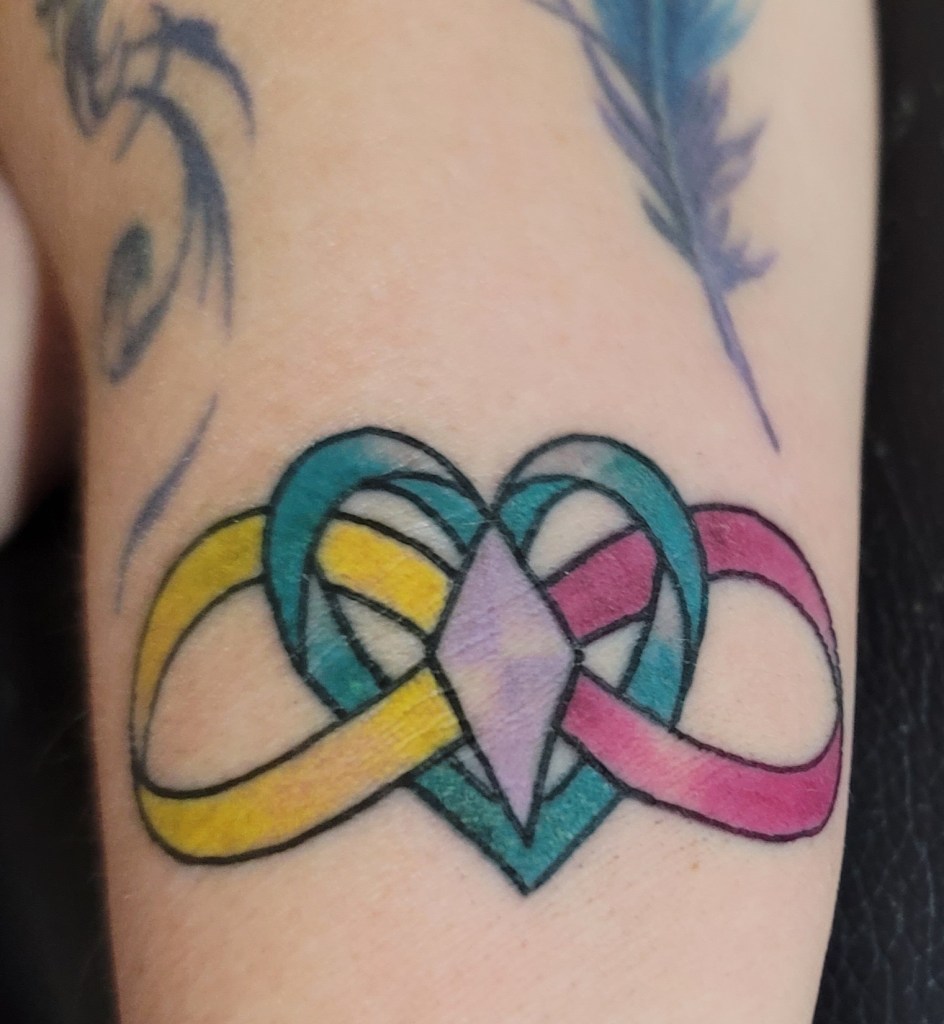
A lot has changed in my life in the last month. A lot will continue to change. Every day I get stronger – mentally and physically. Life will never cease to amaze me.
I plan to use the next couple of months regathering myself and figuring things out.
Tips & Purchases for Hysterectomy
If you’re like me, you’ll probably research a lot about your surgery before it happens. It’s always better to go into something prepared. As I told my mom, I’d rather have things I don’t need and return them than not have them and need them. We all heal differently, but most every woman can agree that these items will help with the recovery of a hysterectomy.
Any product link is NOT affiliated.
General Tips
1. Hydrate: I was lucky to be told I could hydrate up to two hours before surgery. In fact, I was given a special pre-surgery drink from Ensure that is supposed to help with recovery. I looked into this because I thought it was just a marketing scheme, but there are actual medical studies on how this drink helps patients recover. One thing I was told and looked up to be true was that the more hydrated I am, the better the recovery will be. In my mind, I rolled my eyes. However, it was true. Leading up to my surgery, I made sure to down at least 60 ounces of water every day. After surgery, I drank at least 120 ounces in the hospital in 48 hours. I peed like I’ve never peed before, but that’s a good thing (we’ll talk about catheters later). During recovery, my days were a hit-and-miss. On days I didn’t drink enough, the next day was rough. On days I had plenty of fluid, I felt unstoppable the next day. Stay hydrated!
2. Walk A Lot: You’ll want to lay around in the hospital bed and/or at home a lot. It’s natural. Everything hurts. However, the more you walk, the better you’ll feel. Walking not only helps with the inflammation and rebuilding of the muscles, but it will also help move the surgery gas through your body. The surgery gas is one of the worst parts of this procedure (see below). The faster you get it out of your system, the better you’ll feel. When you walk more, it moves the gas around to help it escape. Walking also helps the bowels function to prevent constipation (details coming later). Lastly, walking helps reduce the possibility of blood clots.
3. TAP Block: I was lucky to have them give me a TAP Block during surgery. Even with that, though, I woke up from anesthesia in severe pain (see below). After waking up, they offered me a second TAP Block. TAP Blocks are similar to epidurals but are given in the front of the body to block the lower limb nerves. It was an uncomfortable shot, but it was well worth it considering the pain you’ll have when you first wake up. It will help with recovery and lessen the pain, in turn lessening the need for pain meds.
4. Rest: You’ll want to return to normal activities. Don’t let your body fool you. You’ll have some great recovery days, but if you overdo it, it can cause more damage to the site. You’ll want to test as much as you can to ensure you heal properly so you won’t have secondary effects. No matter how ready you feel, do not lift things!
5. Have Someone to Help: If you live alone, make sure to have a plan for someone to help you. The first few days, you’ll halt being able to do anything. Don’t try to force it. Having someone to help do laundry, dishes, getting food, etc. is helpful. You’ll not want to risk injuring yourself during recovery.
6. Prepare for Waking Up: Waking up from anesthesia will be the worst you’ve ever felt in your life. I felt myself trashing around in the hospital bed, crying in pain. No one talks about those first 10 minutes, but it is the worst. It’s like you’re waking up in the middle of the surgery itself. Luckily, if you have good nurses, they’ll notice it and handle your pain meds immediately. After you get over the first two hours of anesthesia wearing off, you are golden! Nothing will compare to the feeling of just waking up, though.
7. Have Things to Do: You’ll get bored incredibly quickly after the surgery. There is only so much you can do on your phone, including games. It may become hard to focus on audiobooks and reading because of the medication. You won’t be able to lift anything, so you’ll have to be careful what activities you choose to do. You won’t be able to have anything on your stomach either. I personally used this time to learn how to crochet and expand my interest in writing. Hide the credit card because it will be so easy to just shop from your phone all the time!
8. Have Easy Meals: Whether you stock up on frozen dinners or whether you have pre-made meals, it’s important to have meals that are easy to reheat/heat. Coming out of surgery, you’re not going warm to stand over a stove or oven trying to cook something. You’re also not going to want to do a ton of dishes afterward, either. I personally bought quite a few ready soups. Because I knew that a liquid diet would be beneficial for the movement of my bowels. However, I did get some other frozen dinners to make up for days when I felt like I needed solid food or protein.
9. Prepare Mentally: Aside from the physical pain, the emotional/mental side of this surgery is tough, especially if you’re fairly independent. You will need support, good friends/family to check in on you and help you, and you’ll need distractors for things you can no longer do or pain.
Must Have Items to Buy
1. Gas-X, Miralax, and Stool Softeners: The gas is extraordinarily painful. The gas you’ll have will build up in your intestines and your body by your shoulders, rib cage, back, etc. The faster you can relieve this gas, the better you’ll feel. On the same token, the pain medication will/can cause constipation. You don’t want to be constipated because it can cause damage to the surgical site. The easier bowel movements you have, the faster you will heal. You’ll want to take Stool Softeners and Miralax to help get things moving. If you haven’t gone in a week, you need to contact your doctor. It is also recommended to potentially do an enema as well if no bowel movement has occurred. Once you have diarrhea, though, back off the Miralax. Diarrhea is equally as bad as constipation when it comes to the healing process. Generic brands are fine.
2. Heating Pads & Ice Packs: Heating pads help not only with pain and swelling but also help in moving the gas around. The gas tends to be the worst part of the surgery, so the faster you get it to move and release from your body, the better you’ll feel. Ice also helps with inflammation and swelling post-surgery. My personal favorite heating device is the electric portable one. I can take it with me to work, drive, etc. It lays flat on my site so it ensures constant contact. A regular heating pad works well at home. Similar to the heating pad, I enjoy the clay ice packs with the Velcro enclosure. It allows me to have the ice pack flat, with pressure, on the site. At home, the large or extra-large ice pack would be great.
3. Belly Binder: Most of the time, the hospital will provide one for you through your insurance. However, if they don’t, or if you want to be prepared, I would suggest getting a belly binder. It doesn’t have to be fancy or detailed, but a bigger one for the whole abdominal area will help. After surgery, your other organs are fighting for the open space. Add that to the rawness and swelling of the surgery, and it’ll feel like cinderblocks are attacked to you. Pulling yourself up, getting up from a seated position, laying down, and even using the bathroom are all painful after surgery, so this will help create a tight feeling to make it more tolerable. It feels like someone hugging your abdominal muscles all day. It truly feels amazing! I was lucky to get one through my insurance, but Amazon has a belly binder similar. You can get them in all sizes.
4. Loose Clothing (Nightgowns/Dresses), Including Underwear: With the swelling and inflammation, you’ll want to have your clothes barely touching you. It’s really recommended to wear nightgowns and/or dresses to have no pressure on your incision sites. It will allow your incisions to breathe as well. You’ll relieve so much pain just by going up a size for this surgery. I bought my nightgowns through Walmart. Their nightgowns were soft and cool. I got it one size bigger than I needed for comfort and swelling purposes.
5. Apple Juice & Cranberry Juice: Apple juice will help with bowel movements and cranberry juice with help prevent urinary tract infections. During surgery, you’ll be given a catheter. Depending on how surgery goes, it may come out immediately. It may be left in. It’s no surprise that peeing after a catheter feels like a gas-fed fire. It’s incredibly painful. The more hydrated you are, the faster that pain will go away. Cranberry juice helps fight a potential infection. These pills can be taken to help as well, but not necessary if you maintain hydration and urinary movements.
6. Ibuprofen & Tylenol: Your doctor will only prescribe a few pain pills. The goal is to keep you off of them to ensure you don’t get constipated and to avoid possible addiction. They will tell you to begin taking the biggest dose of Tylenol and Ibuprofen possible in between pain meds to help the body adjust. Once you’re out of pain meds, it’s unlikely your doctor will prescribe more.
Recommended, but Not Necessary
1. Shower Stool/Shower Handles: Lifting your leg and standing for long periods will be difficult. It will exhaust all energy you have in your body. Standing up straight will feel impossible for the first few days. By using a shower stool, you’ll be able to take a good shower without feeling too much pain from the swelling or the tightness from trying to stand. If you know someone who had one, I would go that route. The hospital may also be able to get one approved through your insurance.
2. AVO Urinary Tract Infection (Cranberry) Pills: As mentioned previously, there is an increased risk of infection due to having the catheter. You’ll struggle to urinate the first few days as well, which can increase the risk of infection. To prevent that, you’ll want to stay hydrated. These pills can lessen the possibility of getting a urinary tract infection in the meantime.
3. Pillows: If you can afford nice wedge pillows, I would suggest that. However, cheap Walmart pillows will do as well. You’ll want one to protect your stomach, especially if you have pets or young kids. You may also buy a small one for driving to protect from the seat belt. You may want a pillow for your legs to prop them up. The first few days will be hard to straighten your legs. You may use it in between your legs as well if you’re a side sleeper. I bought four new pillows to help prop different parts of my body. I probably didn’t need that much, but it was good to have them!
4. Seat Belt Protector: This is a must-have, but there are other options out there. The seat belt protector protects your surgical site from the pressure of the seat belt. It allows you to place an ice pack or heating pack in there as well for additional comfort. Although you won’t necessarily be driving, even as a passenger, you’ll want the relief. The one I bought from Amazon has an ice/heat compartment. It’s soft and washable!
5. Abdominal Massager/Heat Pad: Although a basic heating pad would work, these machines do a great job of putting the perfect pressure on the abdomen. They provide a soothing light massage that won’t be too hard on your surgical site. It’s more of a vibration than anything else. What I like most about it, though, is that it sits perfectly around your abdomen, versus, a heating path that doesn’t have enough pressure to stay down on your stomach. Some brands are much louder and have more vibration than others, so make sure that you read the reviews. I linked my favorite to the heating/ice post.
Post-Surgery Recommendations
1. Cooling Blanket: Once your hormones start acting up, you’re going to start having hot flashes. To help prevent this, a cooling blanket is helpful. It’s a thin blanket that takes your heat and turns it into cool. They usually have running deals all the time on these. I highly recommend that you get one while on sale. My cooling blanket is fairly thin, but it does a great job converting heat to cool.
2. Tower Fan: Along with the hot flashes. I would also recommend getting a tower fan. You may not have hot flashes all the time. That tower fan will be extremely beneficial in cooling you off. The technology of these fans has grown tremendously, and you could now get one with Wi-Fi. You’ll want one with good running time, height, and strong power.
3. Neck Ice Rope/Fan: I would recommend getting both the ice rope and a neck fan. Both of these will help cool you in the middle of a hot flash. I personally like the ice rope better because it is colder, but the neck fan is also incredibly helpful with circulating air around your face. I got mine off Temu because I had enough notice. However, Amazon has neck ropes and neck fans as well!
4. Grabber Claw: If you live alone, I feel like this is essential to have, especially within the first week of surgery. You may end up dropping some things during your time either because just being fatigued or just because it happens. Bending over is incredibly hard, and even bending at the knees hurts. A grabber will help you pick up anything that you may drop. I personally did not use one, but I can see why it would be beneficial.
5. Squatty Potty: I would recommend this even without surgery. I feel like having this will make your bowel movements so much easier. Especially with being on pain medication. Another way around this is to buy some yoga blocks to help elevate your legs to create the perfect angle for your bowels.
6. Menstrual Underwear/Panty Liners/Adult Diapers: I don’t feel like this one is as necessary unless you had a tough procedure, In which case, the doctor will likely tell you that it was a tough procedure. You will have some spotting after surgery, which is totally normal. How long it lasts depends on how well the procedure goes and how well you take care of yourself during recovery. I personally only have spotting for about twenty-four hours and then one time after that for very light spotting. I personally only used a panty liner, but I’ve heard a lot of women who said they did, and it was beneficial for them.
7. Throat Lozenges: After intubation through the breathing tube, you’re going to have irritation to your throat. It is important that you handle that either through the method of cough drops, throat lozenges, or tea. The feeling eventually goes away, but it will be a rough couple of days on top of your abdomen being in pain.
Overall
Recovery isn’t terrible for most patients, especially for those who do it through laparoscopic incisions. If they have made a long incision, recovery will take longer and be more difficult.
The first week is the most challenging. After the first week, things begin to settle and you start to feel semi-normal. By the end of week two, you feel more like yourself and want to challenge yourself to do more. Remember, you are still recovering. Despite how strong you may feel, it’s important to relax and recover.
Hysterectomy: 14 Days Post-op/2 Weeks Post-Op
I made it! 2 weeks post-op/14 days post-op!! God time flies! It feels like it was just days ago!
I literally feel like I could run a marathon! Don’t worry, I’m not. I’m still sitting on the couch or laying in bed most days.
Today was, by far, the best I’ve felt. It’s the most normal I’ve felt. For some reason, I’m so disgustingly happy. 😆 I feel so energized. I feel great, actually! I told a co-worker this is the most like “me” I’ve felt in 10+ years. I felt giddy, hyper, happy, and just optimistic. I haven’t felt that in ages!
But…
Two nights ago, I almost went to the ER. I was hit with incredible pain at 1:00 in the morning. I was in bed, fetal position, sweating, couldn’t straighten my legs, nauseous, bleeding, etc. I still don’t know what caused it. The following day I could barely walk. I had to use the walls and dressers to keep me up and support me. He did say some days would be bad, and it may be even months out when I get random pains until everything settles and heals. I just figured it was one of those moments. I didn’t get any clots and no bright red bleeding, so I just went with it and kept on pushing on.
Now for the sappy, vulnerable part.
It’s amazing how your body can change so fast and random. From a painful day to feeling brand new – quite literally. I’m so impressed by little things. My incisions externally are already scarring over. I never heal that easily and fast. I have a bug bite I got weeks before surgery still busting open and unhealed. Literally, it takes months for wounds to heal on my sometimes. For me to scar over in a matter of two weeks for my incisions is so impressive.
I am so proud of my body for what it’s been doing. I wish I could tell it how proud I’ve been of it. As cheesy as it sounds, from walking to using the bathroom to healing outer wounds… I’m beyond impressed at what it’s overcome and done to heal itself in two weeks. Certain things are still hard (lifting I’m not even attempting, sneezing is weird still, coughing is suspicious), but overall I’m so proud of my body.
I’ve learned a lot about myself in two weeks like taking for granted simple tasks like doing dishes, forcing myself to ask for help, or not realizing just how hard mentally it is for me NOT to be strong and independent. I realized I no longer know my “style” or what I “liked” to do. I bought new dresses but hated how they looked on me. But then I looked and thought, “This is definitely not my style, but what is?” I still don’t know, but I’ll figure it out one day. I realized I was watching shows more so for background noise than interest. When I started actually watching them, I was thinking, “This is terrible!” It’s amazing how one surgery can put so much into perspective.
That’s okay… in two weeks I’ll go back to my bad habits of not thinking about those things and overworking myself. 😆 When I’m working, I give 110% of myself to the job, and I literally have no time to discover things about myself or think/reflect outside my job. Yes, I know that’s unhealthy, but that’s just who I am. It’s hard to turn off your mind when you’re a teacher and responsible for so many kids and their future.
I don’t see much changing until my follow-up appointment in two weeks, so I’ll probably do my next update then. I did get the pathology report, but it’s all medical terms. As soon as I can sit down with the doctor face-to-face to discuss it, I’ll go over that more. Until then, we’ll keep it in the file!
Hysterectomy: Day 4 – Week 1 Post-Op
I made it one week! 5 more weeks to go, unless I’m cleared sooner! Time is flying, but also moving astonishingly slow!
Day By Day Breakdown
Day 4 was exceptional! If I didn’t know better, I would’ve thought I was normal! I did some small things around the house and took a modest walk to help with the movement of the leftover gas inside. I could still feel it around my chest and rib cage. Other than that, day 4 was amazing! It was the first hopeful day I had!
Day 5 was arduous. I had such incredible pain and muscle spasms. I couldn’t tell what was normal, what was hurting, where it hurt, etc. It just hurt all over. However, my brother did come by to help with laundry, dishes, taking the trash out, etc. While he was here, I got to play with my niece. She’s almost 7 months old, and seeing her giggle made me smile. I needed it! I did end up emailing the doctor today to check if some things were normal. Apparently, they are. I cried several times today. I didn’t want to move at all. My body felt like a million knives were being stabbed into any given area at any given time. I ended up calling the doctor today because of how bad things were. I also ran out of pain medicine today, which didn’t help!
Day 6 was better. It was like a marriage of days 4 and 5. I was able to do a little bit around the house (dishes, pick up trash around the house, bring things to the outdoor trash can, etc.). I was proud to have only taken two lesser pain pills during the day – my doctor prescribed me a different kind. I’m trying not to take them for several reasons; however, if I need them, I will. I have no addiction in my background, but I don’t want to risk it. I know I also need to build up my pain tolerance, rebuild my muscles, and do more (not too much) without the medicine. I need some normality back in my life. Later in the day, my mom brought me out to dinner tonight. She drove, as I’m not cleared yet and don’t want to risk it. We had a good laugh at dinner that hurt my surgery site, but it was worth it!
Day 7, one week post-op, was a slightly smaller version of day 5. I slept an absurd amount. I kept having spasms, and everything just felt heavy. I tried to do some things around the house, but everything was so exhausting. I received a call that my new meds were ready, so I had my brother drive me to get them. I forgot my seat belt protector and the seat belt felt awful on my site. The spasms radiated through my back and legs. I would stop breathing at times to catch myself from cussing. As it lightened up, I would try to do focused breathing techniques. This was also the first day I didn’t have a single bowel movement. I hope tomorrow there is one, as I don’t want anything damaged from the swelling due to the lack of one. I hate talking about things that should be so private, but it’s a reality of the surgery.
Overall Assessment
Well, part of me was expecting a much harder recovery. I envisioned being in bed, crying nonstop, beginning for it to go away. Although I’ve had a few rough days, it’s gone fairly well. I find myself, at moments, being incredibly proud of my body. I’m impressed that I can go through such trauma and be doing as much as I am.
On the other hand, I’m incredibly frustrated. Doing this alone isn’t easy, especially mentally. When you’ve lived so long being independent, you feel hopeless when you can’t even do the dishes. Little tasks take so much effort and energy that you begin to fall into a dark spot mentally.
I’ve cried more in the last week than I did in the last year combined. On day 5, I cried five times within two hours. My emotions are all over the place. Very rarely have my tears been from pain. Most of my tears have been from the frustration of not being able to do things or see people. I hardly saw the outside in the seven days. It’s very isolating! I had a million people check on me, which made me feel good, but it wasn’t the same as seeing people, being able to walk to get your mail, handling laundry, etc. It’s sad when you get “proud” because you could stand the entire shower and not use a shower stool.
One thing for sure is this is a very humbling experience. It let me know how much I’ve taken for granted. It also lets me know I don’t give myself enough credit for what I do every day. I should be extremely grateful to be able to do some of my daily tasks. There are people in this world that can NEVER take the trash out, can NEVER do laundry, etc. It may not be fun to do, but I’m glad I can do it.
I’ll probably post weekly updates until I’m cleared, then go every few months. I’ve heard others have post-op concerns up to a year later.
The good feeling I have, though, is that not a single person I’ve talked to has regretted this decision, especially those with endometriosis and adenomyosis. As of now, I’m not regretting it. I’m looking forward to a life that I can live and function with minimal problems.
Hysterectomy: Day 2 & Day 3 Post-Op
Day 2 Update
Oui. That’s all I can really say. Being at home is much harder than having help in the hospital. Whether it’s making sure you stay on top of medicine or just getting up, life at home is hard – especially when you live alone.
My internal alarm clock has been doing a great job at waking up in time for medicine. I set alarms just in case I do sleep through it, which I haven’t yet. It’s a little rough waking up every two hours (about), but I’d rather stay on top of medicine than be in pain.
Binder… I took off my binder last night to “air out” my stomach. I started getting itchy and irritated where the Velcro hit. While I “aired out,” I alternated a heating pad and ice pack. Again, I didn’t feel much relief, but it was still helpful in some ways. I placed the binder back on for bed, as it’s recommended to help ease the movement of internal organs, and gas, and provide support to missing pieces. I woke up several times with the Velcro stabbing and irritating my skin. I took it off around 6:00 am this morning during one of my dosing times. I readjusted it on top of my clothes to see if it would help with the skin irritation. It does, but I can’t seem to get it as tight as I would want it to be. The nurses made it so tight. Maybe it’s because I was more swollen in the hospital than at home.
I also woke up several times itchy. I’m not sure what’s causing it. It’s all over my stomach, sides, and legs. I don’t think it’s a reaction to medicine, because I have it all the time. I have these little raised purple-red dots all over my abdomen. I’m trying not to scratch or touch them.
My brother was extremely helpful today. He went to the store for me for more water (the sports cap Ozarka is a life saver when stuck in bed), ice, real food, and Tylenol. Luckily, I can have solid food. I’m having bowel movements, so there’s no concern about being backed up.
For sleeping, I’ve been holding a pillow to 1) ensure my sweet kitties stay away from my surgery spot and 2) in case I need to sneeze, cough, clear my throat, etc. I’ve also been sleeping with one between my legs (I’m a side sleeper). I underestimated how much this would help. I may not get rid of this when recovery is over!
I still have incredibly painful gas build-up inside of me. Even with passing gas, I feel the movement of gas in me. It is insanely uncomfortable. It is especially so because of the fact that I can’t just “push” like normal. I have to be careful about the pressures I induce on my surgical site. Because of that, I’ve been moving and trying to find other ways to release the gas. Most women who have the surgery complain about the gas being in their shoulders and such. Mine has been all abdominal. I had one day where it was trapped under my rib cage, but that dissipated quickly. I guess that’s why they emphasize that every surgery is different because every body is different.
Speaking of different, I started sweating last night. I can normally tolerate my ac at around 74 degrees. However, my ac was on 68, and I was sweating. I’m not sure if that’s due to the hot flashes and hormonal changes, the pain meds, or something unrelated. The doctor told me the symptoms of menopause could show up in days or not for months. I guess time will tell! I’m off to take some more meds and take another nap until someone can swing by to help a little.
I showered. It wasn’t easy, but it wasn’t miserable. It definitely felt uncomfortable and difficult with lifting arms. I’m glad I got the shower, though. It didn’t really help with the itchiness, but it did make me feel cleaner. I have a massive fear of infection, so I want to make sure I am as clean as possible. I barely scrubbed though, as I was in pain. However, I made sure to focus on the abdomen area getting clean.
I stayed awake most of the day, surprisingly. I alternated between a recliner, the couch, and walking. My boredom is definitely getting the best of me. I also alternated between ice and heat. Heat feels way better than ice, but they’re both really helpful.
Day 3 Update
I woke up with some pretty rough pain this morning. I don’t know if I “overdid” it yesterday or if it’s normal to be back and forth in pain. After a couple hours, I felt much better though. Part of me thinks it’s just the “tightness” of first waking up (like being awake awake).
I’m still on all pain meds, and I’m still taking them on schedule. I’m honestly a bit worried about when I run out of pain meds. I’ve been very fortunate in not having the side effects of pain meds (like constipation). I also know I can’t live on pain meds forever. Aside from that, I honestly hate taking medicine unless I absolutely have to.
I had a lot more sweats today. Again, I’m not sure if it’s related to the medicine or if it’s a sign of hot flashes. It could be the heating pad, too. It prompted me to buy a cooling blanket, a fan, and an ice neck thing. I figured, either way, I’m going to get hot flashes eventually and could use all items!
I took a good, deep shower today that included washing my hair. Since I felt like I could almost stand straight, I thought it would be a good time to wash the gross hair. I’m at about 94% straight when I stand. I had to sit a few times during the shower because standing for long periods is exhausting.
I have a lot of bloating, soreness, and tenderness. It still feels incredibly heavy (like a ton of bricks trying to fall out of me). Despite that, I didn’t wear my binder today. I thought maybe it was causing the reaction in my abdomen. I also know I need to work on rebuilding those muscles. I’ll probably wear it later just to help compress some of the internal organs into place.
Internally though, I feel so much energy. I was on the couch thinking about how I wanted to do a full workout. I know better. I’m not going to do it for several reasons, but I just found it interesting that I’m so energized this soon in my recovery. At the same time, I’m completely exhausted. I sleep a lot. Simple things like standing to make food or a drink take so much energy. It’s weird how the body can switch so quickly between tiredness and energetic.
One thing I noticed about myself is I am EATING. I can’t seem to keep my hands off of food. I don’t know what is causing it (pain meds maybe, body needing recovery energy, etc.). It’s weird, and I don’t like it. I’m not even getting sick from overeating. I don’t have to be hungry to want to eat. I don’t like the feeling, especially as someone who lost so much weight in the last 15 months. I almost have a fear of gaining it all back. I’m already bloated from the surgery, so this just freaks me out a bit more. It should be the last thing on my mind, but it’s a reality in my head.
My goal for tomorrow is to get out and walk in the morning outside. It’s so hot in Texas, but I need to work on working on other grounds. I live on a rocky road, so this will help me with making sure I’m not overconfident in my ability to walk around my house. It’s easy to walk around the same flooring all day, ever day once you are used to it. I just have to make sure I stay close to my house (maybe back and forth on my driveway and street). I also need to work on standing longer periods of time. Today really took a lot out of me just to stand. I’ll likely wear my binder tomorrow to help with not feeling so overwhelmed with my body doing those things.
I do have a follow-up hospital discharge appointment tomorrow. Because the doctor does not want me to drive, I did ask to switch to a virtual/telehealth visit. Luckily, they agreed.
I took some photos of my incisions. They look great! One of them is about an inch long, another is about inches long, and the last is in my belly button and I have no idea how big it is. I’m bruised in the area (expected). I have some redness by the bigger incision, but nothing that’s concerning.
I’m so ready to be healed. I’m ready to see how different I’ll feel. I’m ready to see if I’ll maintain the energy. I’m ready to see if I’ll be pain-free, truly. I’m ready for everything. I just have so much to look forward to. Every day that I feel better is a day I get excited about the future.
Hysterectomy: Day 1 Post-Op
Sleeping in a hospital is awful. You constantly get woken up. You hear a ton of noises that wake you. You’re uncomfortable both from surgery and the general environment. I spent much of my night taking 1.5 power naps with about 40 minutes of wake time between them.
At 2:45 a.m., they came to draw blood. I was luckily awake during that time, so my sleep wasn’t interrupted. I dozed in and out again until about 6:30 am.
Nutrition brought me breakfast (French toast, scrambled eggs, raisin bran, milk, coffee, and orange juice). I agree with just about everything except the coffee and some of the eggs. Hospital food is extremely bland, so it’s almost miserable to eat it. Believe it or not, it’s worse than school lunches! But hey… food is food. There are so many people without food. I’m just grateful I can eat, and I can eat solid food.
I was having bad pains this morning. Two types of pain: pressure (from the gas) and my insides (surgery). I knew I had to pass gas and/or have a bowel movement. Again, I normally wouldn’t talk about this, but it’s important to hear from those who go through it.
I tried to pass gas, and it took so long to get one out. I didn’t want to push too hard for fear of hurting something. After about 20 minutes of on-and-off slight pushing, I finally passed a little gas. It didn’t relieve the pressure, but I knew I was on the right track.
The doctor and nurse came in to check on me and give me more meds. The doctor ran me through some external photos of the uterus, ovaries, and tubes. He said pathology is “fileting” the inside to inspect and take pics. They said I was a perfect surgeon. Absolutely no complications and it was one of the easiest he’s done. He and the nurse said I was doing incredibly well. They said my pain tolerance has been great, and my ability to move has been astounding. I told them I definitely don’t feel like I’m doing well, but they assured me I’m doing really great. The doctor stated I’d be discharged.
The nurse followed up with my meds but was concerned about me going home. Due to my condition, lack of bowel movement, and no PT (physical therapy), she wanted to fight for me to stay another night. I told her I’m good either way. I appreciated her speaking up for me, but I could go either way. She told me she’d get back to me when she brought me my next set of pain meds.
I, again, lay in bed scrolling on my phone, typing this up, when I started to get red, hot, and itchy. I wasn’t sure if I was having an allergic reaction or if it was just my body reacting to the pain and pressure. I called the nurse just to let her look, as I figured they would have a better idea. The itchiness spread to my chest and arms but stopped there. It made me a bit more nervous about going home, alone.
As I waited for answers and Benadryl, the pressure of the gas was hurting so bad. I finally tried to bring my knees to my chest (I didn’t make it… but I did make them come up a bit). Within seconds, I passed gas. This one was huge. Again, I hate talking about this, but it’s important to know for those going through it. I was quite embarrassed, but I knew this needed to happen and knew more would happen. It felt like an overfilled balloon finally popped. Though I still had immense pressure, I was finally in a semi-comfortable spot. Within another two minutes, I passed gas again. This cycle continued about four times. Despite my embarrassment, I was so relieved. I could feel the pressure getting lighter. In my mind, I just kept hoping I got a bowel movement, too, but I’ll take the gas for now.
After the final passing of gas, I relaxed a bit. I watched some videos that made me laugh, which hurt so much. I tried to stop myself from laughing, but it was hard. I knew I needed the humor, too.
The nurse later came back and said what was happening was not a medicinal reaction. If it were, I would’ve shown signs with the previous dosing. That made me feel better.
Lunch was brought to me, and that was probably the most flavorful meal I’ve had since being here. I actually ate 90% of it. However, as I was eating, I started sweating uncontrollably. I was wondering if it was a hot flash, but then I felt my stomach rumble. I got excited and nervous. I ran to the bathroom. At first, I just had a lot of small gas. I was getting my hopes up. I knew I didn’t want to push, based on our earlier conversation. I “pushed” normally and only got gas. So I washed my hands and left. Immediately exiting the door, I felt a rumble and pressure on my rectum. I knew 100% that I was about to have a bowel movement. I walked back as fast as I could. I sat down. Again, nothing was happening. At this point, I was getting frustrated. I was sweating because of the bowel movement that wasn’t coming. I knew I couldn’t push either, but I was so desperate to get out. I sat there for what felt like an eternity, and I felt it move. With the slightest push, it finally came. It wasn’t easy, but it happened. I may have pushed a little too hard, as I saw some blood from my surgical site. I informed the nurse, and she told me that was normal. As long as I’m not straining, it’s okay to push a little.
After leaving the bathroom, round 2 hit. I couldn’t believe it. Literally, within 30 seconds, I needed to go again. Part of me was incredibly excited knowing I needed this. The other part of me was nervous about all the pressure I’d be putting on my surgical site. I let the nurse know again, and she said it’ll feel uncomfortable, and I’ll likely have bleeding or spotting for a few weeks. As long as it’s moving, that’s what’s important.
I only had about an hour left before I would be discharged. Again, part of me was excited to finally be on my way, to sleep in my own bed, to actually sleep, and to be by my babies. The other part of me was nervous about how I was going to manage on my own, especially showering. I won’t attempt that until later, though. I’m worried about how much pressure is too much pressure when pushing. I’m terrified of messing something up. She assured me she would go over all that before I leave.
At about 1:00 p.m., I was discharged. I was transported via wheelchair to the car lane. We immediately got my medications filled and went home. I felt some leakage from the surgery, so I was glad to be home to clean up. They said it’ll be normal to spot over the next couple of weeks.
Once home, I sat in the recliner to just sit. It felt good and crowded at the same time. I finally got up to take some of my meds and prep for a nap. I felt myself dozing off as I was trying to watch a show. I knew it was time. Sure enough, I slept a good 2 hours straight. Something I didn’t do at the hospital.
Waking up was a bit hard. Getting out of bed with no rails or support to pull up. It’ll be an adjustment, for sure. Once I was up, I took some more meds and placed an ice pack on me. I was so glad to have an ice pack that actually stays frozen. The ones at the hospital lasted maybe 10 minutes.
As the night winds down, my gas is building back up. I made a trip to our community mailbox and back (maybe 500 feet walk). It was incredibly difficult, but I knew walking would help rebuild some muscle and help move those gasses around.
I wrapped the night up with my pain medicine and anti-inflammatory. I have my alarms set throughout the day and night to keep me on track for medications. I’m not looking forward to waking up all the time, but if it means being in less pain, I’ll do what I have to do.
Hysterectomy: Backstory (Endometriosis, Adenomyosis, PCOS) & Surgery Day
I wanted to journal my experience with a full/radical hysterectomy as a 38 year-old childless woman.
I’ll try to make this as short and sweet without a ton of details. If you’re interested in more of a background or more detailed information, feel free to reach out to me.
The Decision
Since I was a teen, I’ve battled heavy periods. I ended up in the emergency room several times as a teen with excruciating pain every month. After trying birth control for a while, I finally saw someone else about the issue that was more trained on period pains. Through ultrasounds, they discovered I had cysts and believed I had endometriosis. The doctor put me on Lupron Depot to induce menopause to see if it would help with pains. It was a definite awful moment in my life. It worked, but it was only temporary.
After six months, the relief from pain was back. At that point, the doctor decided to give me a laparoscopy to determine if I had endometriosis. After a long surgery, it was determined I had a pretty severe case of endometriosis. Everything was removed, but it was told to me it’d come back. He said, at some point, I would need to consider a hysterectomy.
Fast forwards 12 years, the surgery in combination to long-term birth control, my endometriosis was pretty controlled, along with my PCOS (Polycystic Ovarian Syndrome). In November 2022, I began to have several breakthrough bleedings. By January, I was in the emergency department again. I was unable to stand straight due to pain. I was given fentanyl, and I was still feeling pain. In April, I was back in the emergency department for the same issue, but this time given morphine. In between those months, they discovered I had several fibroids and signs of adenomyosis. After seeing several doctors, it was recommended by many to have a hysterectomy. I had been preparing for this for years.
As a 38 year old woman, with no kids, it’s not an easy decision to make. I definitely took my time thinking about it. I finally was scheduled for June 23rd, 2023.
Second Thoughts
I have always had anxiety. Leading up to the surgery, I almost canceled a few times out of fear. Fear of pain. Fear of recovery. Fear of death (extreme, I know, but possible). What if it doesn’t take away my pain? What if something goes wrong? Am I making the right choice? Will they not find anything?
Thankfully, I attend therapy anyway for other topics, but we had a conversation about the surgery. It really helped to remind myself of why I was having it done. No one needs to live in chronic pain or on medication for their life to mask chronic pain. Anxiety over surgery is natural. It would be more worrisome to not be anxious about a major surgery.
As I arrived at the hospital, I cried. I cried from fear. I cried from the unknown. I cried at the loss of a big piece of me. I was immediately brought back into surgery to prep. My nurses were absolutely amazing and calming. I can’t thank them enough for their jokes and calming personalities. I can’t thank them enough for making me feel comfortable and supported.
Before I knew it, I was out. I barely confirmed my name and birth date before I was out. But then, I woke up. When I woke up, all hell broke loose.
Surgery Day
I woke up from anesthesia with excruciating pain. I was thrashing around in the bed, crying, and screaming. “It hurts so bad! Oh my God, it hurts!” I’ve had a laparoscopy before, but this was much more painful than every before.
I was almost immediately surrounded by nurses to make sure I was okay. They filled my IV with pain meds. Despite waiting and waiting, the pain never disappeared. I continued to cover around with tears flowing from my eyes, waiting to feel nothing.
At that point, anesthesia came back and gave me a TAP (Trans Abdominal Plane) Block shot. It’s similar to an epidural, but in the front. Apparently, they have me it in the OR as well when I was out. It’s meant to completely numb the area for pain. Getting it in was rough. They needed an ultrasound. Worst of all, I swear I squeezed the nurses hand strong enough to break it. I felt bad after, but she was incredibly understanding and supportive.
I was in PACU (post-anesthesia care unit) from about 9:30 a.m. to about 3:00 p.m. I can not compliment that nurse enough. She was absolutely amazing at everything!
Now, most people go home the same day for a hysterectomy. However, due to my background, they recommended I stay. I obliged, as I had my own concerns. I honestly think it was the best decision for me, too, stay overnight.
So about 3:00 p.m., they moved me to an observation room.
Immediately, they made me walk. Normally, I wouldn’t talk bathroom talk. However, I think it’s important to have this conversation for those considering a hysterectomy. So prior to moving beds, I knew I needed to figure it out.
Prior to surgery, I mentioned that I needed to pee. They told me “not to worry” because I would have a catheter. Apparently, they drained 1,000 CCs from me, which is about 33 fluid ounces. Thank you, teacher bladder!!
After surgery, while in the PACU, they placed a Purewick system on me. Basically, you pee yourself, and the machine vacuums it up immediately upon sensing liquid. My first pee after surgery was horrific. It was as if someone poured gasoline on me and set it on fire. The amount of effort in that first pee was exhausting. It was incredibly embarrassing, too. Who urinates on themselves? Regardless if a machine collects it, it’s degrading. I HATED it, but it did save me from having to get out of bed.
So apparently, I had quite a bit of dark color. It wasn’t really concerning, apparently.
For those unfamiliar, a Purewick system looks like a thin pad that sits between the labia. When you pee, it auto detects it, goes into a tube, and gets vacuumed.
I swear I have a purpose to this story.
After moving to my observation room, I had to pee again. It was hurting so badly with the pressure. So once I got into the room, and before they helped me into the new bed, I told them I needed to urinate.
They made me walk to the bathroom. That sounds so lazy, but it’s hard to understand unless you’ve been there. They told me they were taking away the Purewick system to encourage movement.
I wanted to be violent towards them for that. It felt like I had two cinderblocks attached to my non-existent uterus. It was absolutely horrible. I didn’t realize how hard walking, standing up, peeing, and even turning was. I can’t imagine what women with C-sections go through. I have a whole new respect for them, for sure.
But I did it with lots of help. Again, it took a while for the urine to finally come out. It burned again, but not as bad as the first time. It was ridiculous how much I peed. I swear I peed for about two minutes straight. Even the nurses were like, “Oh my… you really did hold it.” I told them, “Thank you, teacher bladder…” Those that know, know. They laughed. Humor is good medicine.
When I stood up with help, I saw a ton of blood. I was mortified, but I was also not surprised. Before I could address the concern, they told me it was “normal,” so I let it go.
Getting back in bed was another battle. Again, I didn’t realize what muscles I now couldn’t use to their full ability until I had to use them.
Once I got into bed, I started my clear diet: chicken broth, popsicle, and cranberry juice. I want excited for it, but I understood their decisions (wanting to tolerate food after anesthesia, preparing if something happens, etc.). I finished the meal and dozed in and out of sleep for a bit.
I woke up with a ridiculous pressure to urinate, AGAIN! Between the IV drip and me drinking, I just knew today should’ve been renamed to Urination Day. I don’t think I’ve ever peed so much before in my life. It was horrifying and oddly good. This round didn’t hurt at all. It was completely clear. No blood at all! I had hope!
I went back to bed and dozed in and out of sleep, scrolling on my phone, etc. That was until the nurse director came in. She wanted to check to see how the nurses were doing and making sure they informed me of everything. I let her know that these were the best set of nurses I’ve ever had and reassured her that everything was good. I brought up some concerns (Chapstick, ice/heat packs, Gas X, etc.). She handled each one almost immediately.
After she left, I scrolled through my phone, updating people, watching videos, etc. Eventually, I fell asleep for a little bit. The rest of the night went pretty well. My mom stayed either me until about 6:30 pm. I did as much walking as I could and used the bathroom as much as I could. I still haven’t had a bowel movement, which is a little worrisome. But the doctor said it’ll be like that, and I shouldn’t worry until I hit a week. Although, I’m not sure I could go a week without a bowel movement.
After a long day, I dozed in and out of sleep through the rest of the night. Sleeping in a hospital is no fun.
Tips for Washington, D.C.
After spending several days in Washington, D.C., I have a few tips for people who are considering the trip.
Do Not Rent A Car, Instead Buy A Metro Pass
Unless you plan to travel outside of Washington, D.C. (Jamestown, Philadelphia, etc.). I do not recommend renting a car. Aside from the price to rent a car, the cost of parking is extremely high. Parking is extremely limited within the city, so finding a spot is more of a hassle than just walking.
I highly recommend buying an unlimited Metro pass. I used the 7-day unlimited pass. It made traveling around the city and surrounding areas easy to use. It likely saved me a good $100. The metro is easy to use and understand. They also have an app that you can download temporarily to help navigate around town. Using Google Maps also helps you find the closest Metro stations.
Stay Outside the City
To save money, especially if staying over several days, I recommend staying outside the city center. Places like Herndon and Reston are close to the airport and close to the Metro. You can find hotels with shuttle service to save money or you can take the Metro from the airport to the hotel. Staying outside of Washington, D.C. will save you hundreds of dollars. Yes, the metro takes a bit of time to get from point A to point B, but if planned right it is worth the distance.
Do Not Use Capital Bikeshare
Although the concept behind it is nice, it is more of a hassle than helpful. I bought the unlimited pass. It is misleading. You can only ride unlimited for 45 minutes at a time. It takes you almost 45 minutes to get anywhere with the mass amounts of crowds in the city. By the time you check out the bike, go to a couple places, and come back, you’re well into your day. I was charged over $20 on top of the $8 unlimited pass. They charge you by the minute. It is a ripoff, especially if you’re just trying to explore and enjoy your time. Instead, I recommend either planning your trip with walking and Metro in mind or using an Uber in extreme cases. Uber rides aren’t that expensive. I would still only recommend those for going across the city (i.e. Library of Congress to Washington Monument).
Tickets in Advance
I recommend purchasing as many tickets to events in advance as possible (i.e. Holocaust Museum, Washington Monument). I recommend waking up early to ensure you have an opportunity to visit some of these limited opportunities.
I would also get tickets to the Capitol and try for a White House Tour well in advance for your trip. If you reach out to your local representatives, they do a great job at preparing you for the trip. Although I wasn’t able to visit The White House on this trip, due to Memorial Day weekend and the debt ceiling debate, others are lucky in being able to tour it.
Plan Accordingly – Not Everything Is Close; Holidays Are Tough
I grossly underestimated the traffic of people on Memorial Day weekend. I know if I would’ve attended another weekend, it may not have been so crowded. Granted, I experienced once-in-a-lifetime opportunities while there (Tomb of the Unknown Soldier Flower Laying, Parades, etc.), but it threw a wrench in my timing of events. Because of this, I ended up not seeing as many things as I had planned.
I also recommend planning things close to each other. I underestimated how big the city was. There is no way to walk around the entire city to see everything in one day, much less several days. I walked, on average, 9 miles a day and I still wasn’t able to see everything in three days. Pick the events, monuments, memorials, and sites that mean the most to you and plan around those first.
Prepare for Weather
I made the mistake of packing the light with only one pair of shoes. I recommend sneakers, but I recommend bringing at least two pair. Although I knew rain was a possibility, I didn’t expect a downpour. I would bring a purse sized umbrella just in case and have a plan of where to go if it does rain. I enjoyed the moment and lived in the moment. I accepted my fate in being poured on. It’s not an experience for everyone though.
Hydrate
You will do so much walking that you may forget to hydrate. Although street vendors are all over left and right trying to sell you water, they are expensive. I would carry some water with you to ensure you do not get dehydrated from the amount of walking you will do. On some days, it will be extremely humid too with the moisture from the river. You don’t want to get ripped off by someone selling a $1 bottle of water for $6.
Journey to Washington, D.C. – Day 4 (Jamestown Settlement, Historic Jamestowne, Colonial Williamsburg)
This would be my final day in the Washington, D.C. area. One of the reasons I wanted to visit this city so bad was to see the actual historical context of people who lived during those times. In doing so, I knew I had to visit Colonial Williamsburg and Jamestown. In order to do that, I had to rent a car! It was the only time I would drive a car while on this trip!
Jamestown Settlement
My first stop would be Jamestown Settlement. This was first on my list because it represented the period in which people lived the most accurately through replication.
I paid for several site passes ($119). Although I wouldn’t necessarily recommend this, it worked for me. As a teacher, I wanted to bring back as much information as I could into my classes or my peers’ classes.
Walking in, they did a fabulous job with the replication of the buildings, jobs, and boats of the time. Everything was sized to the period. They dressed in the period of the 1600s and 1700s. They were extremely informative and included many hands-on activities.


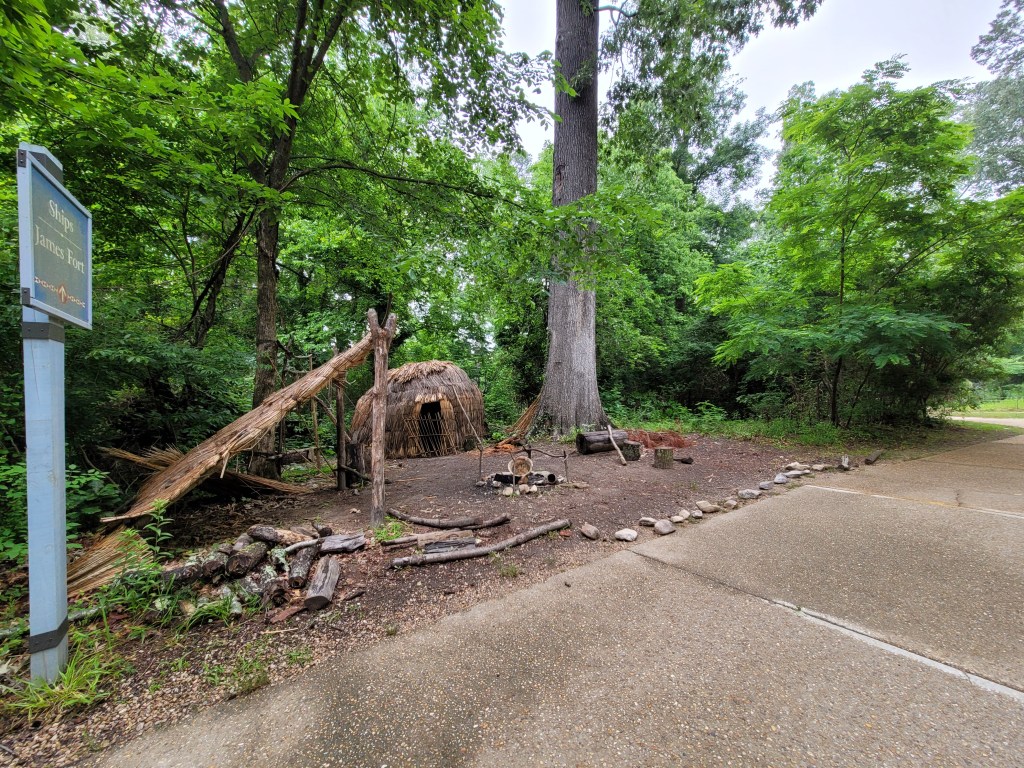
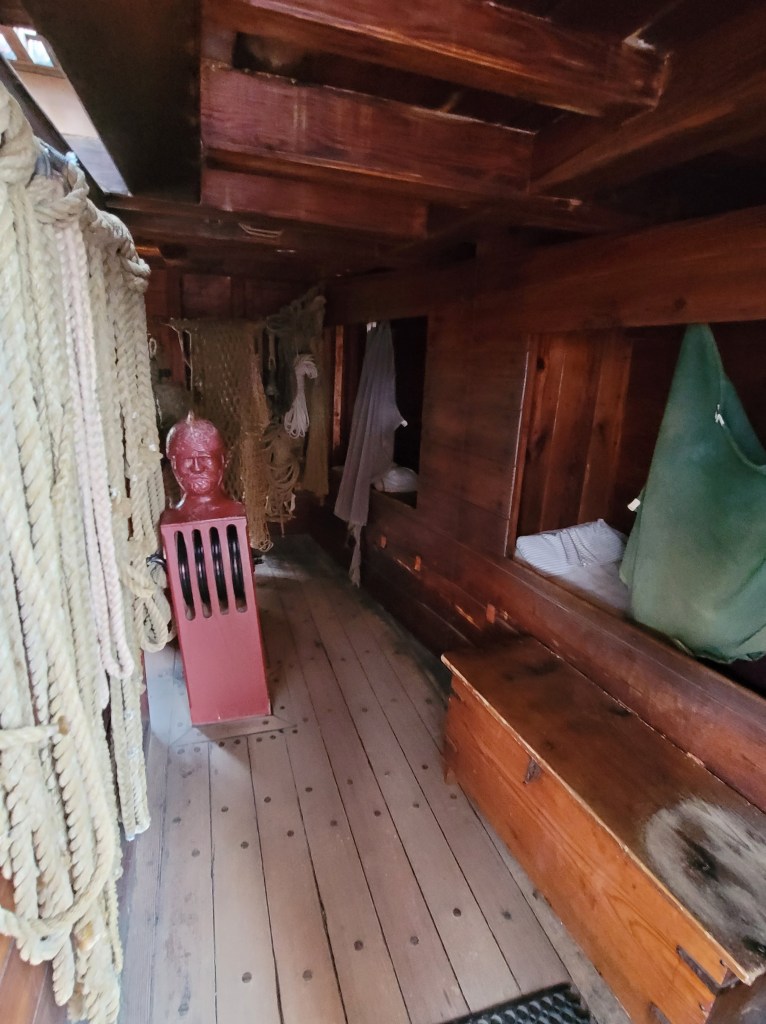


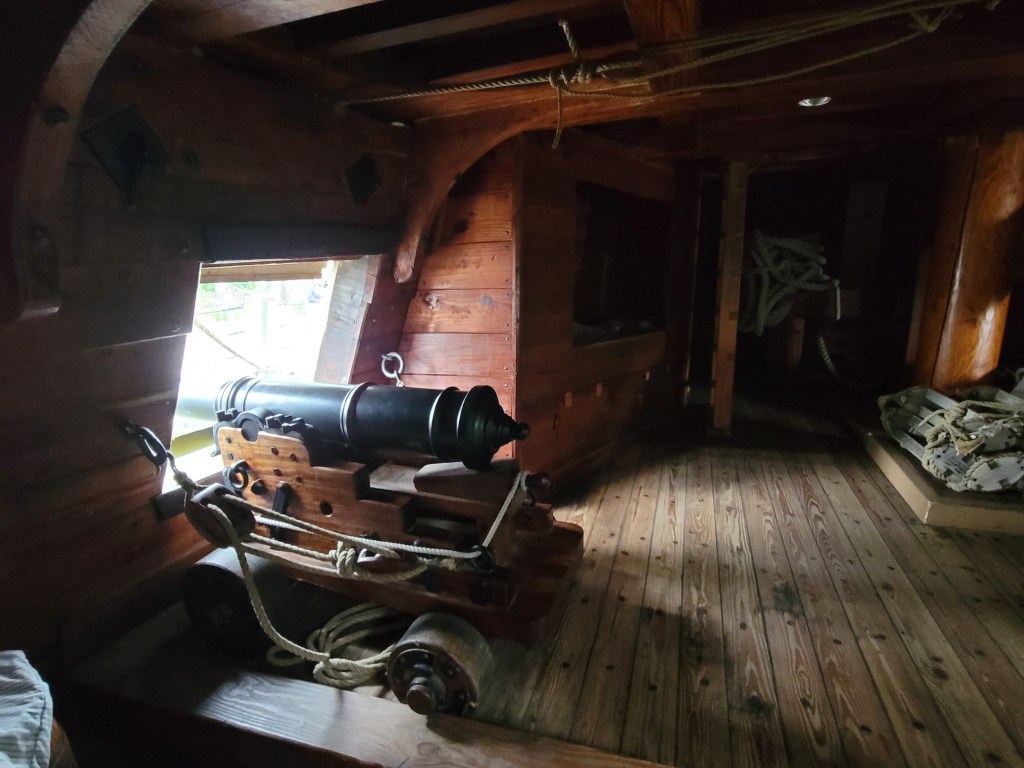
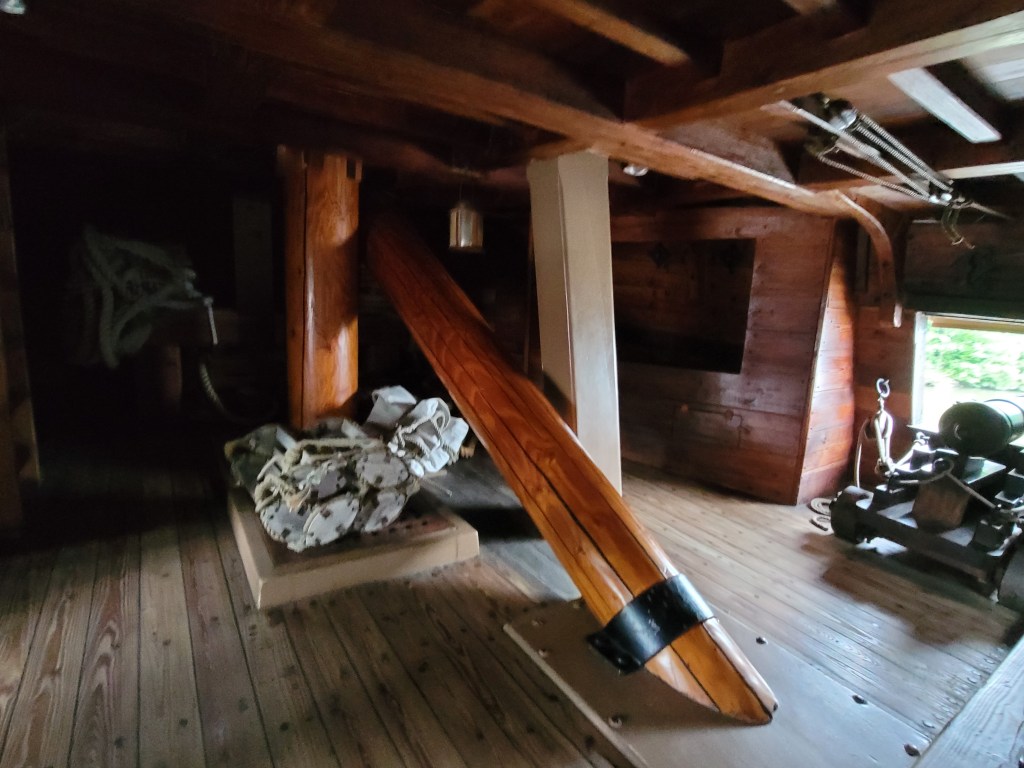
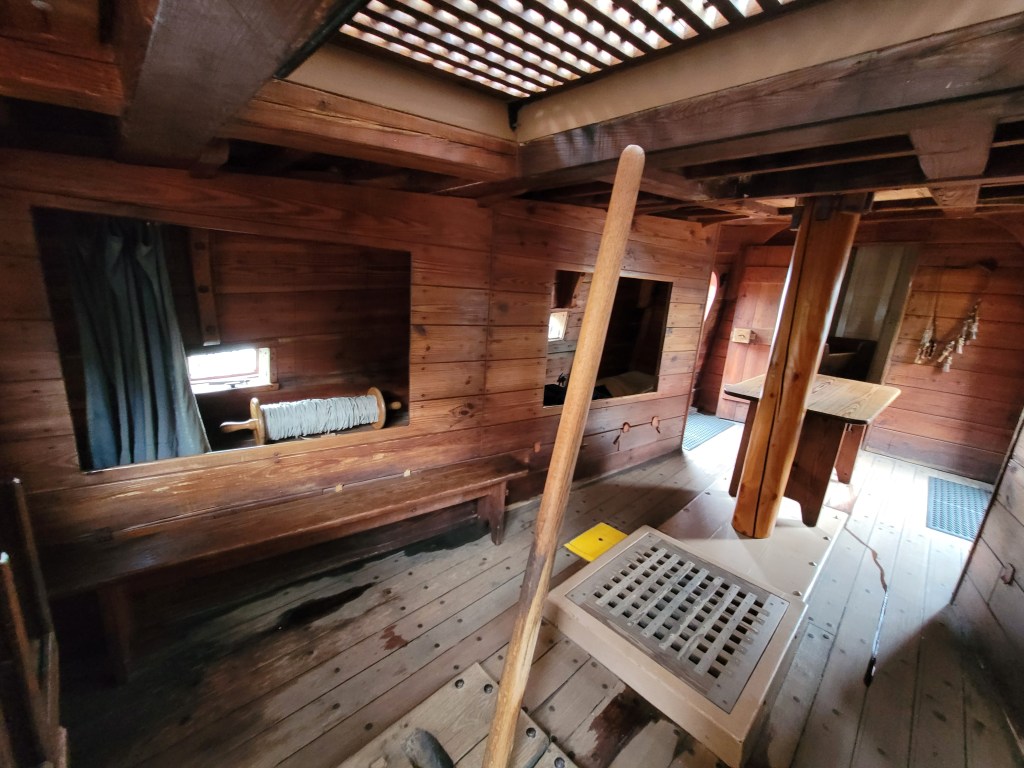


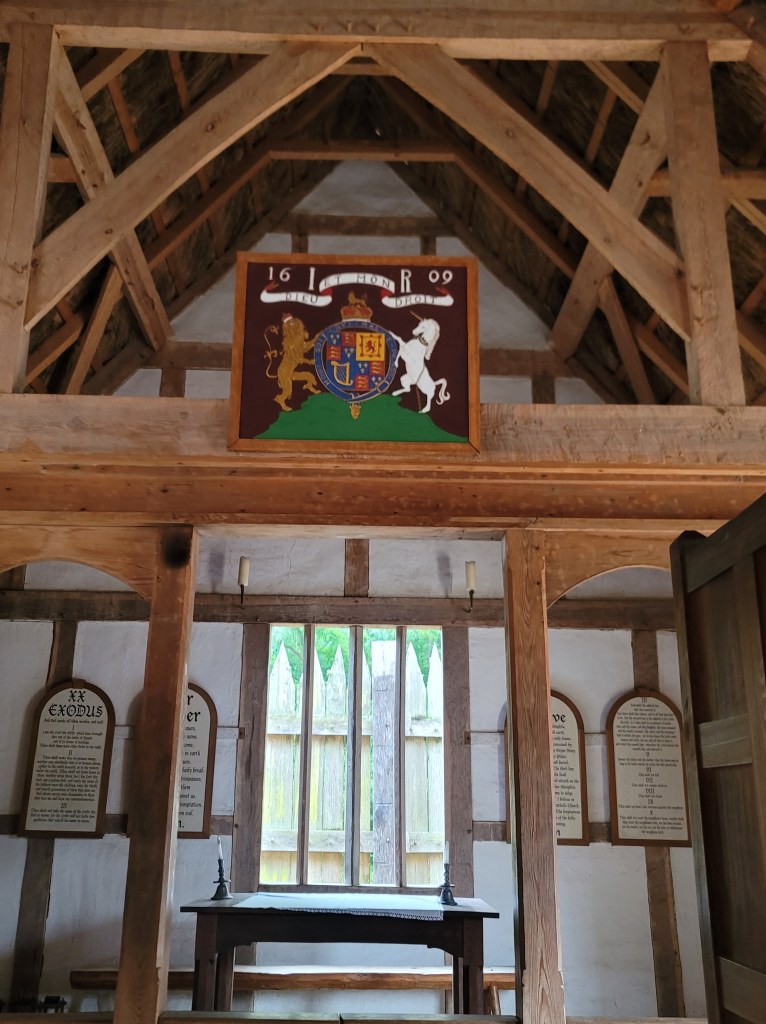



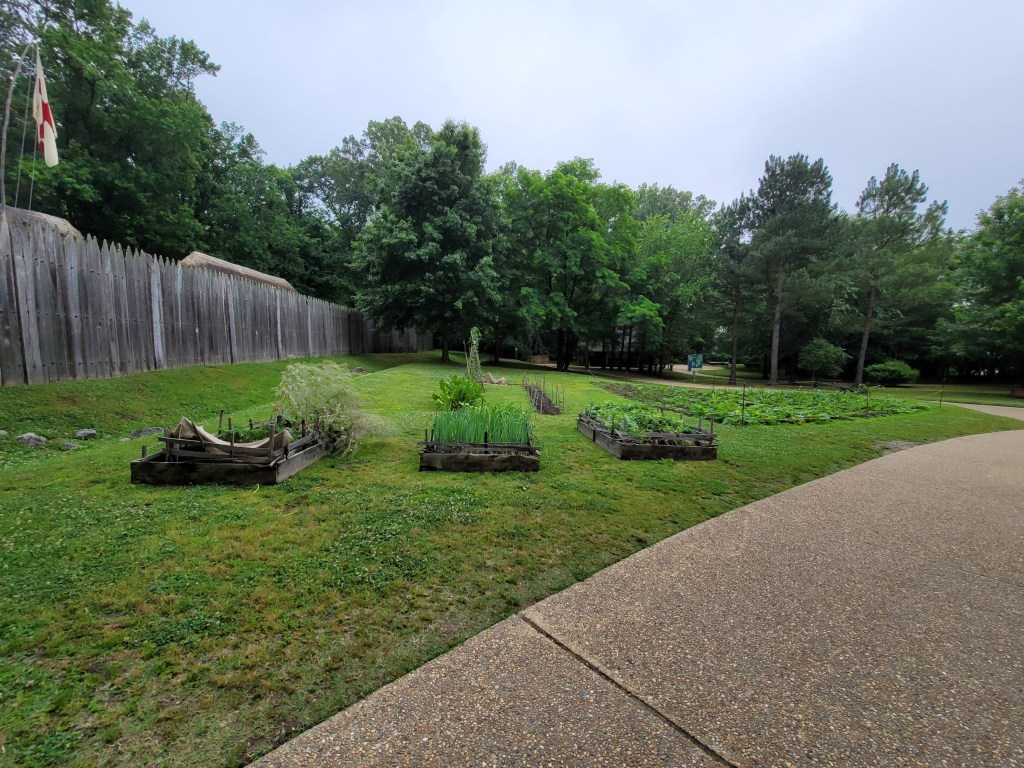

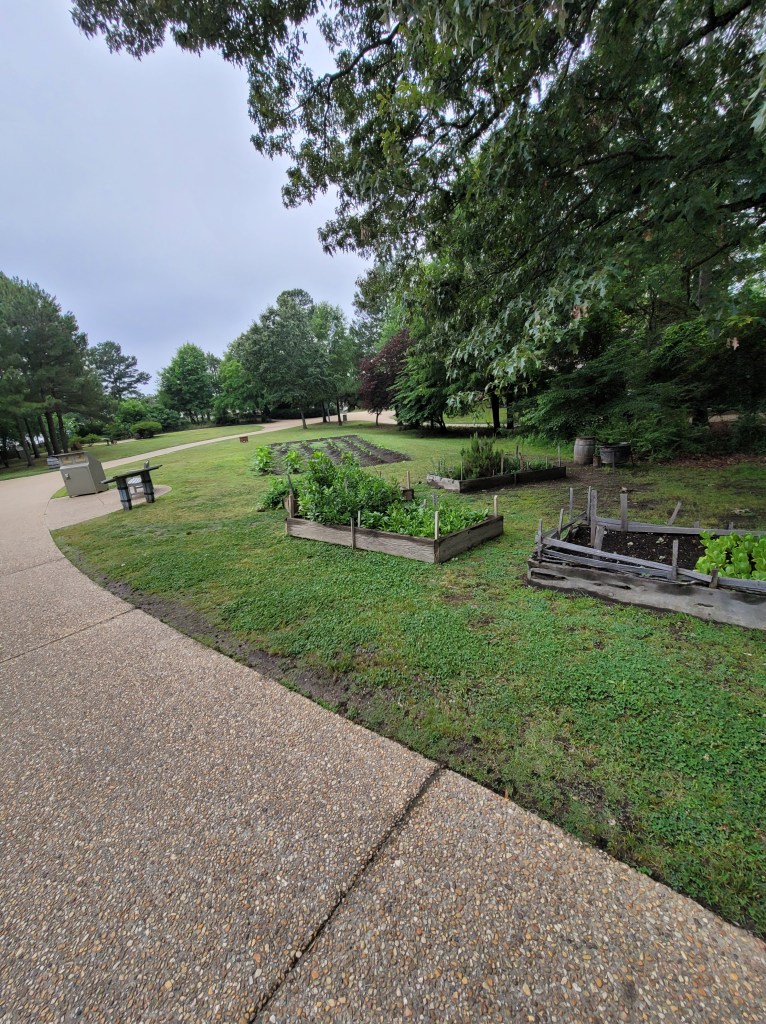
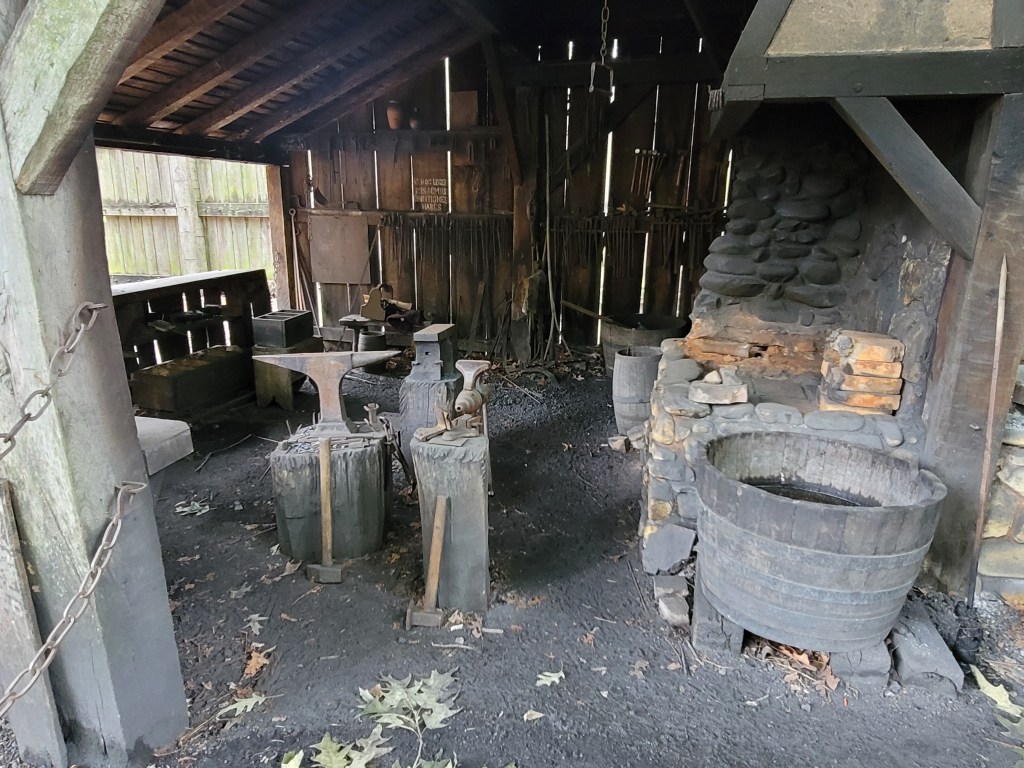
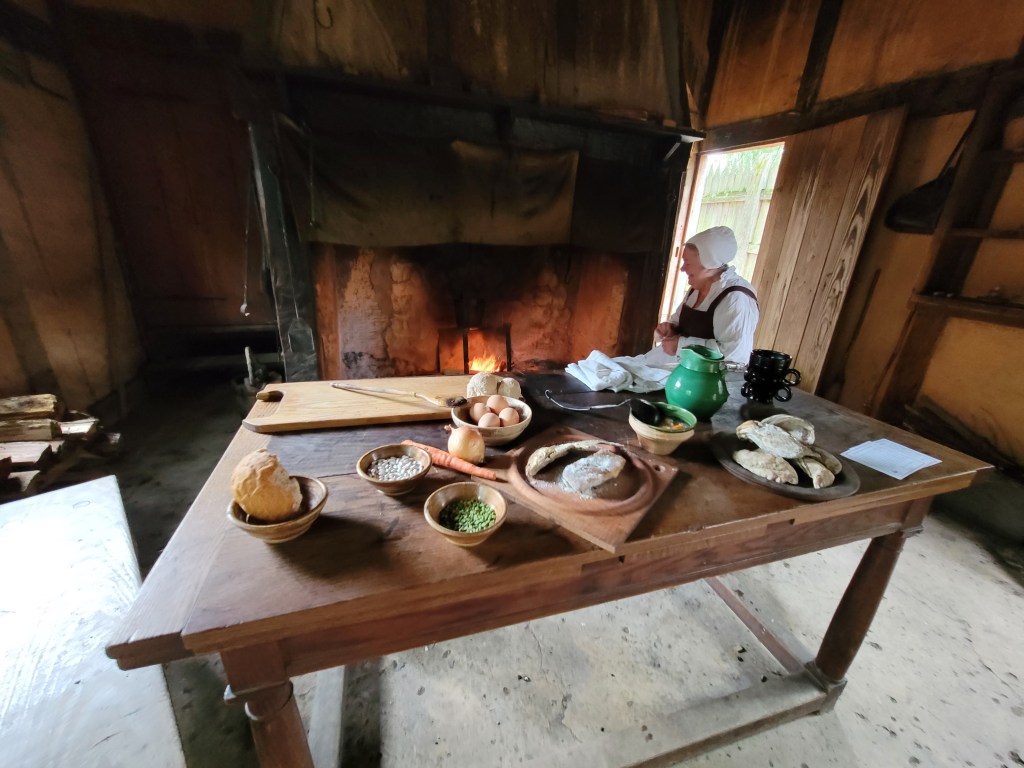


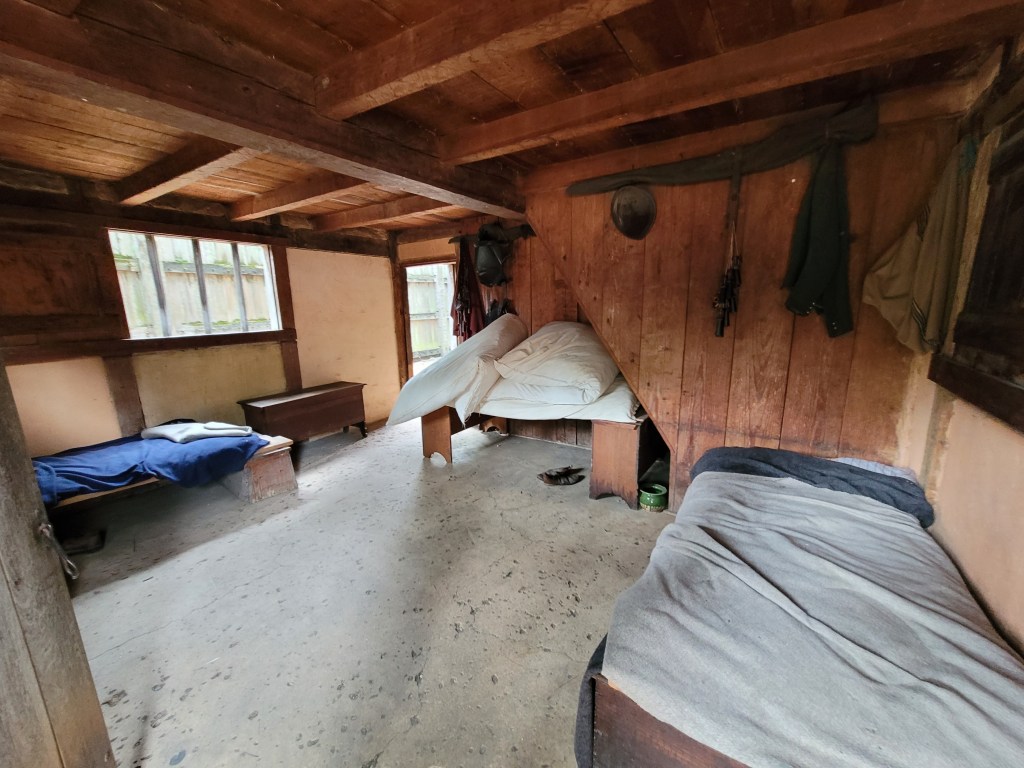
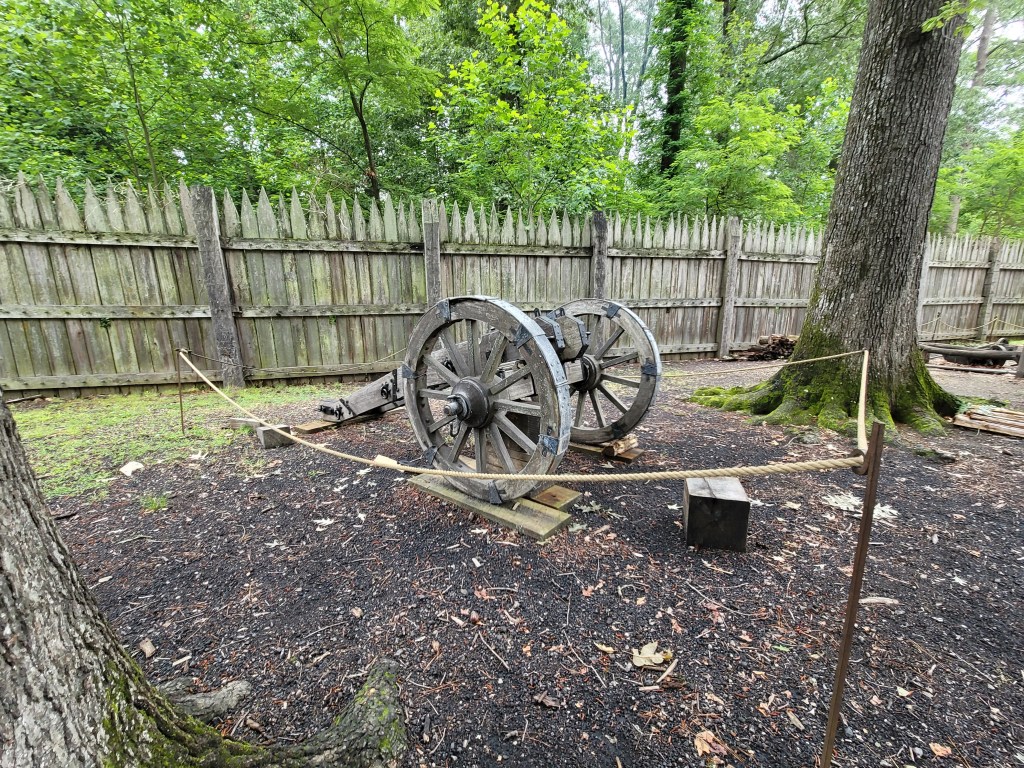
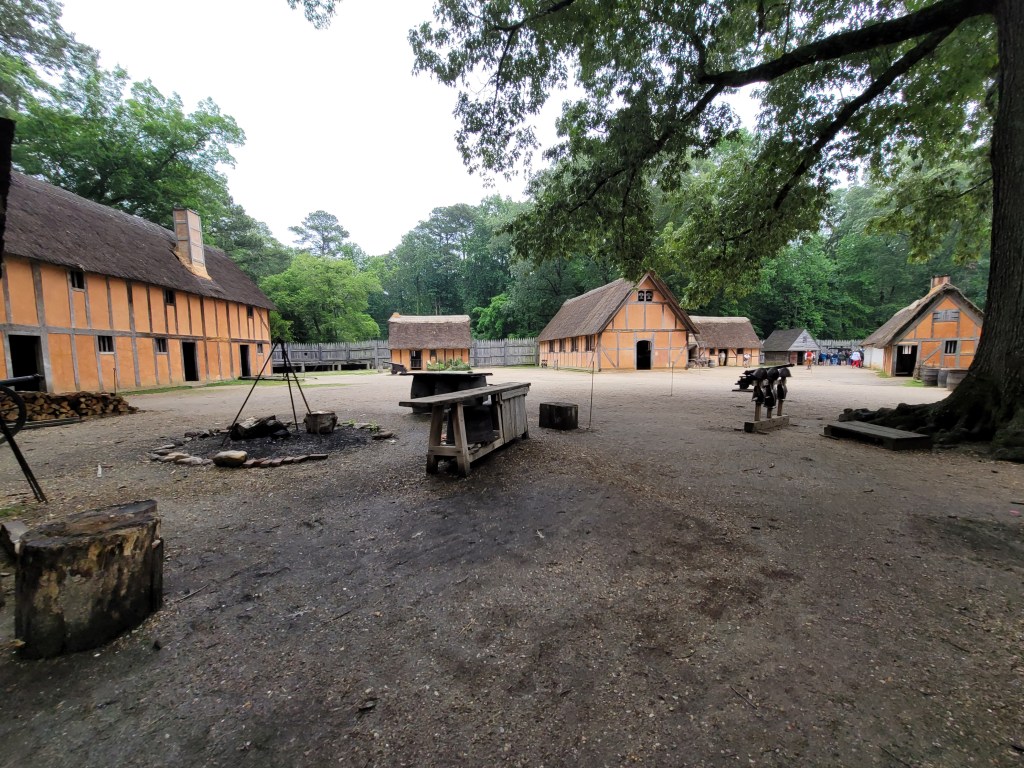
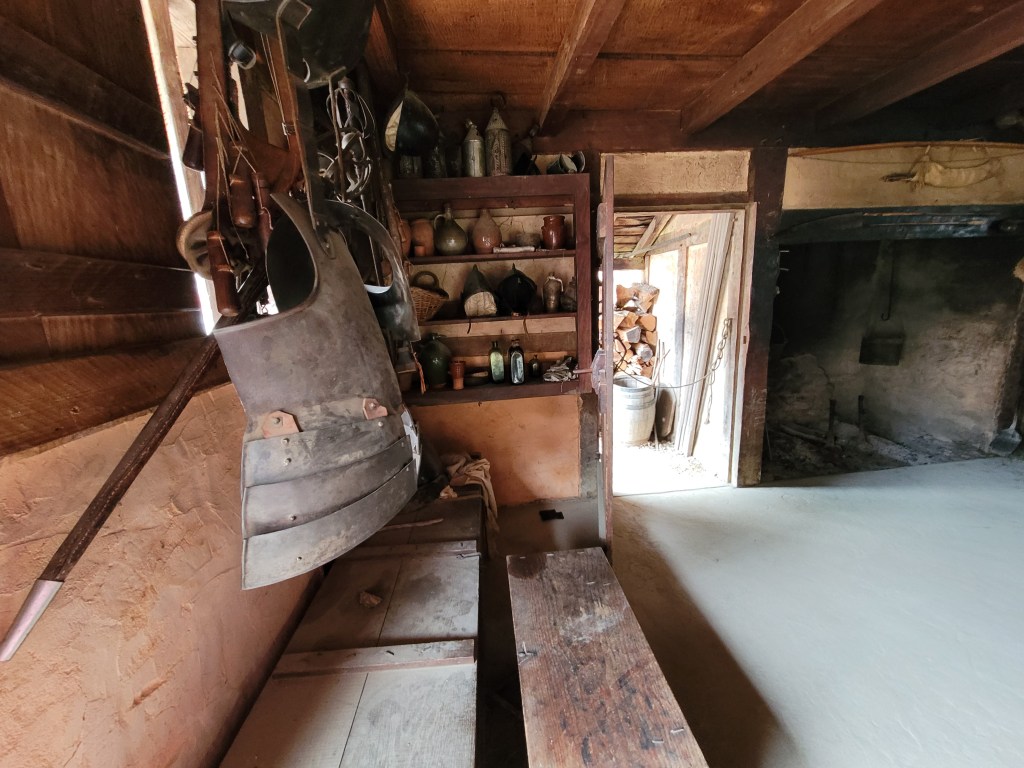


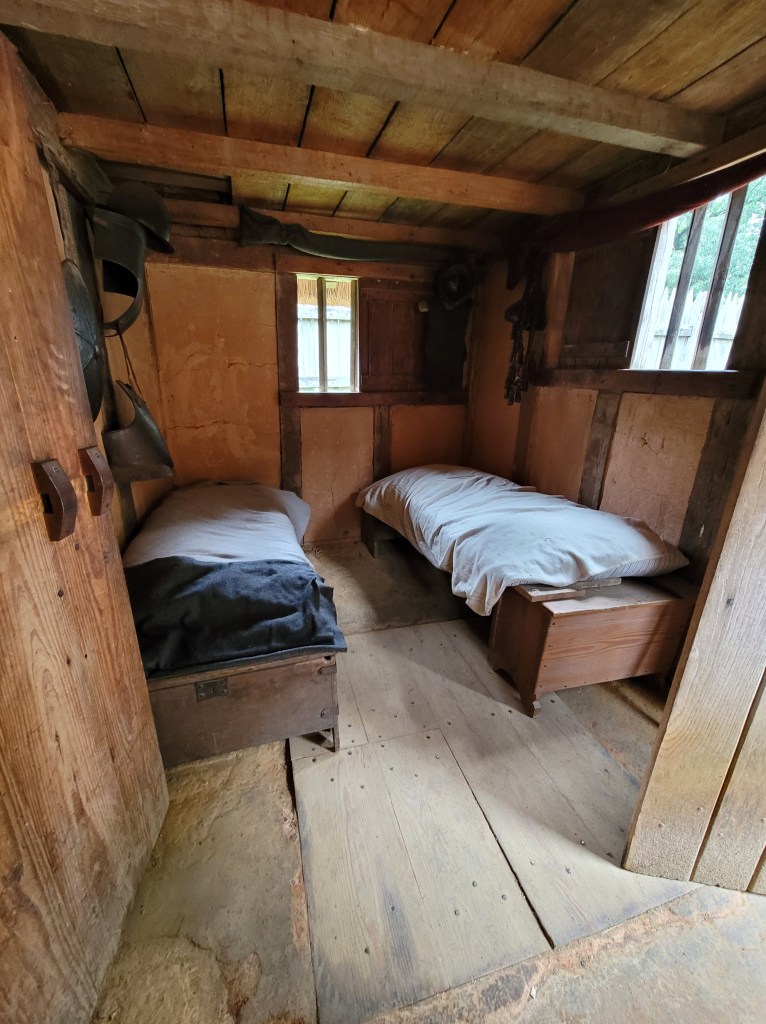
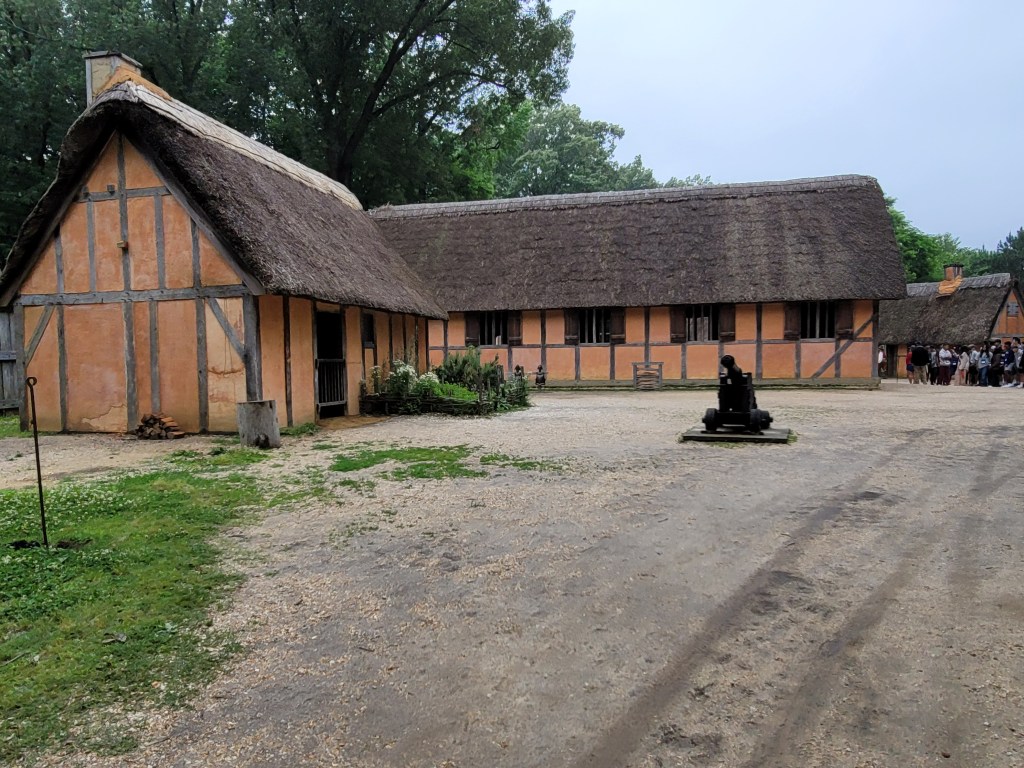
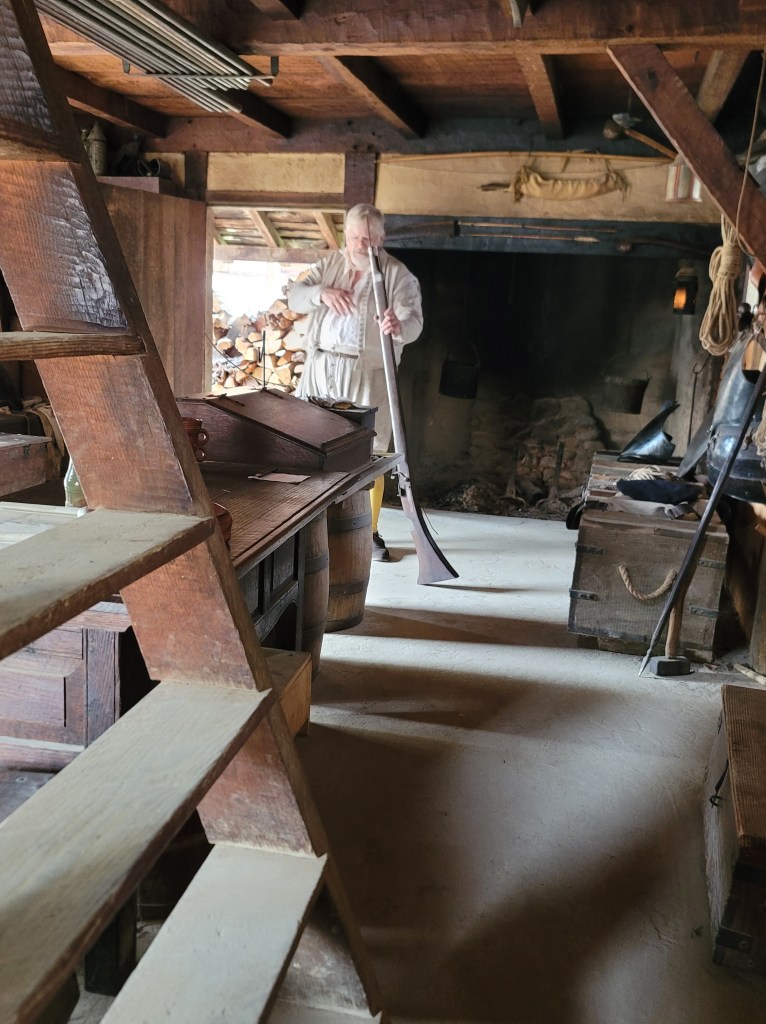
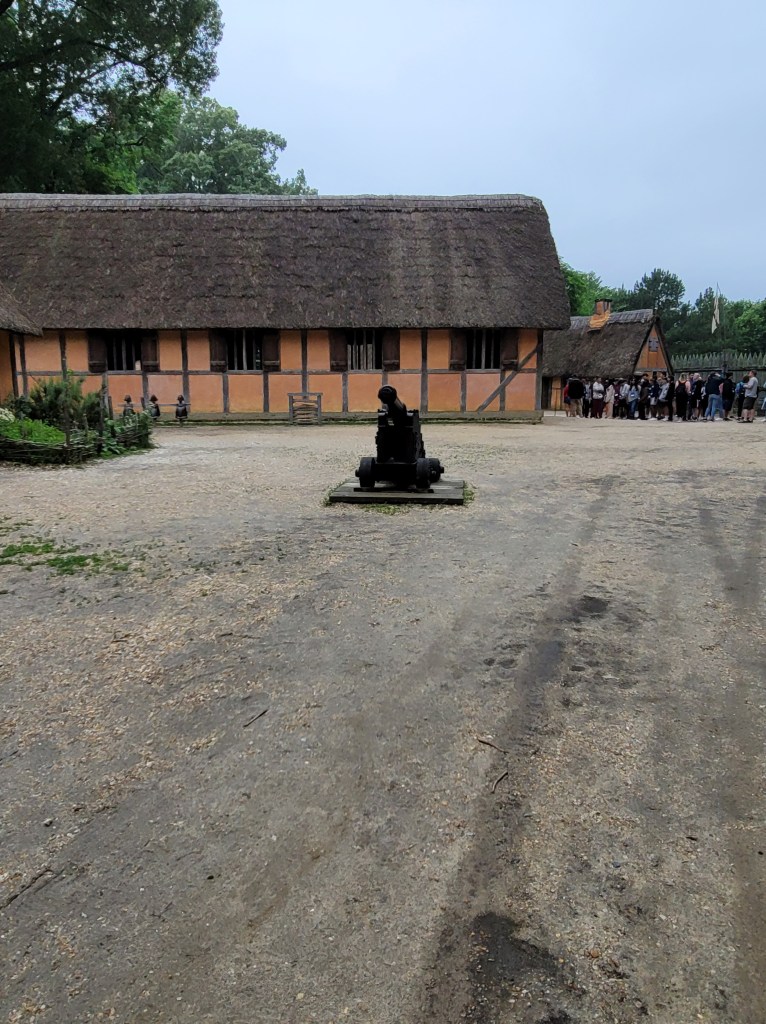


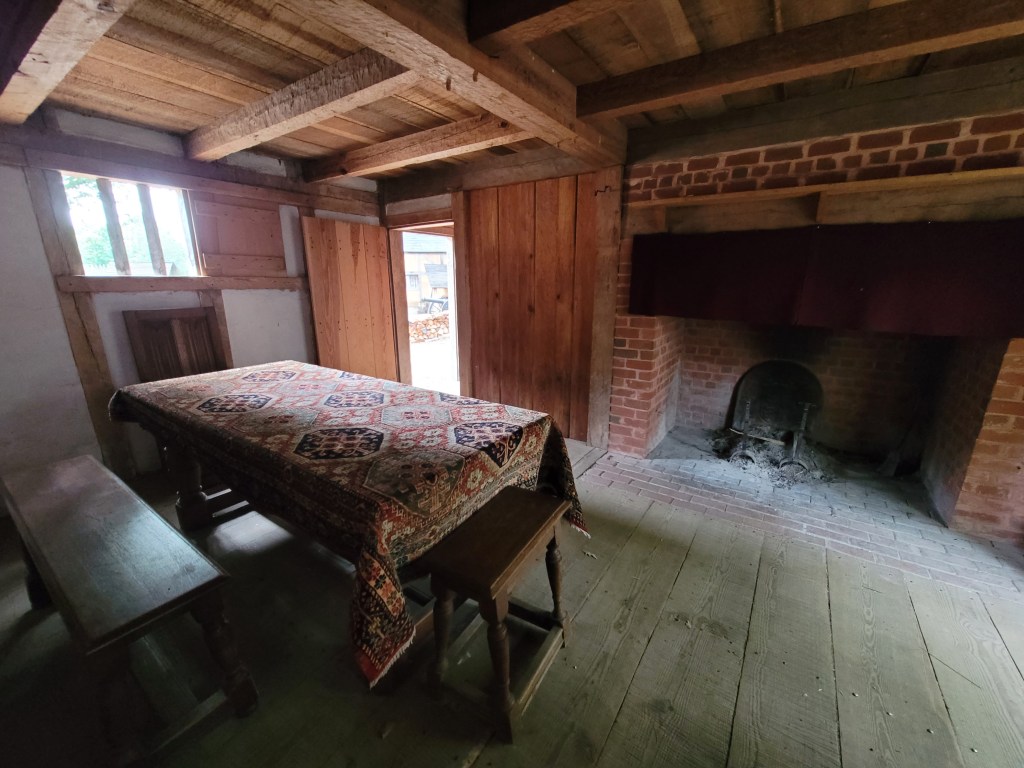
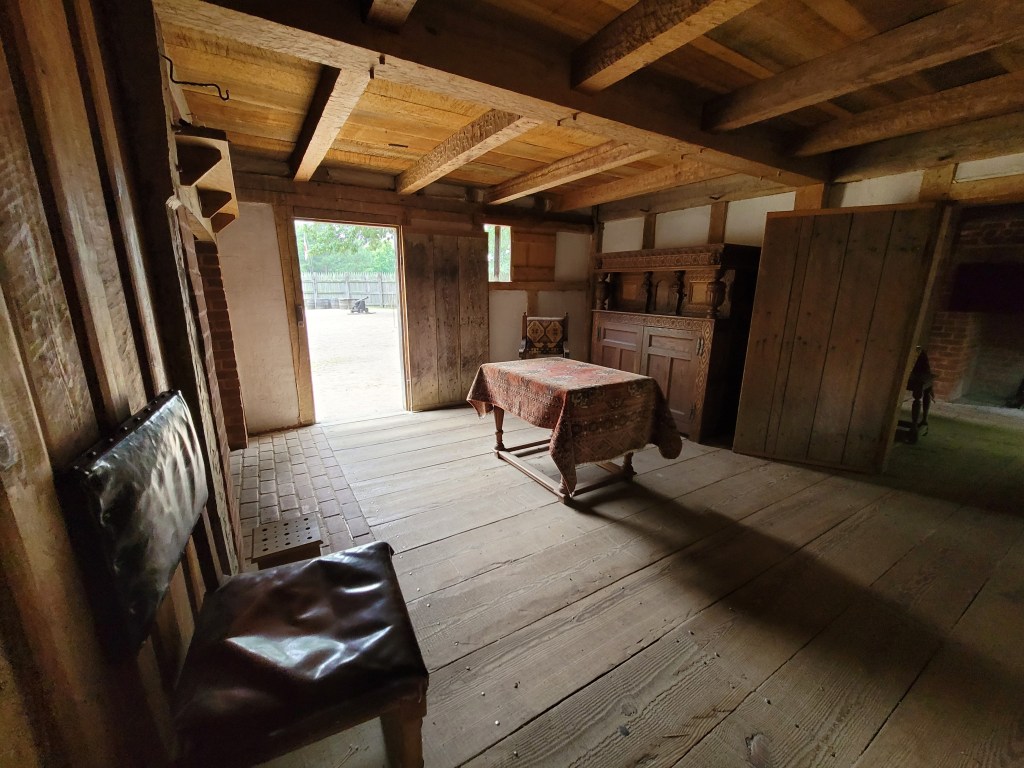
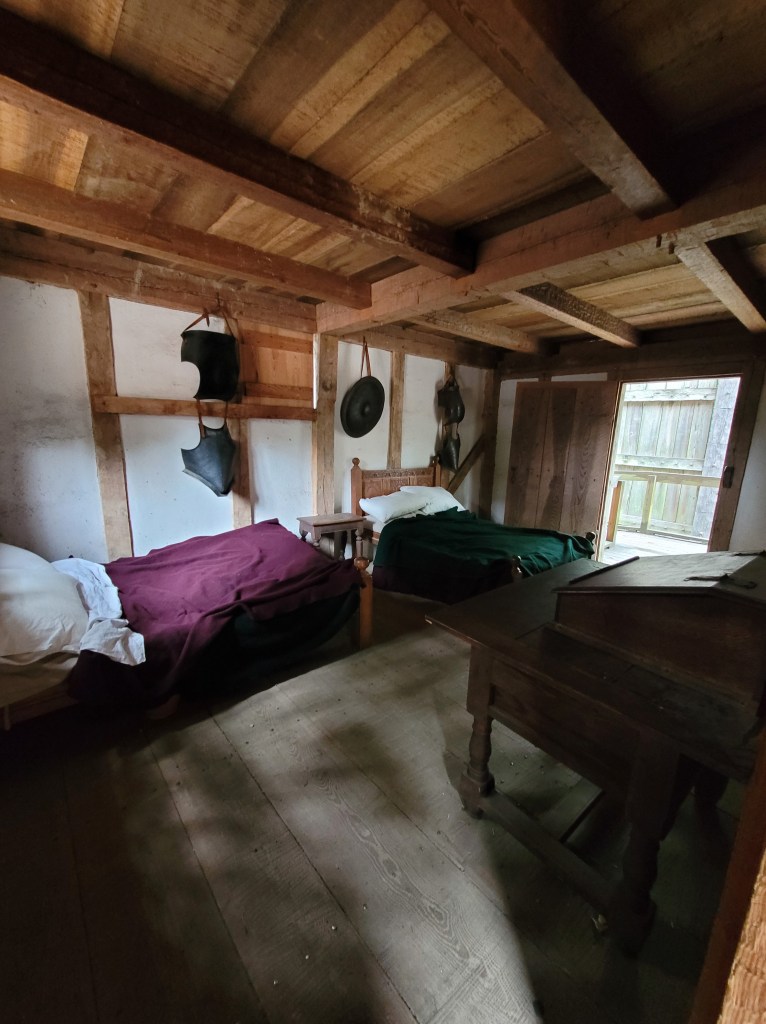

Historic Jamestowne
Historic Jamestowne is the actual town in which settlement occurred. This was probably the best visit to date. Although much of the history is torn down, broken down, etc., archeologists were there digging and finding new artifacts. We were able to walk through original graves, original churches, homes, etc. It felt very surreal walking the same grounds as those from history books knowing the struggles they had during that period.
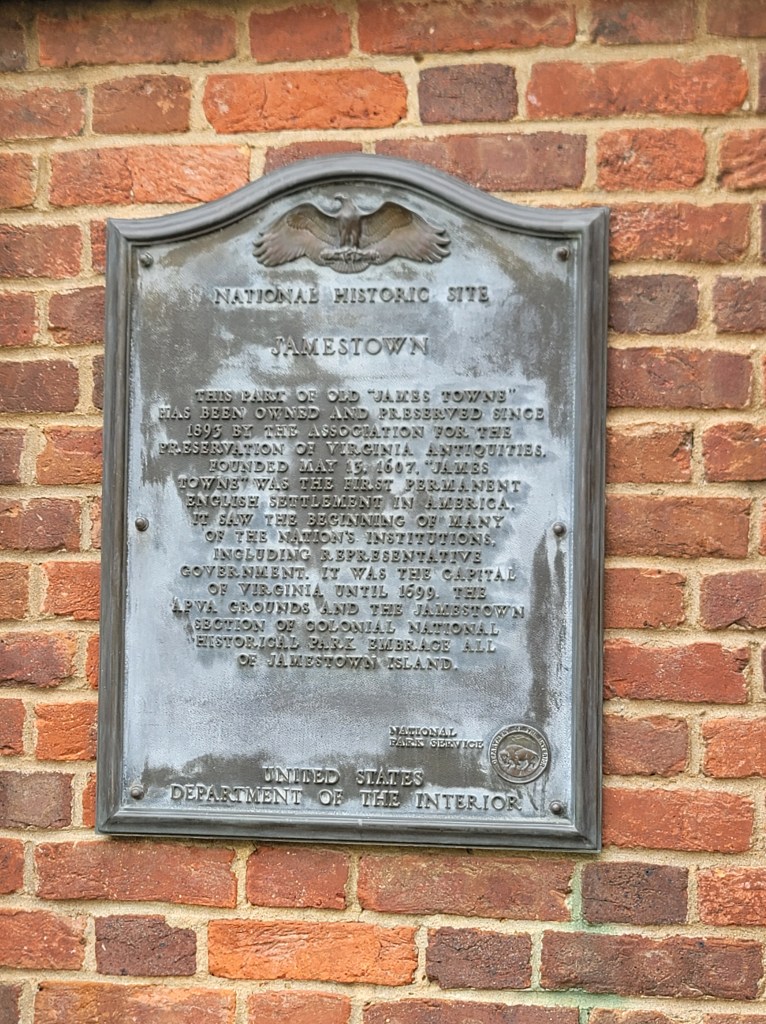
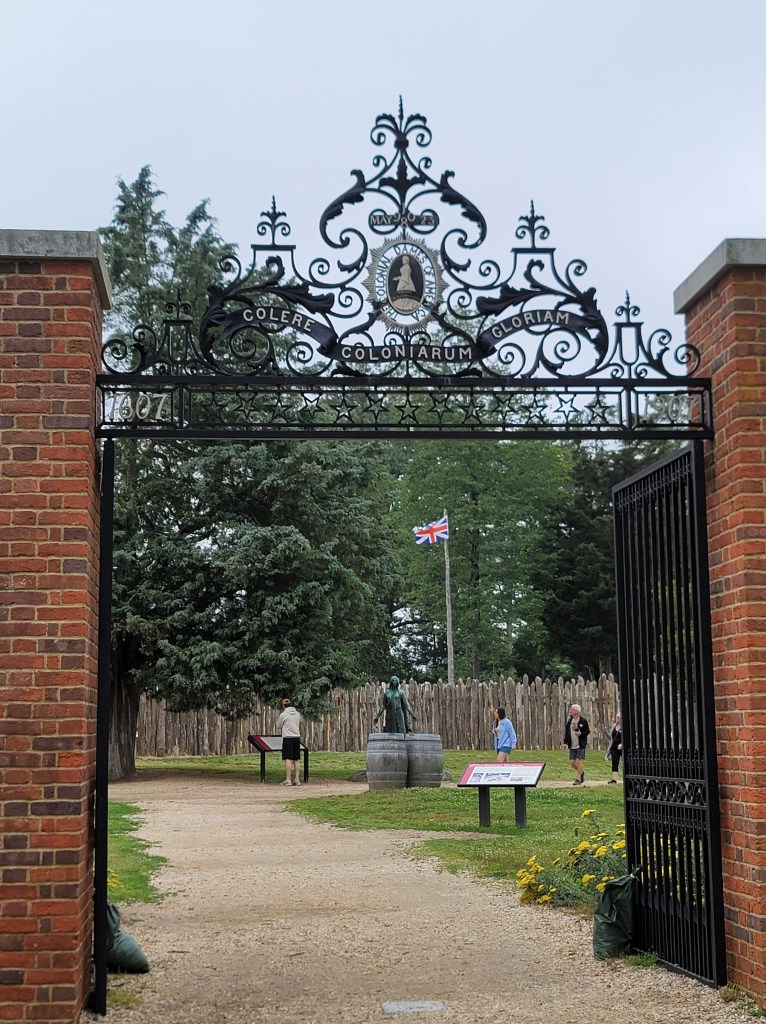
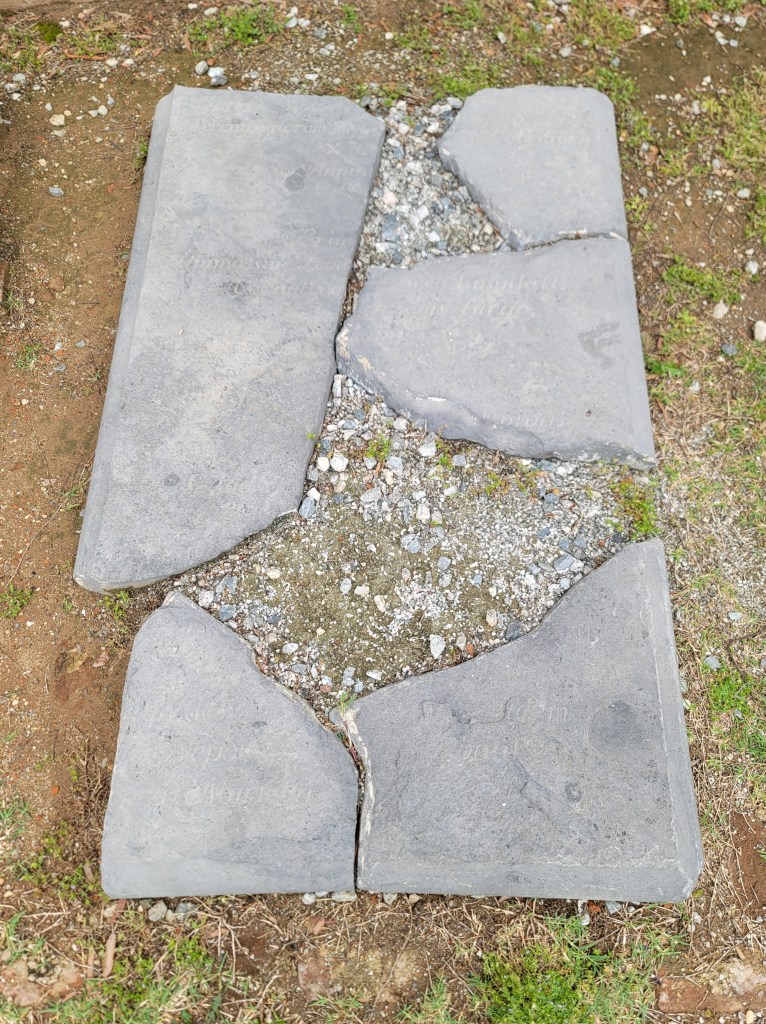
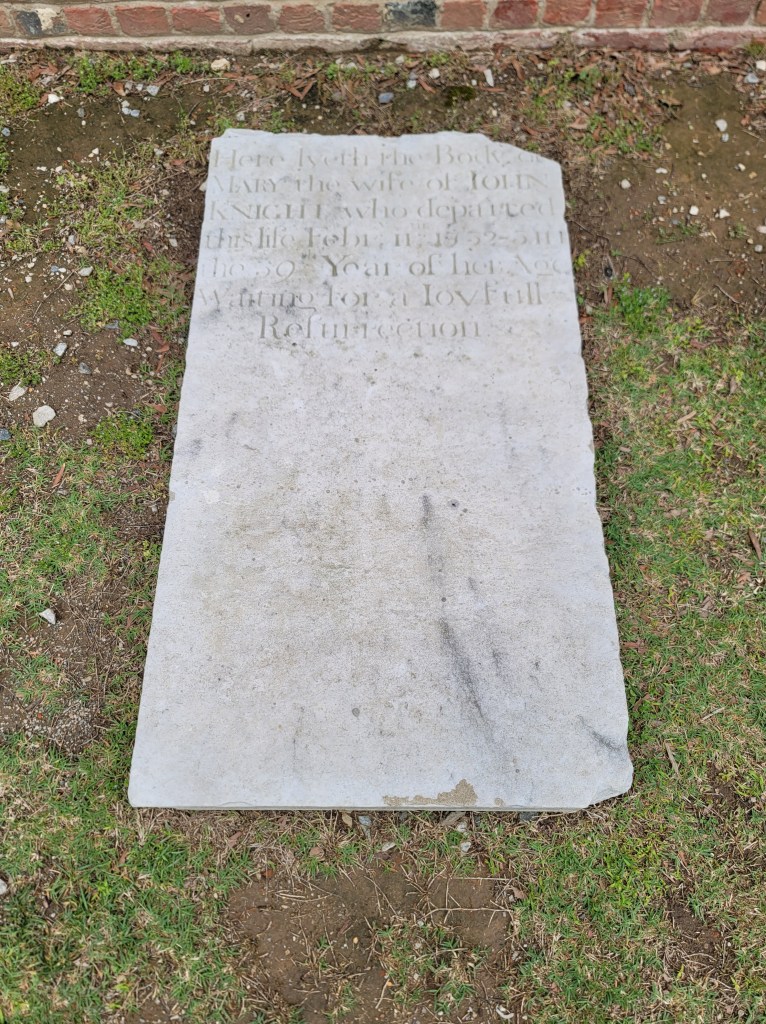

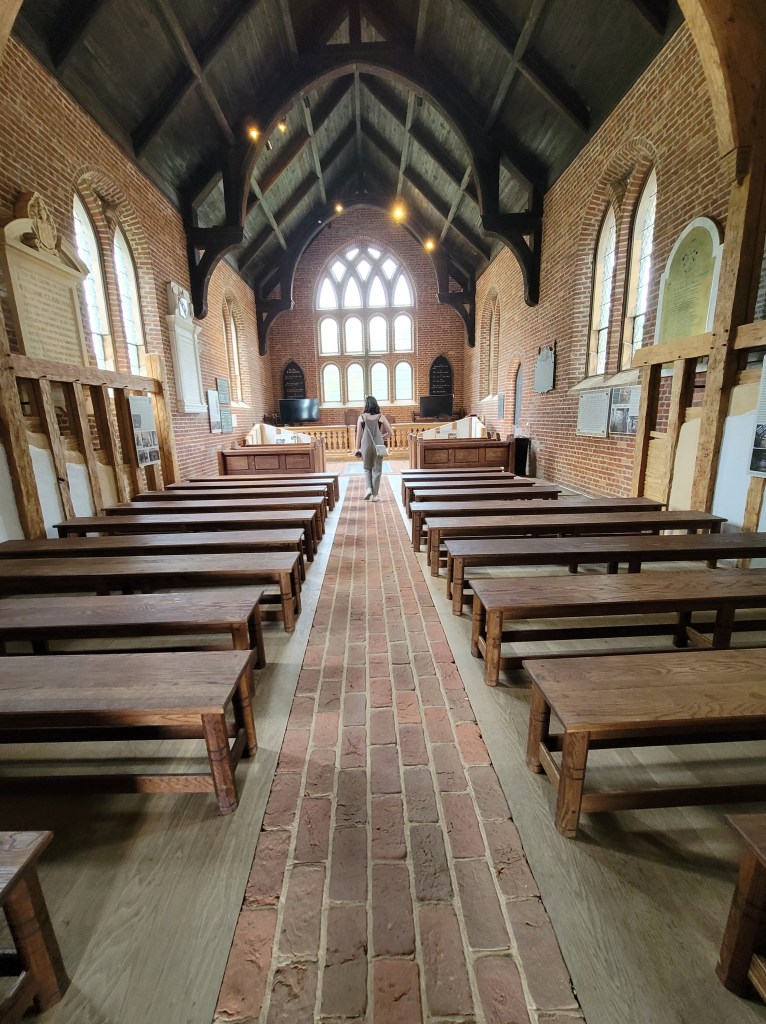
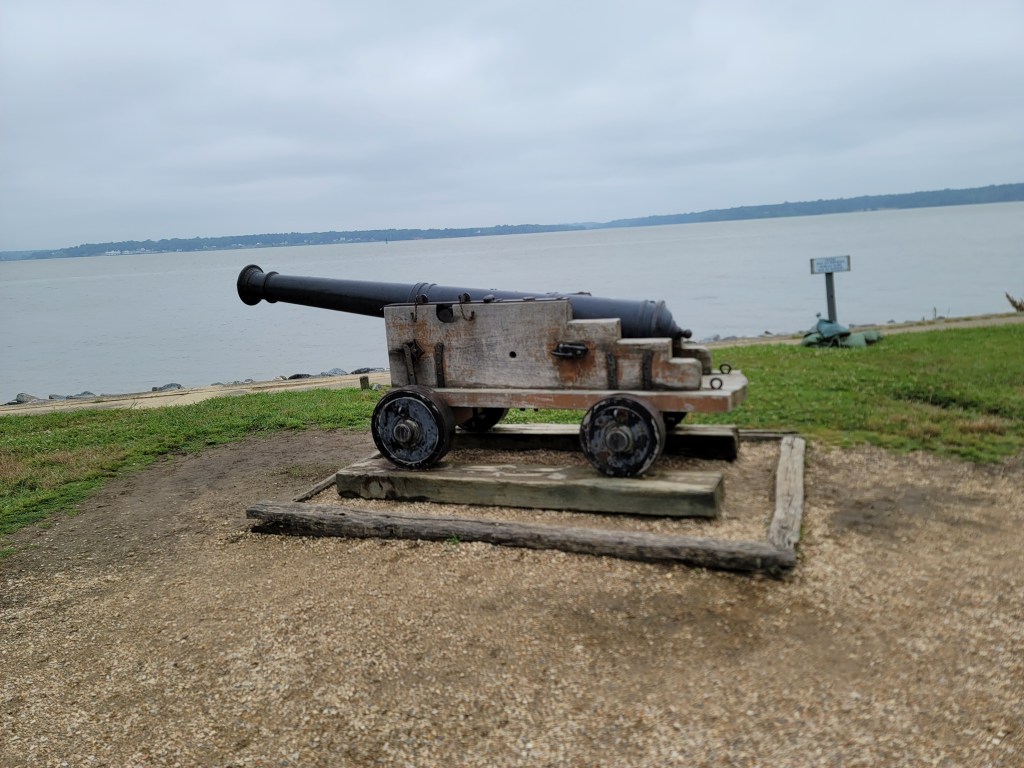
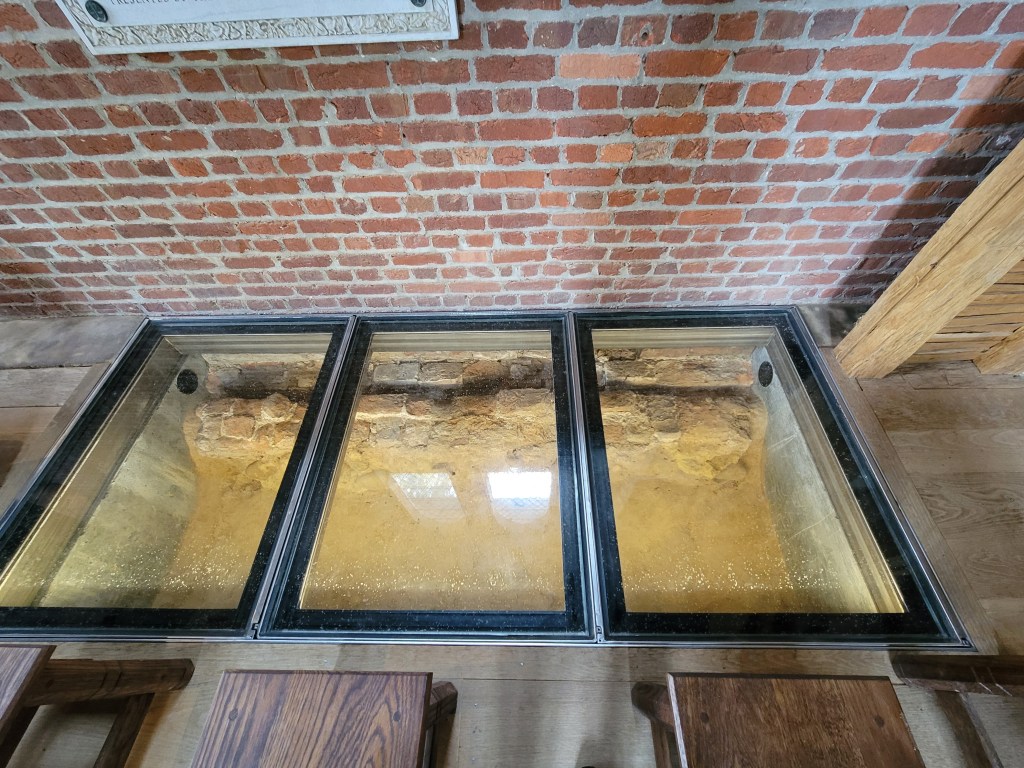
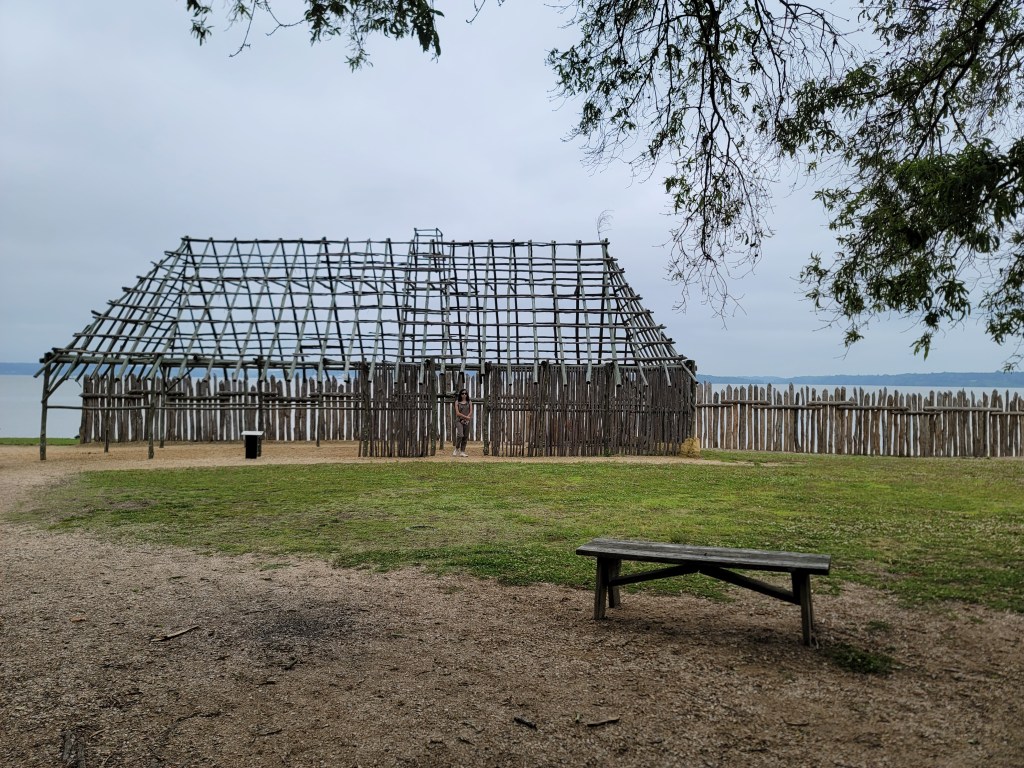


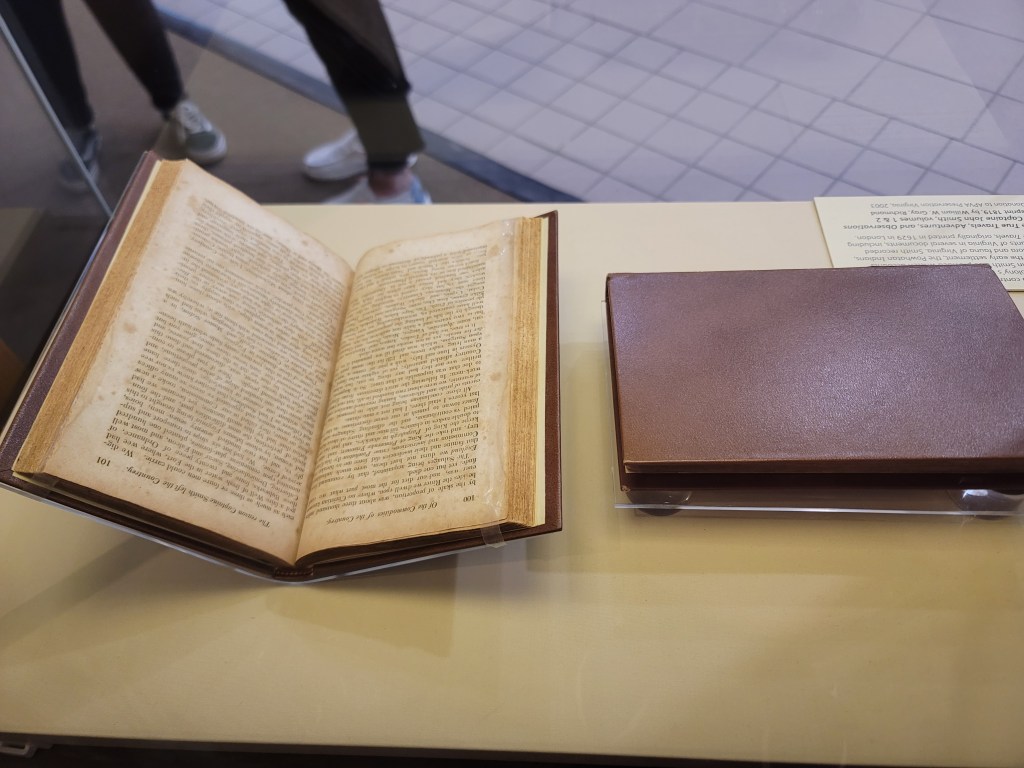
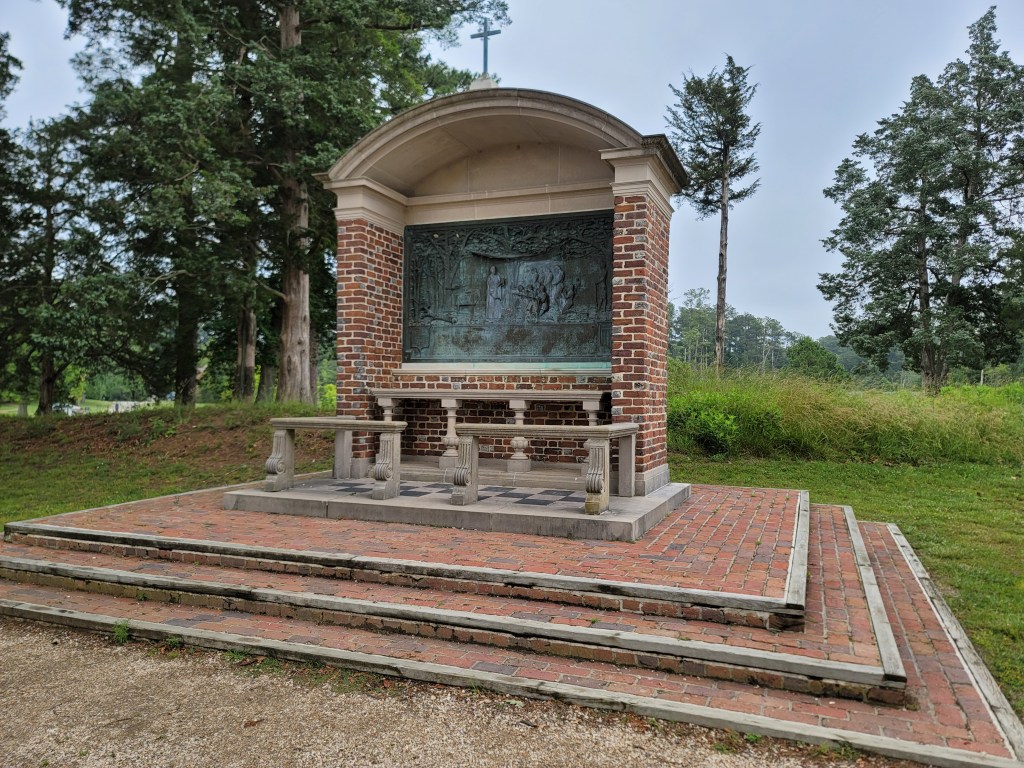
Colonial Williamsburg
Colonial Williamsburg was probably one of the sites I was most excited about seeing, but it ended up being the most disappointing part of my visit. It was so disappointing that I left after just a couple sites. I do not recommend this site at all, which is why I do not recommend the big expensive site pass.
When I visit places like this, I expect to see history. When I arrived, they stated this was a real town built around a historical town. They supposedly had a ton of historical elements within the town. As I walked around though, almost nothing was historical. What was historical was replicated and not original. It was a bunch of people playing dress up while regurgitating information we learned in history class. I wanted to see artifacts. I wanted to see historical markers. Instead, I saw modern cars driving through town, hotels, and other modern things that took away from the love of history.
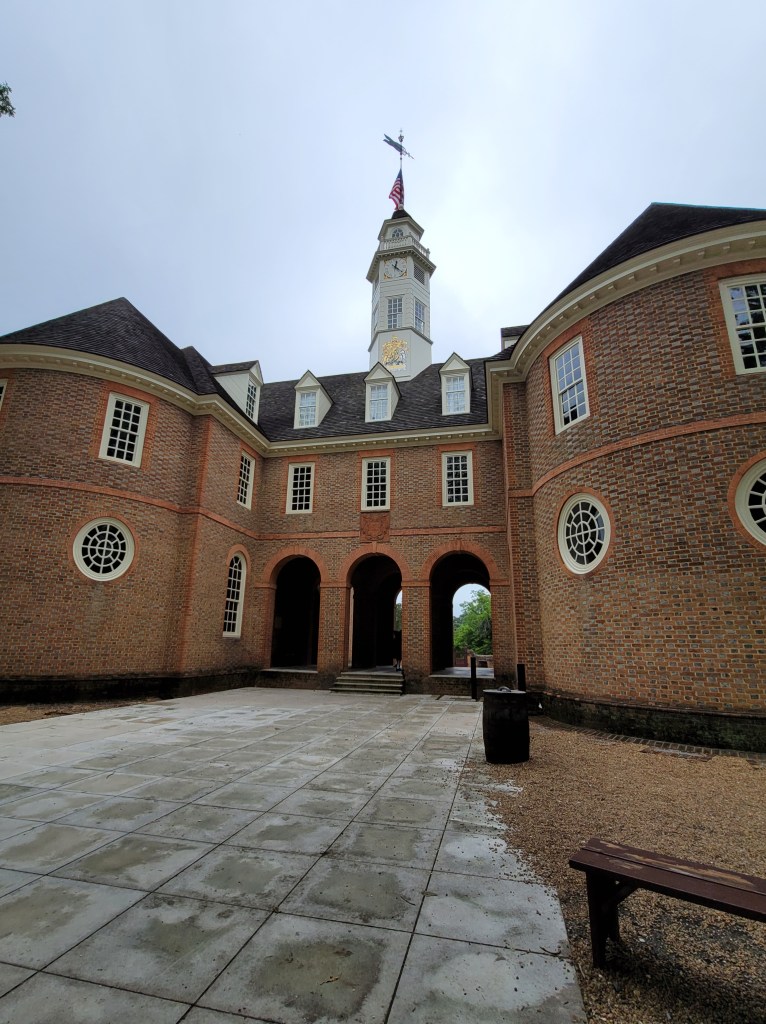
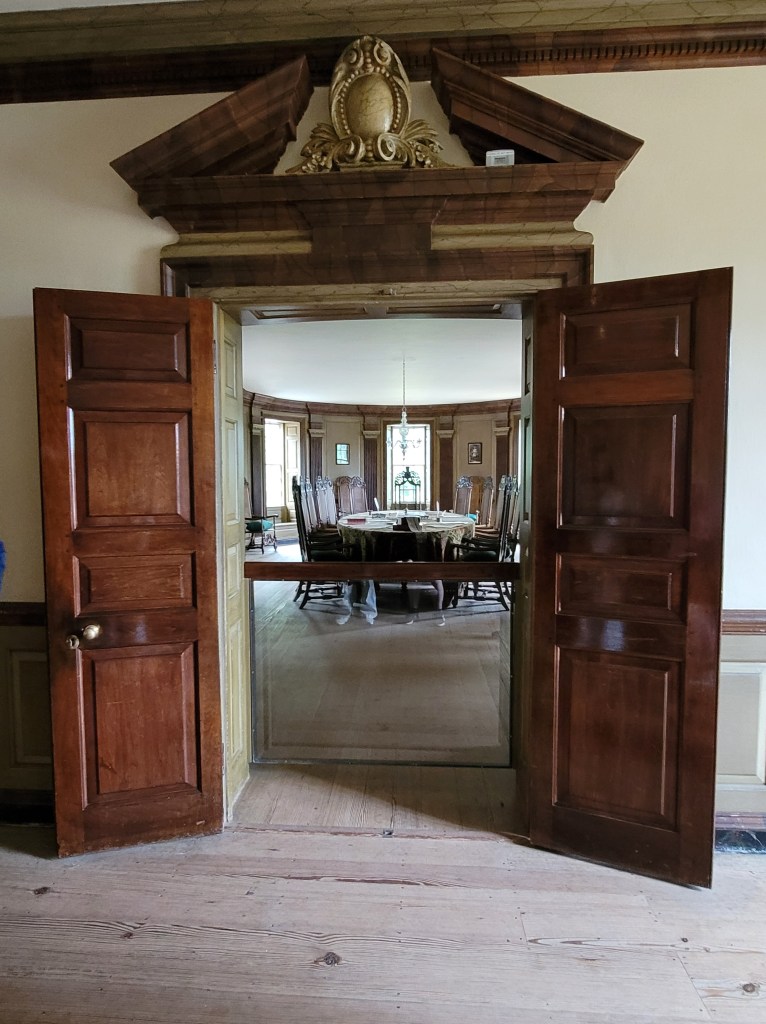

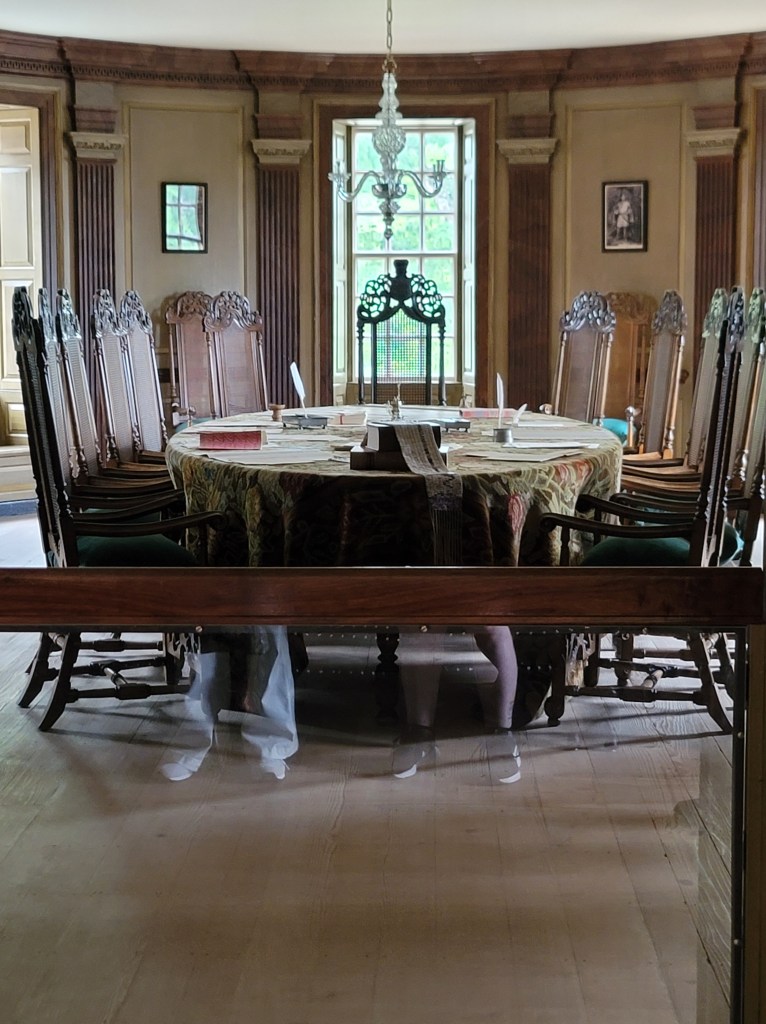
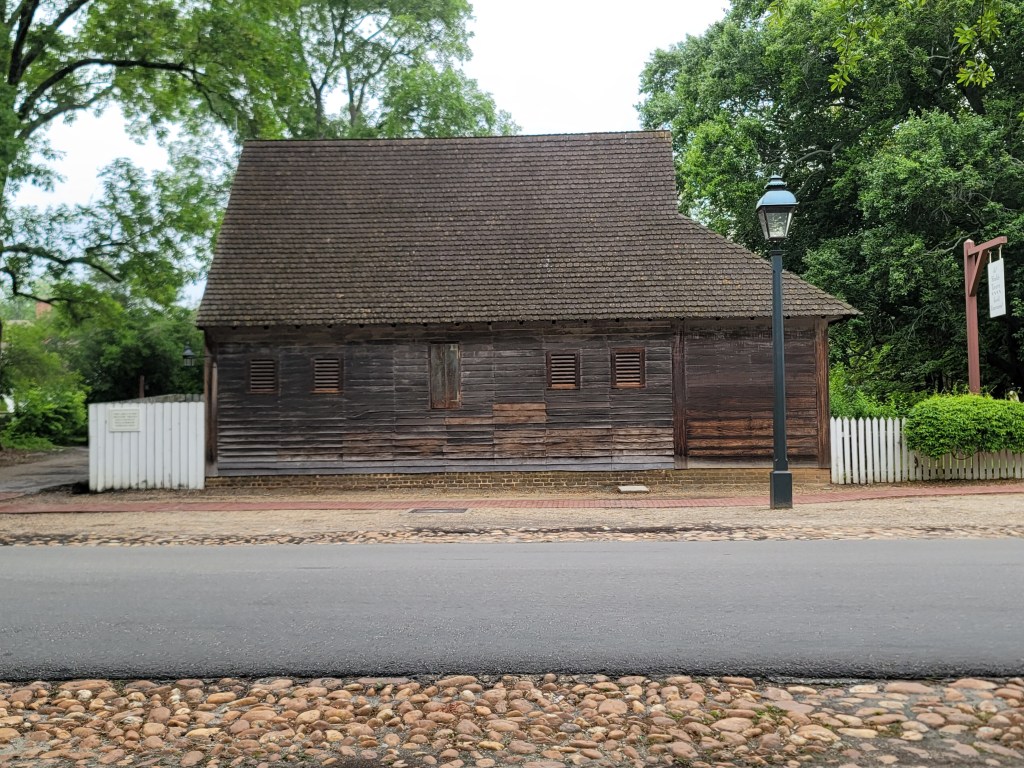
Overall, it was a nice visit, but I wouldn’t say Washington, D.C. was my favorite visit. Follow up for another posting for some reviews or tips if you plan to visit!
Journey to Washington, D.C. – Day 3 (City Center – Supreme Court, Capitol Building, Smithsonian, Holocaust Museum, and Library of Congress)
I knew this was going to be my last day in the city. I had one more long trip I wanted to take before I left the area, so I had to make sure I made the most of my time in D.C. today. Yesterday was completely exhausting, but I was going to make use of every moment and opportunity.
Supreme Court
My first stop was to see the Supreme Court. Unfortunately, they were closed to the public the day I went (Memorial Day), but I was glad to have seen it in person. One of my dreams growing up was to be a lawyer. I made the mistake of talking myself out of it. I regret it quite often, but I also believe everything happens for a reason. The Supreme Court always held a special place in my heart – not only because of my dreams, but also because of the things fought in that building and on those steps.

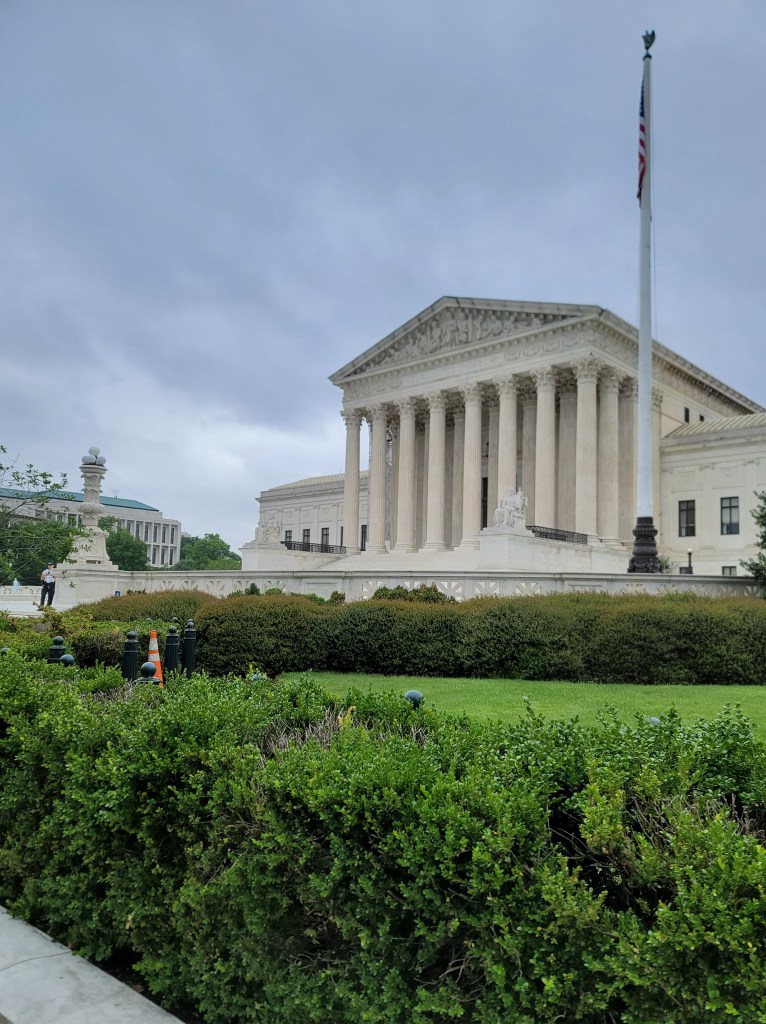
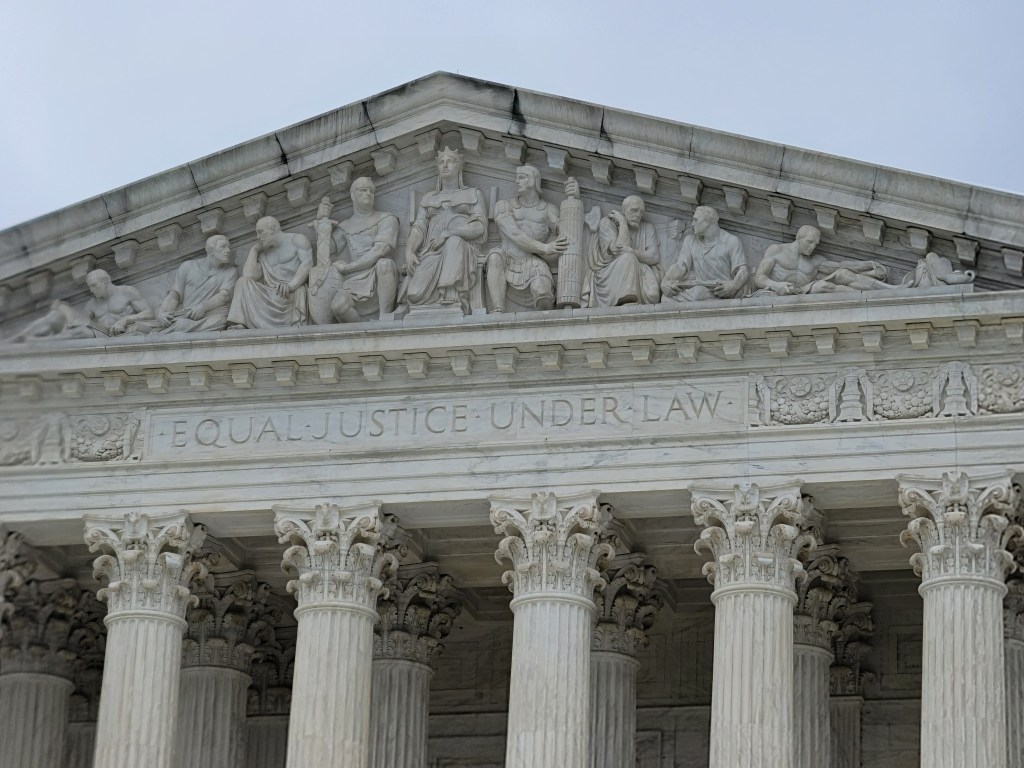
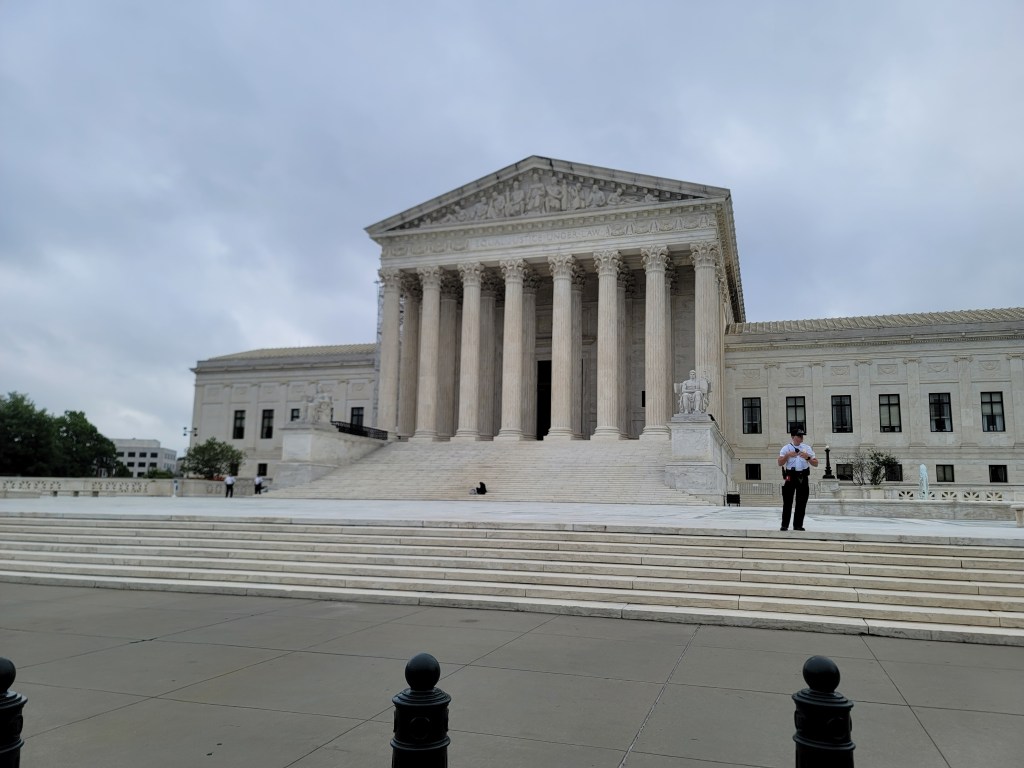
Capitol Building
With the help of Representative John Carter, I was able to schedule a tour of the Capitol Building. I didn’t realize how big the building was until I arrived there. I stood there in awe thinking about how this was built way back, burned down, and built again with minimum tools. The details of the building respected past and present history.
One of the coolest facts I learned while here is that they built a Tomb for George Washington at the very bottom of the capitol. In the center of the Capitol Building, there is a compass that indicates a straight shot to where his tomb would be. It is sectioned off on each floor to ensure no one disrupts or disrespects the idea behind it. However, due to Washington’s Mount Vernon Tomb and the family’s wishes, they kept him at his home on Mount Vernon.
Another interesting piece of information I learned had to deal with the rotunda. Around the rotunda, there is an art piece that is a timeline of American history. It dates back the Christopher Columbus to modern day Space Exploration. It was interesting to see how they tied all pieces of history together to show the growth of our country.
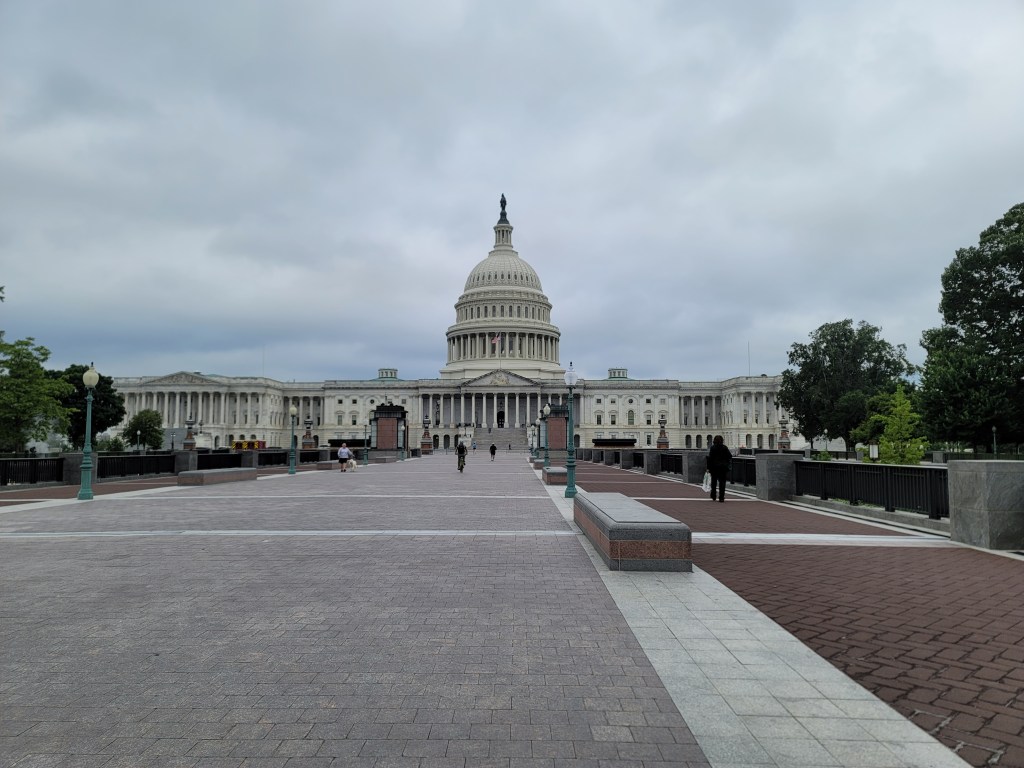
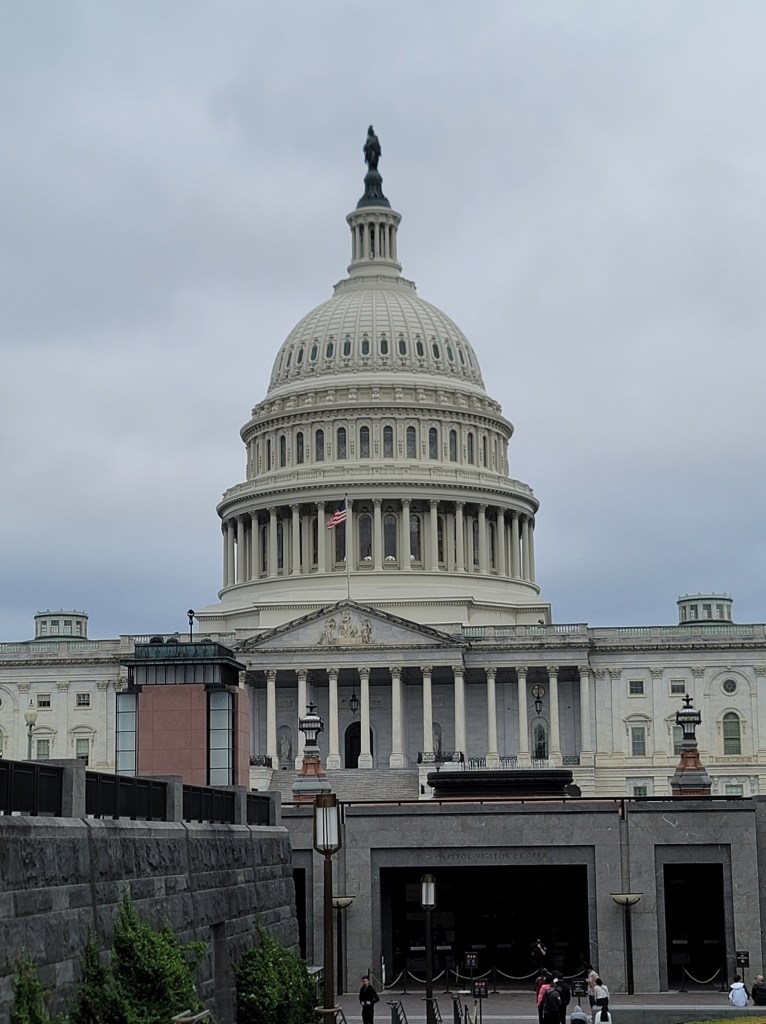
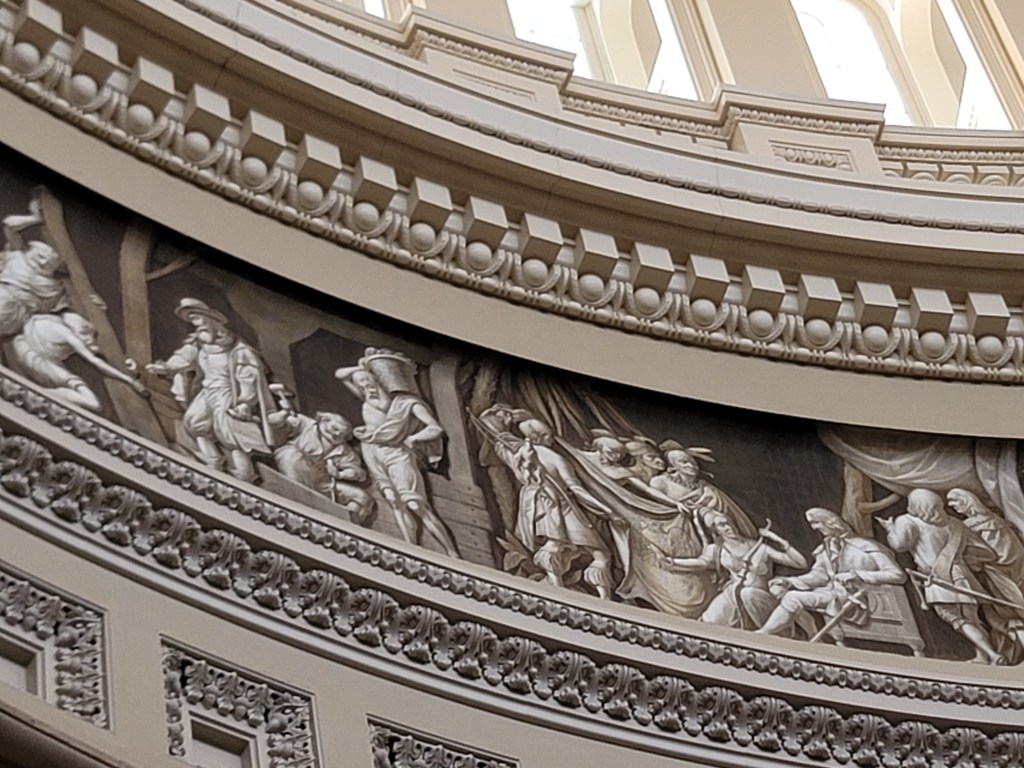



Smithsonian Museum of Natural History
I missed my chance at the Holocaust Museum, so I made my way to the Smithsonian Museum of Natural History. I’m not big on fossils, gems, minerals, etc., but I figured – why not?
The part I spent the most amount of time it was the jewels. There was such a beautiful display of jewels from all around the world, gifted to famous U.S. Diplomats.
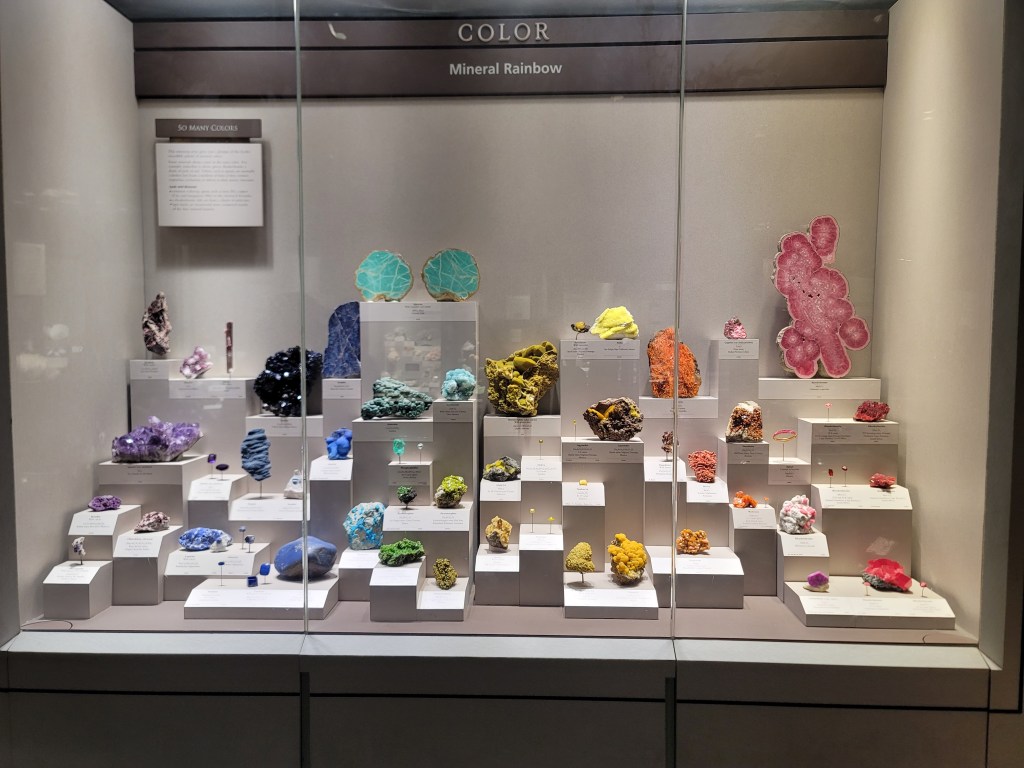
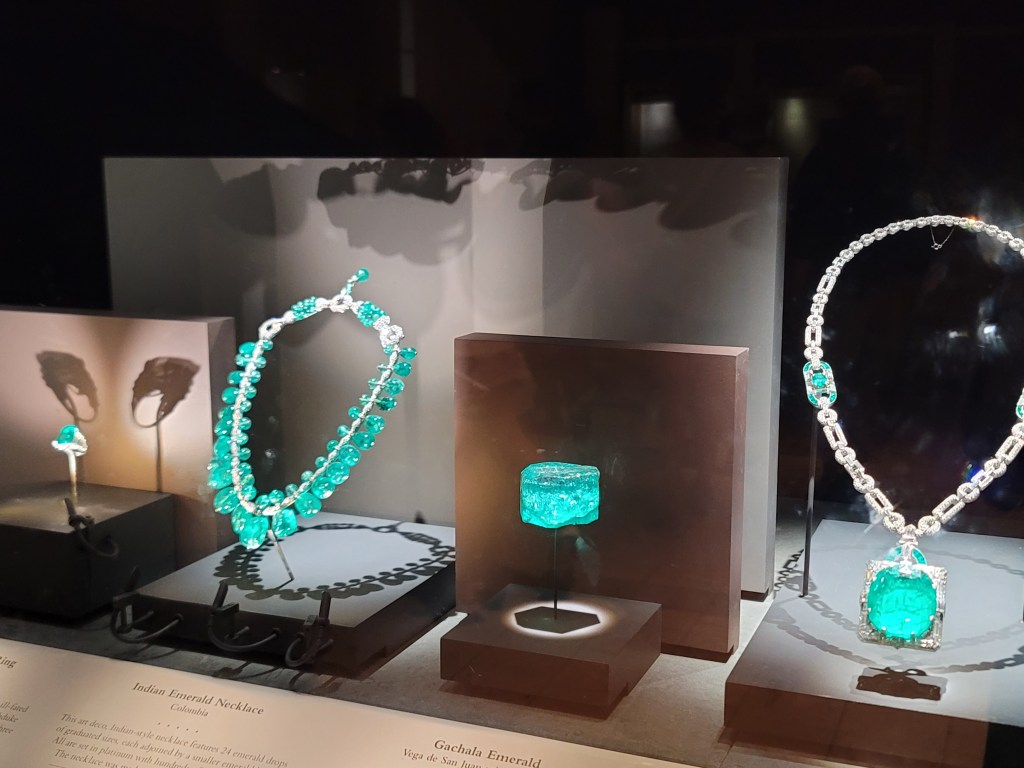
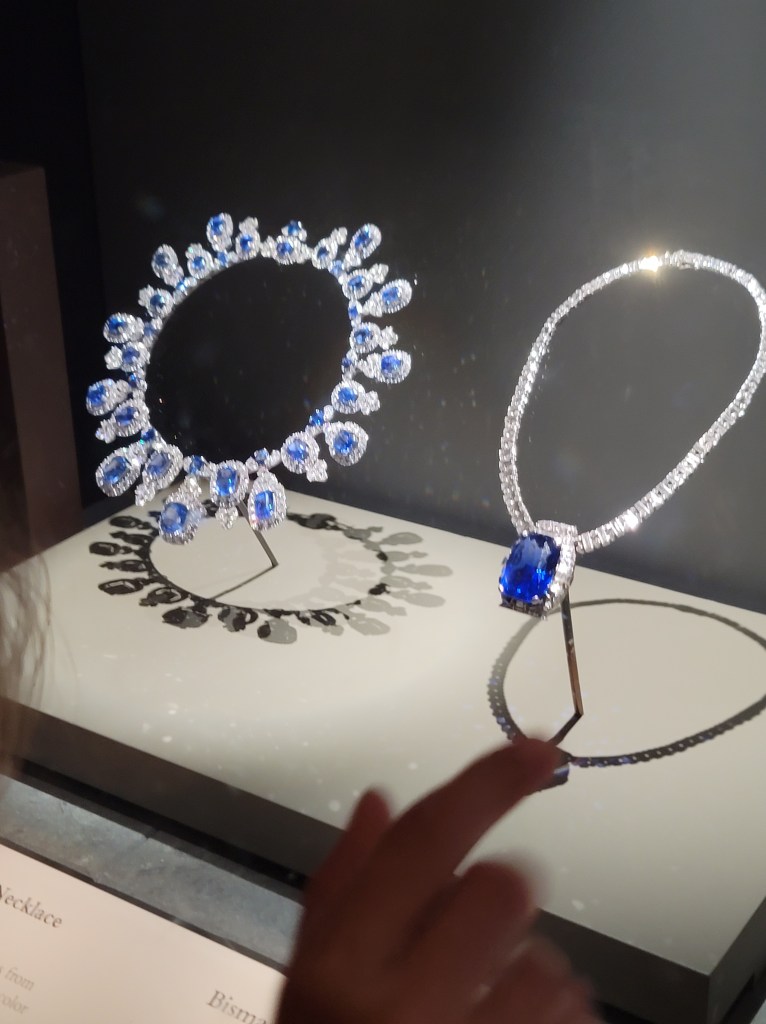
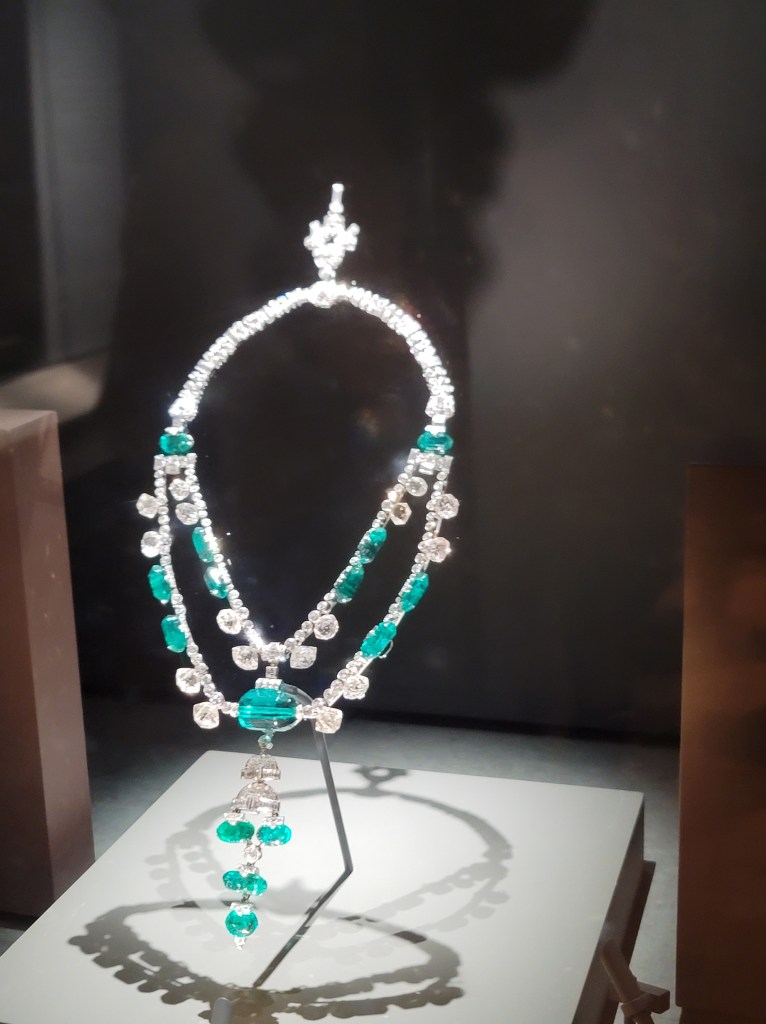
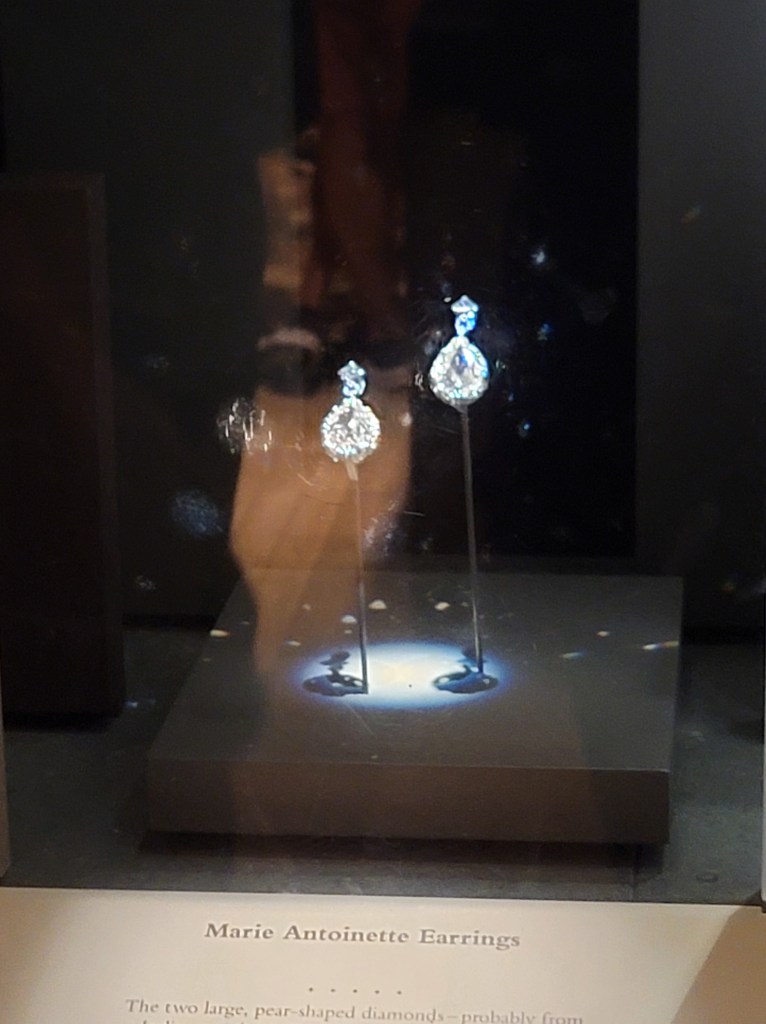
Holocaust Museum
Though I missed my first opportunity, I did make my second opportunity for visiting the Holocaust Museum.
I was given a card of a special person who was involved in the Holocaust. My person was a survivor, but we know that was rare. As we made our way through the museum, I learned things I didn’t know previously. I knew Hitler was evil and the period was dreadful for Jews, but this museum really opened my eyes to much more. They had a lot of artifacts to show just how bad things were in the period. It walked us through how they brainwashed the country into believing the propaganda.
It took days to get tickets for this, but I highly recommend going.
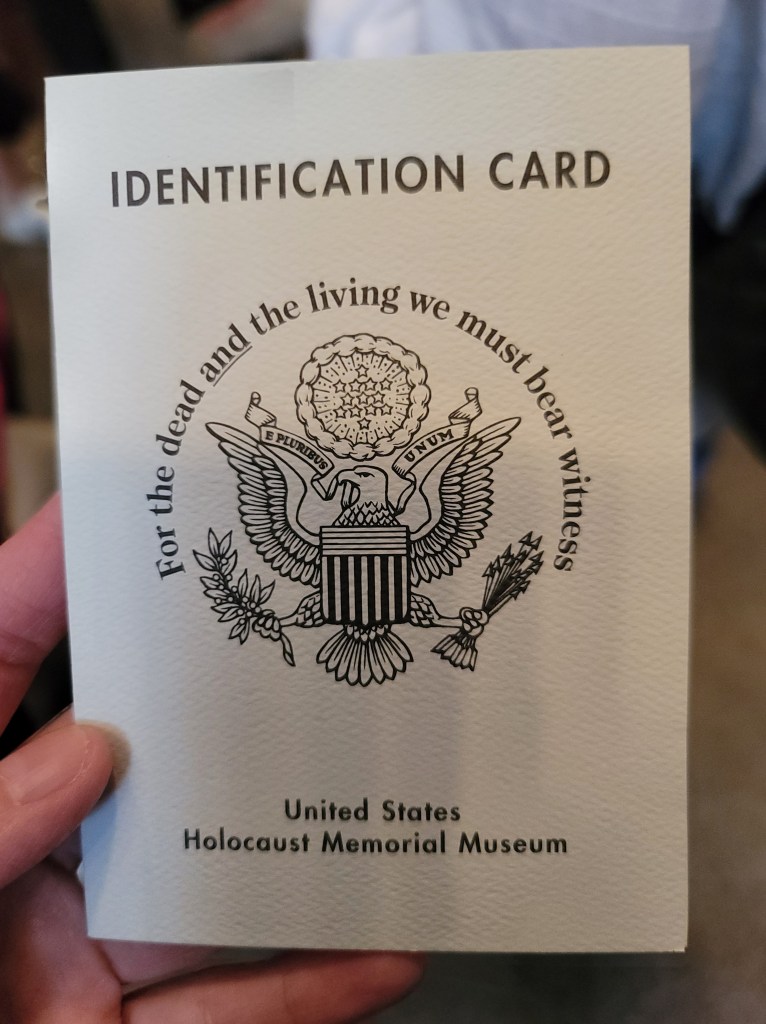
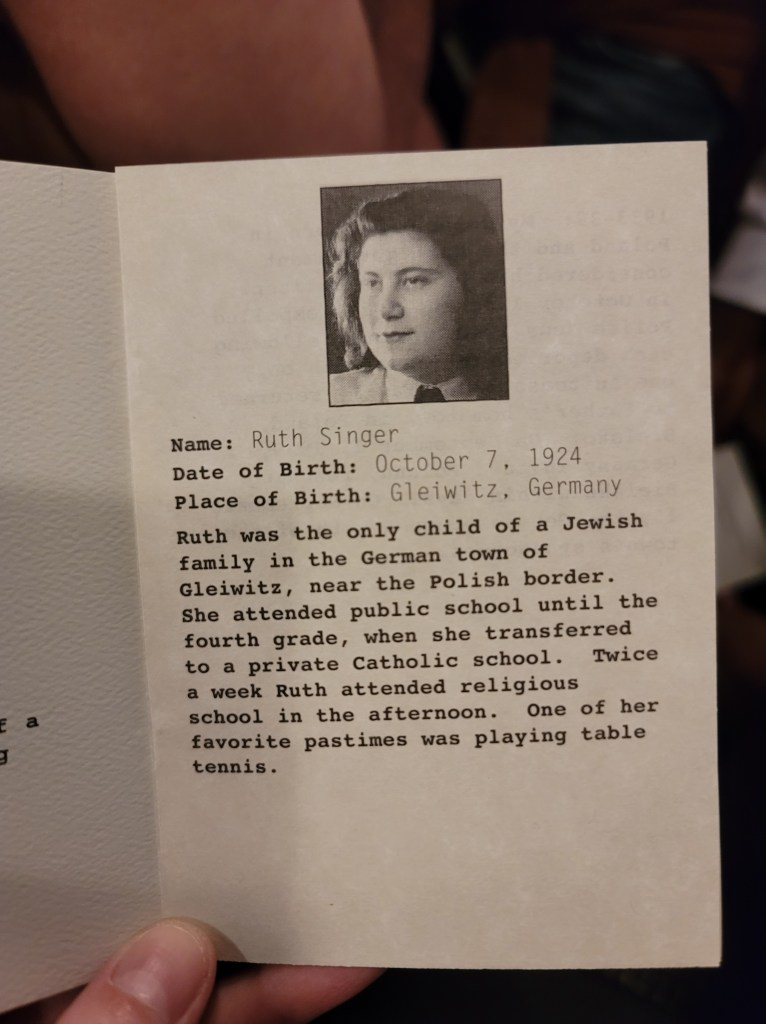
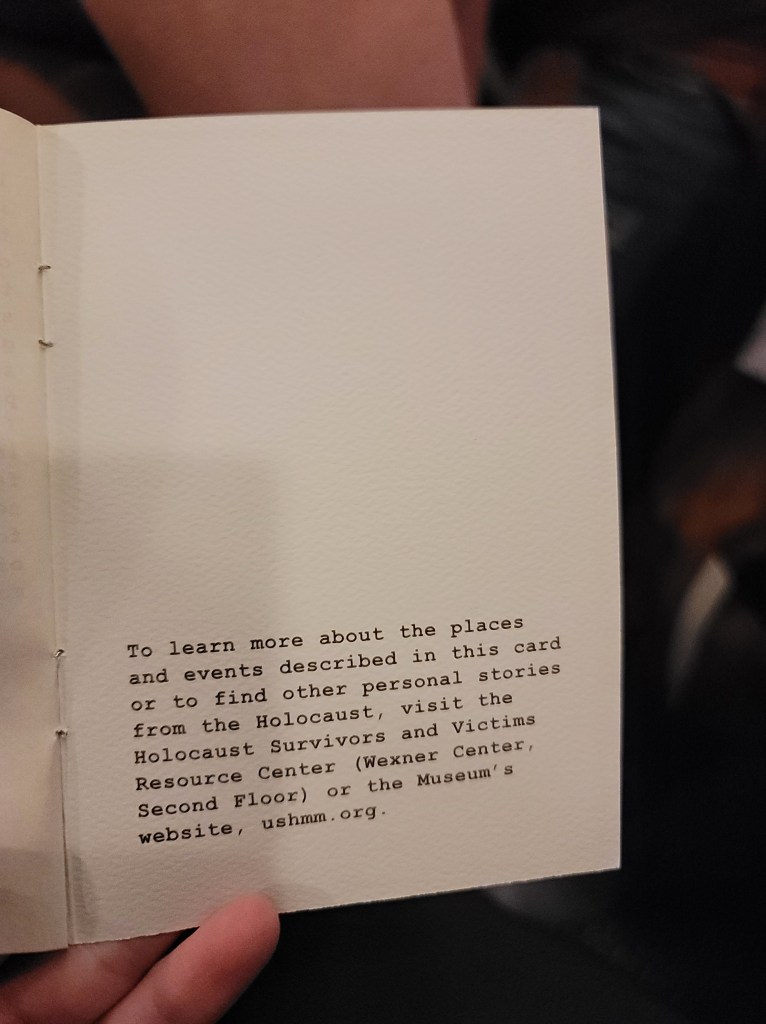
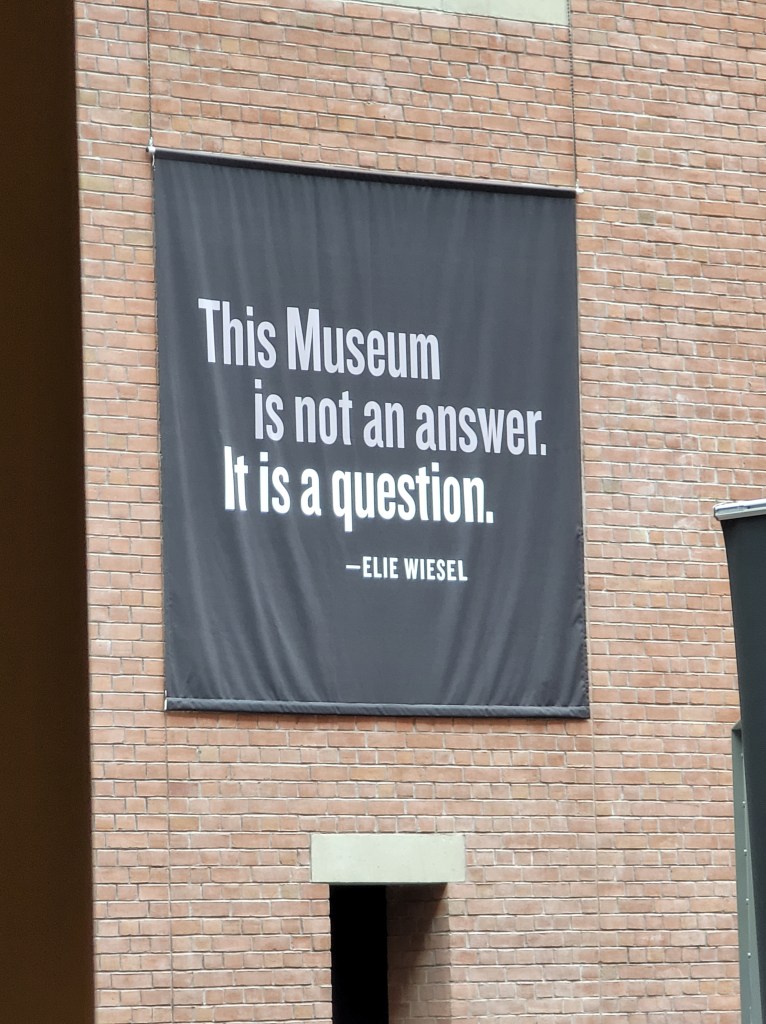
Washington Monument
Another place I recommend getting tickets to is the Washington Monument. Again, it took a couple days to score tickets, but I’m grateful I did!
We took a ride up 500+ feet to the top of the Washington Monument. Just like a plane, you felt the pressure change. I had to pop my ears at least twice on the way up. It had stunning views of the entire city of Washington, D.C. It put into perspective just how small we really are.
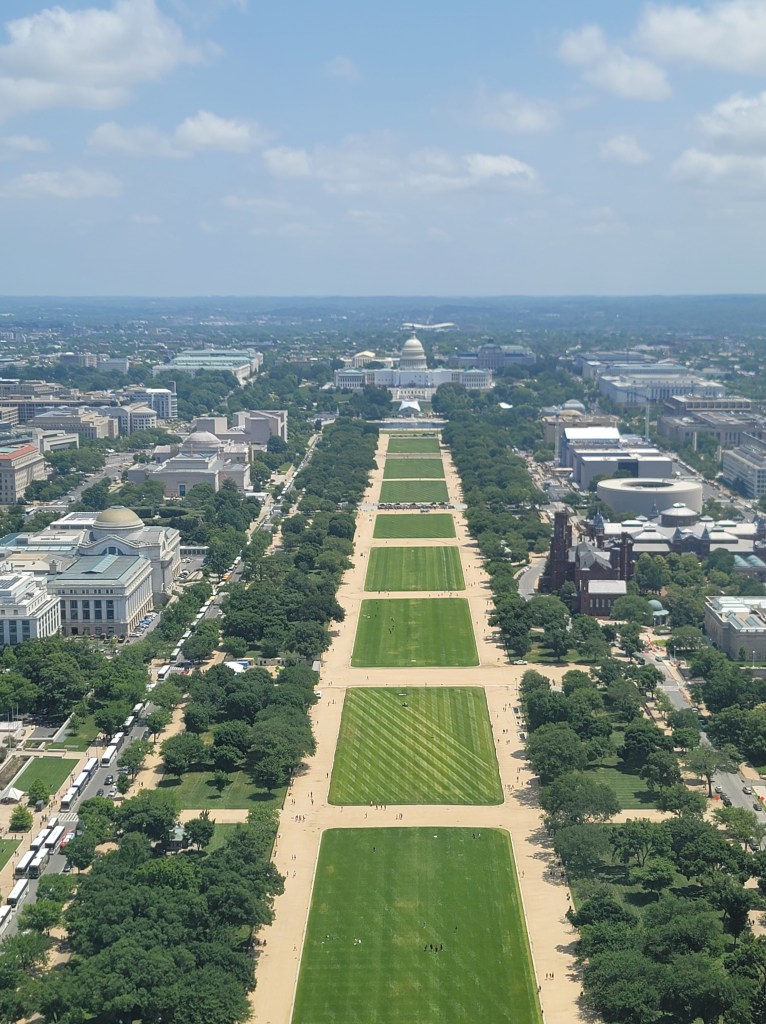
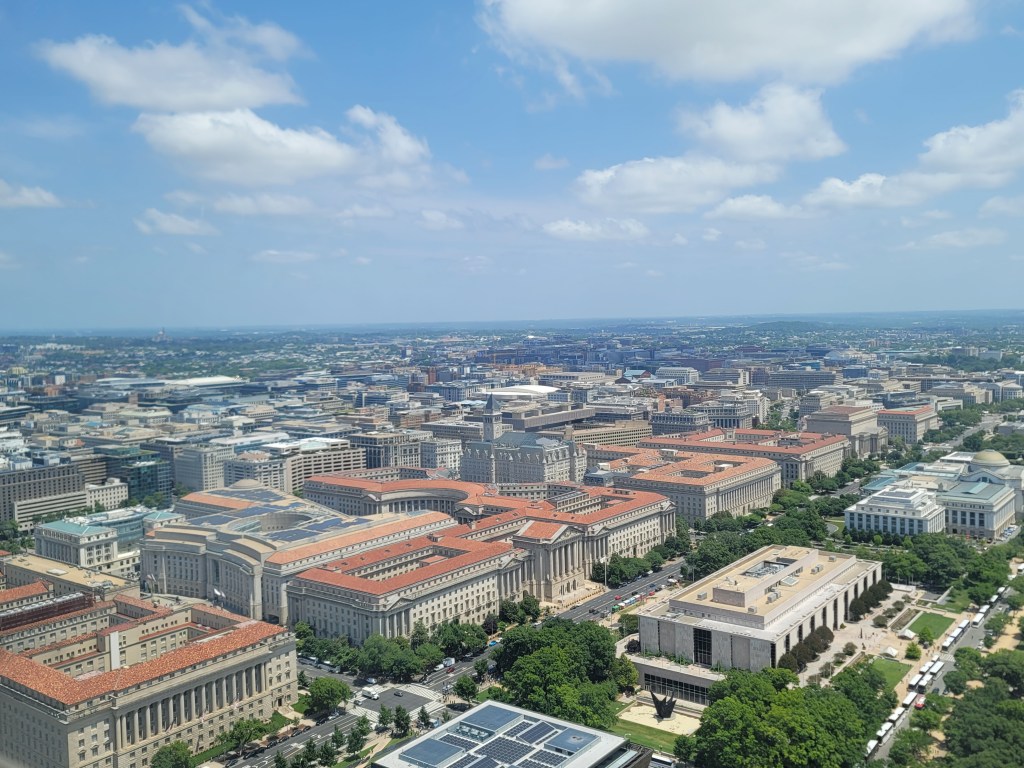



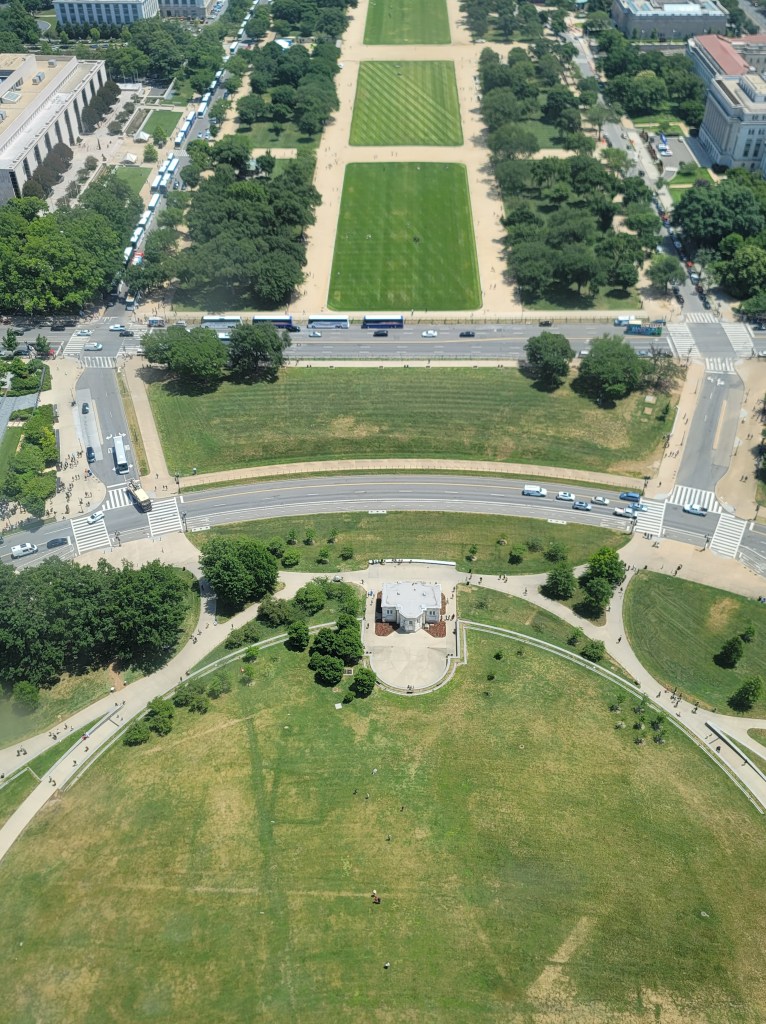


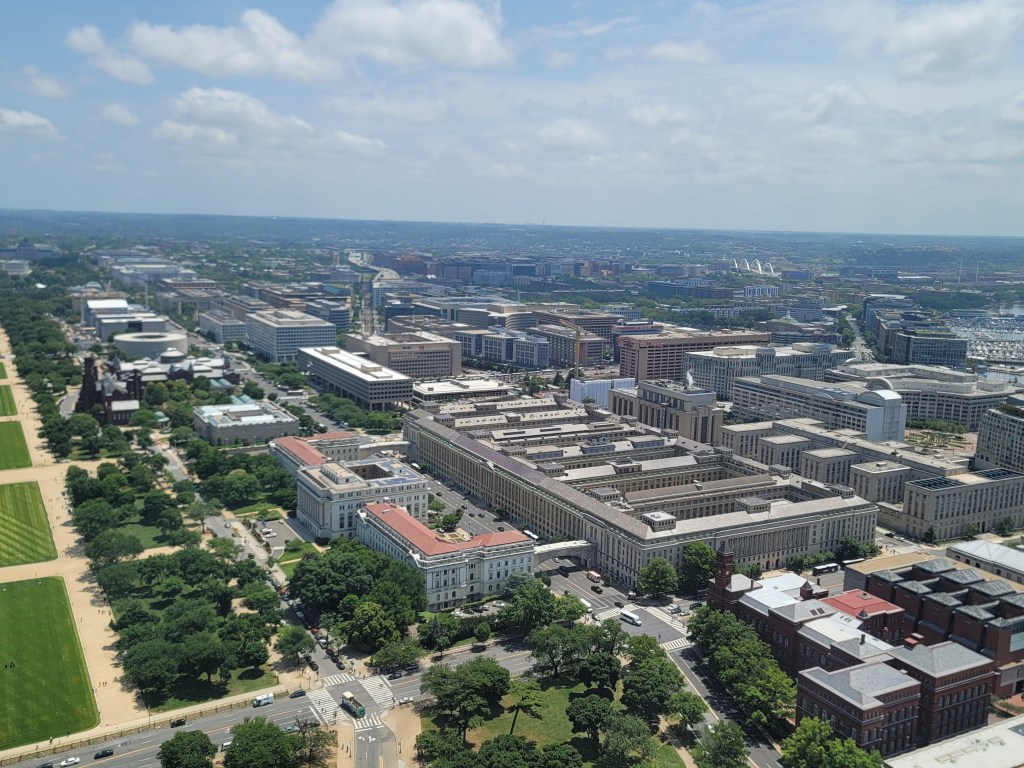
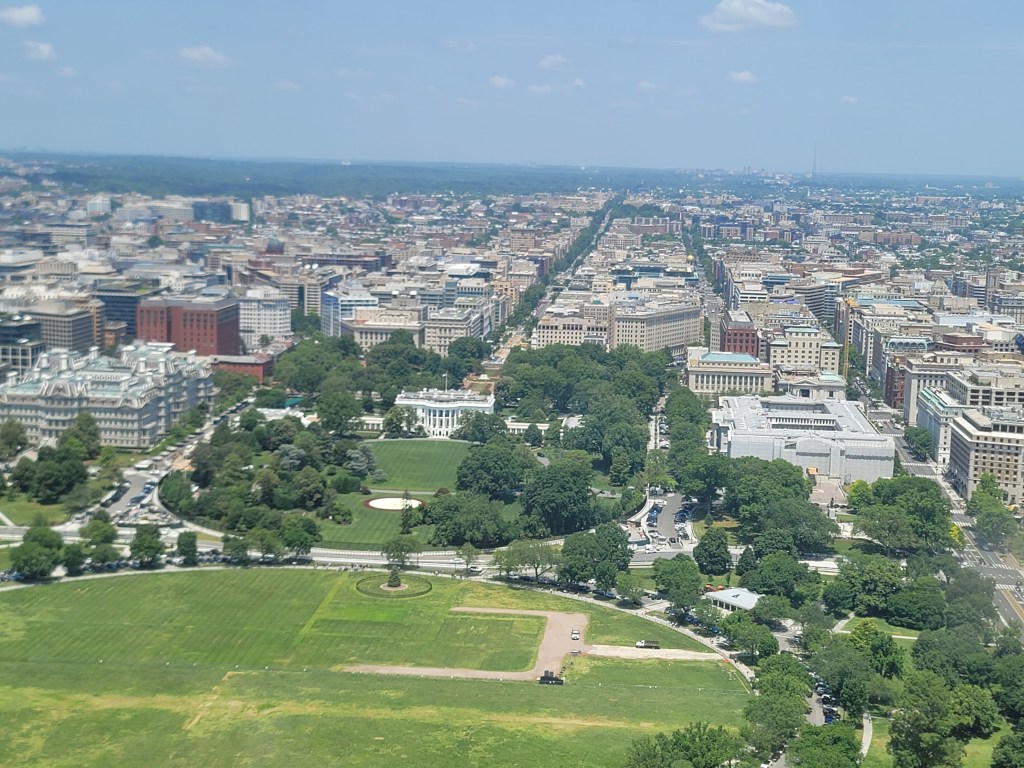


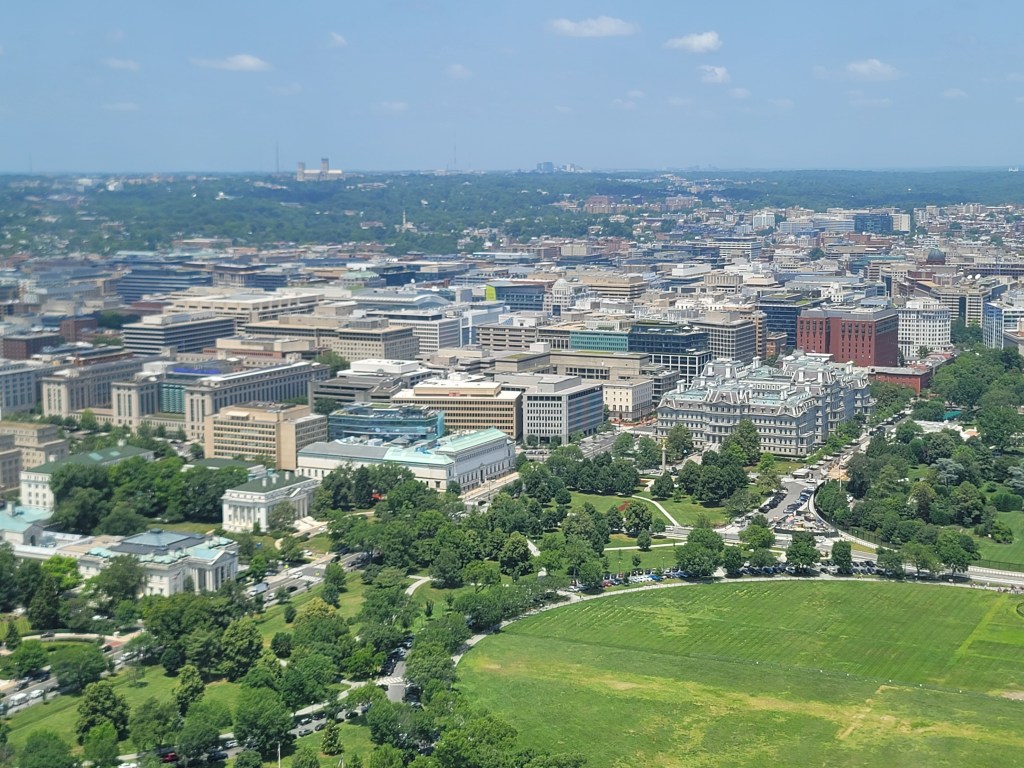
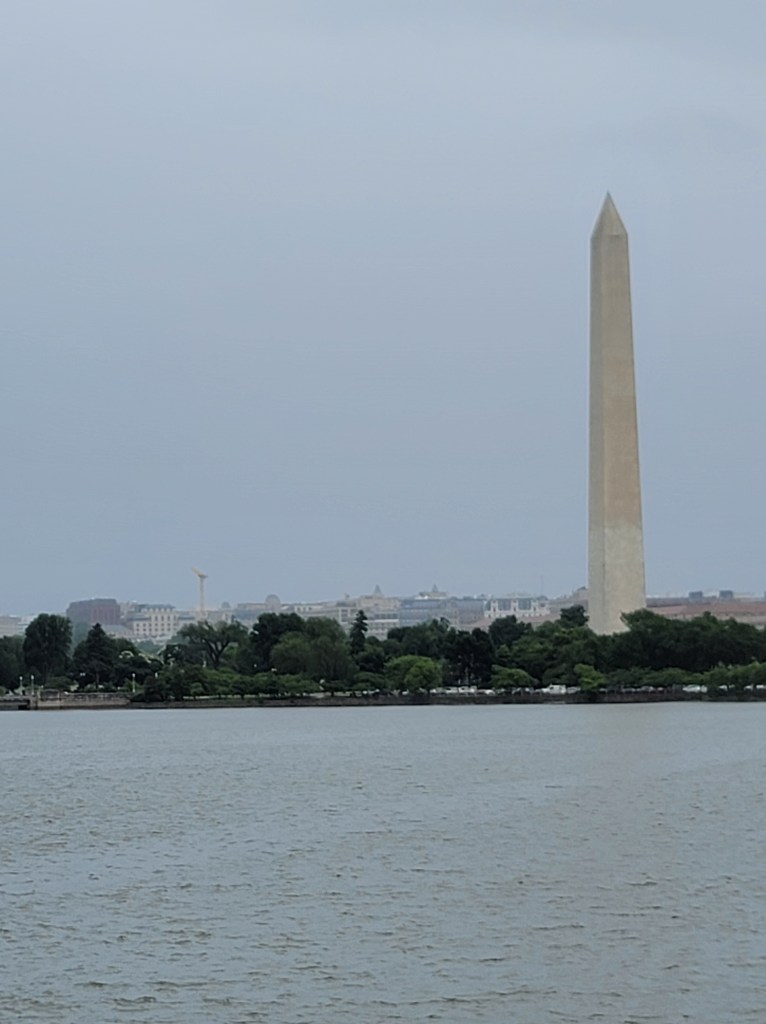
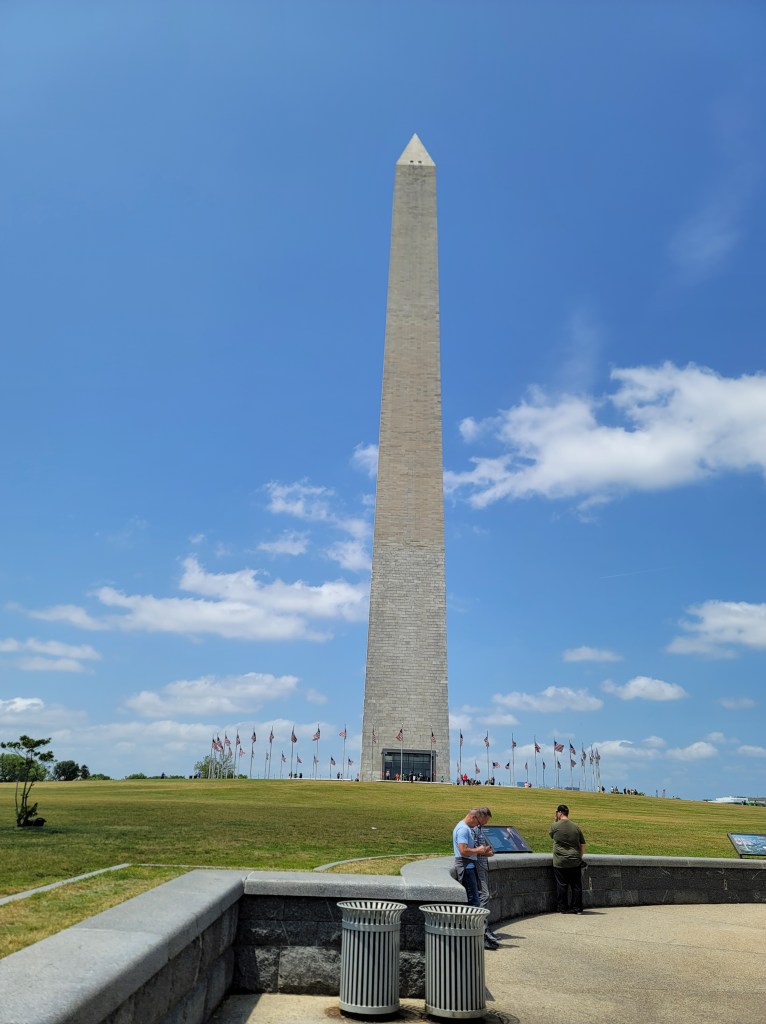
Library of Congress
My final pit stop was the Library of Congress. I signed up for a tour. I’m glad I did. The columns honored famous authors like Longfellow, Scott, Gibbon, and more. As a teacher who teaches reading and writing, I was in awe of the building. I came at the perfect time to visit the Reading Room as well, which is a rare opportunity.

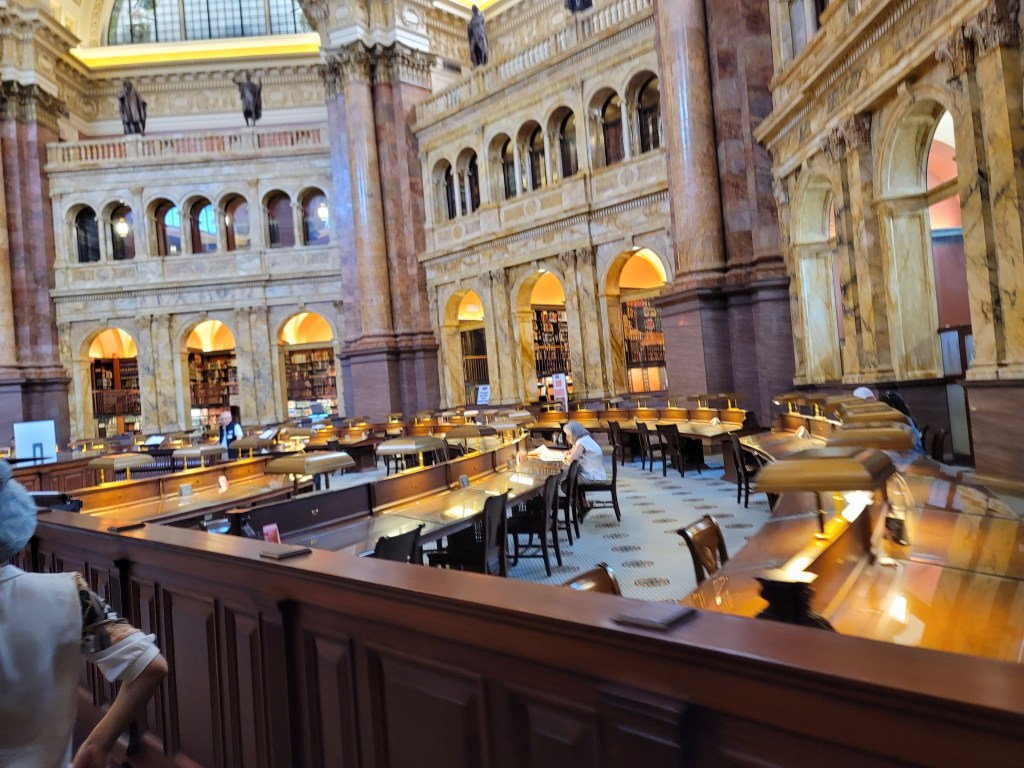
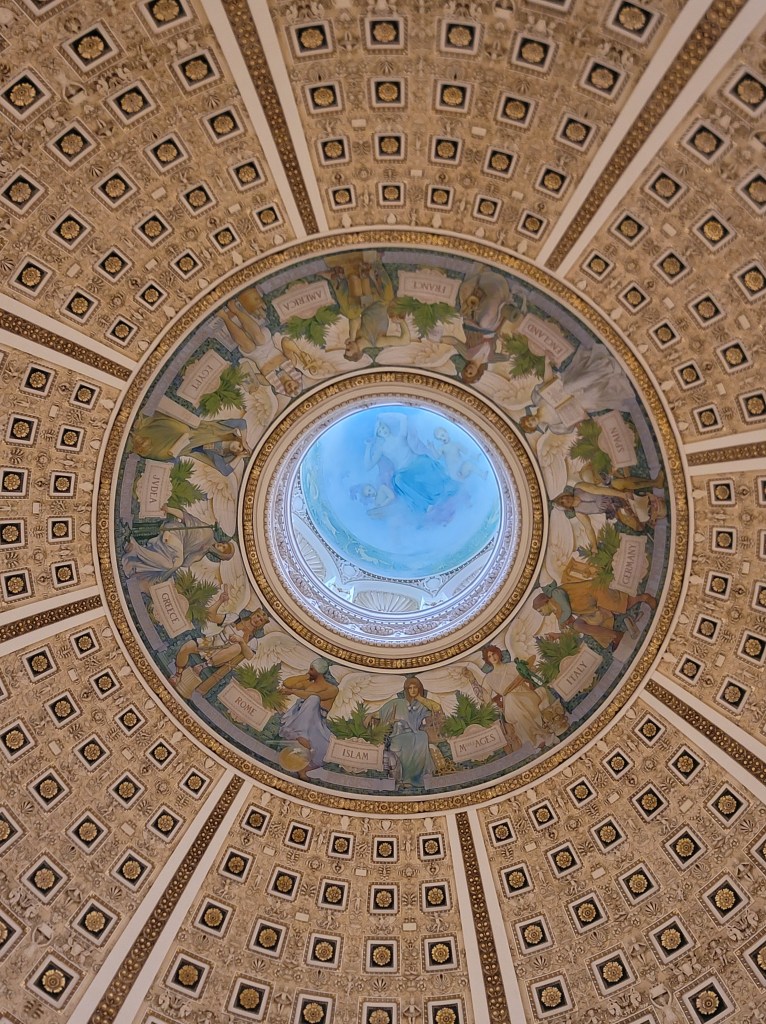

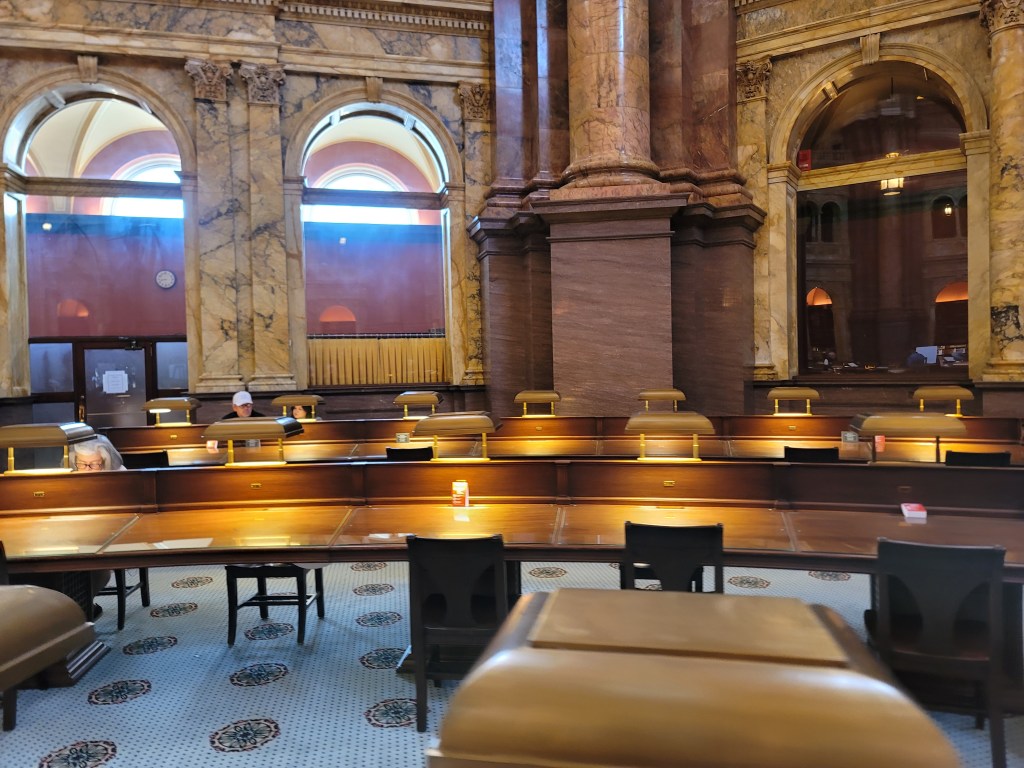

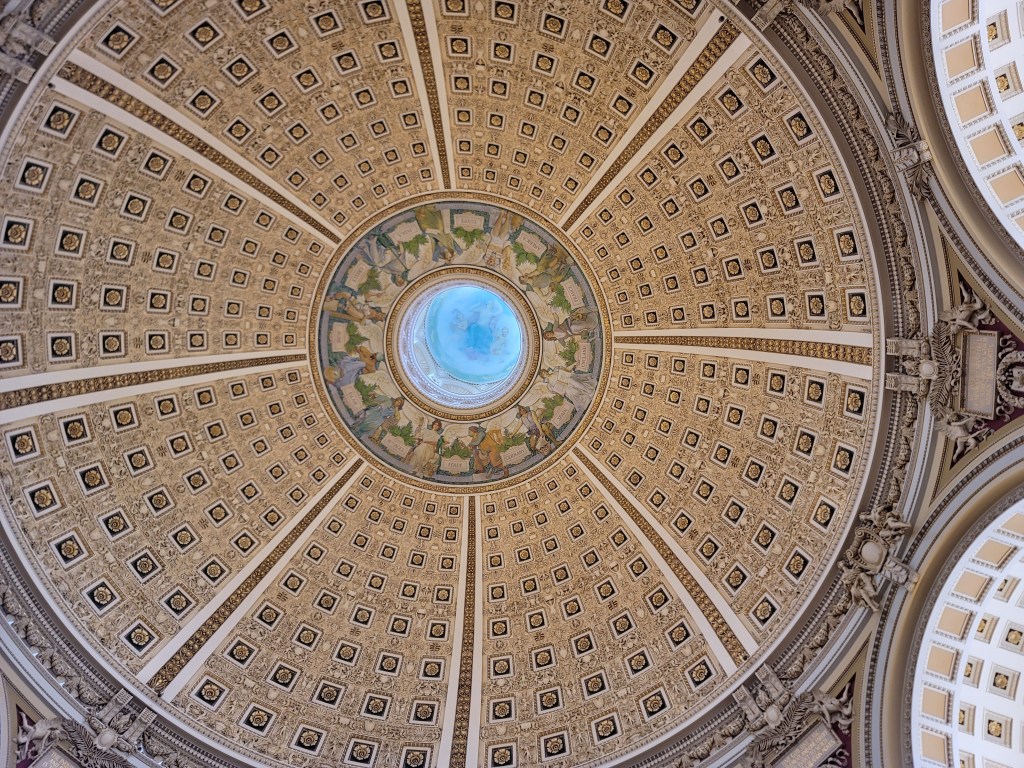



I thoroughly enjoyed my time in Washington, D.C. I learned a lot and lived through moments that I normally wouldn’t have had the chance to. My appreciation for art and architecture grew tremendously after visiting most of these places. Although I didn’t get to see everything, I experienced a lot.
Journey to Washington, D.C. – Day 2 (City Center – Museums, Monuments, and Memorials)
After an emotional first day, I was looking forward to an exciting touristy day 2. Little did I know this would be the most interesting and enjoyable day yet!
Smithsonian
I knew I had to start at the Smithsonian Museums. As a teacher, I use their resources all the time in class. I didn’t realize they had so many museums until I came to Washington, D.C. Luckily, they are all situated near each other, and easy to access them all. Despite that, I wasn’t able to access them all in my short time, so I had to prioritize.
I boarded the metro for another long travel into the city. Upon arriving, I walked through the streets and took pictures of other well-known monuments (i.e. Washington Monument). I saw other tourists taking photos and offered a helping hand in taking family photos. They were grateful and almost shocked that I was willing to do that for them.
I started at the Smithsonian National Museum of American History. I wasn’t sure what really to expect, other than history. Surprisingly, it included everything history-related – not just war history.
One of the first displays that stood out to me was the Greensboro Four display. They had part of the counter and chairs from the diner that made history. Just outside of the display, the museum included chairs for visitors to watch a short documentary on the Greensboro Four. These four gentlemen do not receive enough credit for their bravery that day.
As I walked through the displays and rooms, I saw exhibits from old American education. The chairs and desks were so incredibly tiny. The outfits were traditional dress codes of white and blue with girls wearing modest dresses, even in the arms.
They brought an actual home into the museum from the 1600s. You were able to see the architecture of the time, and it included an interactive family having tea of the time. It told the story of six families living in one home. I’m not sure if I could handle housing another family in my small home. Next to the home, they included a bucket of water that would have been the weight of the time. I didn’t realize just how heavy these buckets were for people to carry back and forth to the home for cooking, bathing, washing clothes, etc. They included a laundry wringer as well. I thought I was strong until I started twisting the wringer.
I made my way to the entertainment portion of the museum. I saw Dorothy’s red slippers. They were on display behind a locked enclosure, but they had a second pair, copper in color, for patrons to feel. I couldn’t believe just how heavy these shoes were and made of metal! The entertainment portion continued with original dolls from The Muppets, Mr. Rodgers, Sesame Street, and more. It was very nostalgic and made me sad that I was a grown adult. It made me sad to realize many of today’s kids didn’t have such great influences as we had them.

I remember reading the COVID mask was brought into the Smithsonian Museum. I remember at the time laughing about it and thinking it was crazy. Sure enough… the mask was there in the Smithsonian Museum.
The Nintendo, old video recorders, old microphones, Nokia phones, pagers, and more were also in the Smithsonian Museum. I immediately felt old. I felt like I was ancient as I watched kids walk around asking questions about things that were popular from my childhood.
The coolest part of the Smithsonian Museum I saw was The First Ladies display. I’m not one for fashion, but I was 100% intrigued by the fashion of the times. One thing I realized was how tiny women were in the 1700s. They were both extremely short and extremely skinny. You can see the way fashion progresses through time in size and design. Long modest clothing (length and arms) became off-the-shoulder, sheer, and closer to the body.
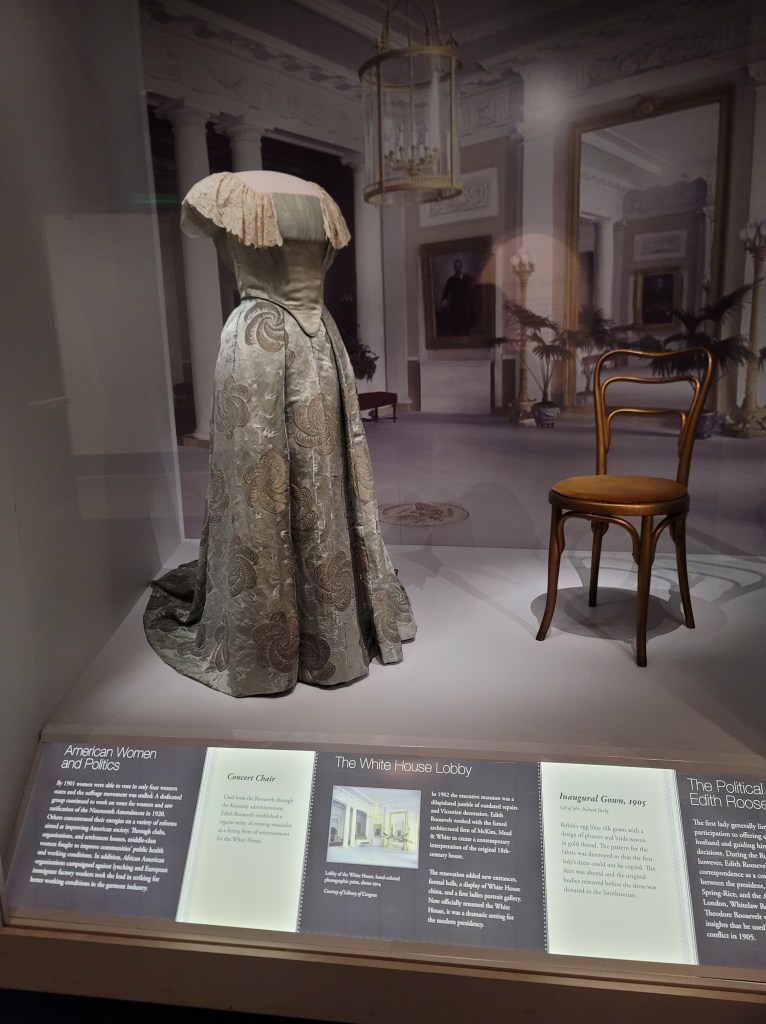
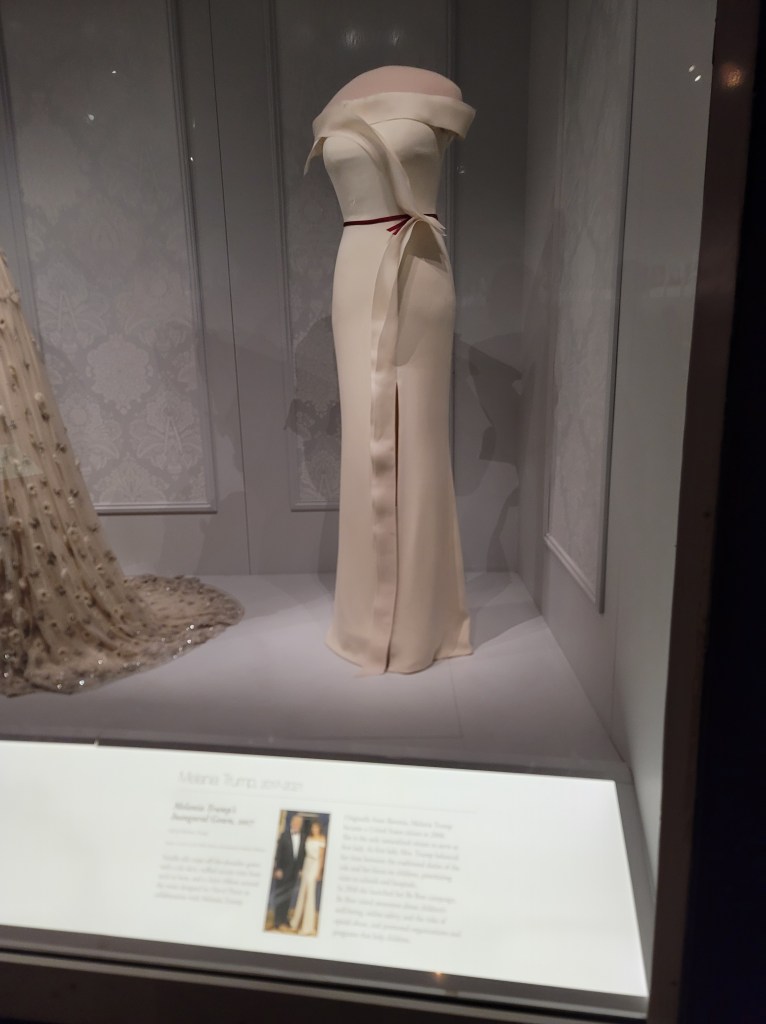


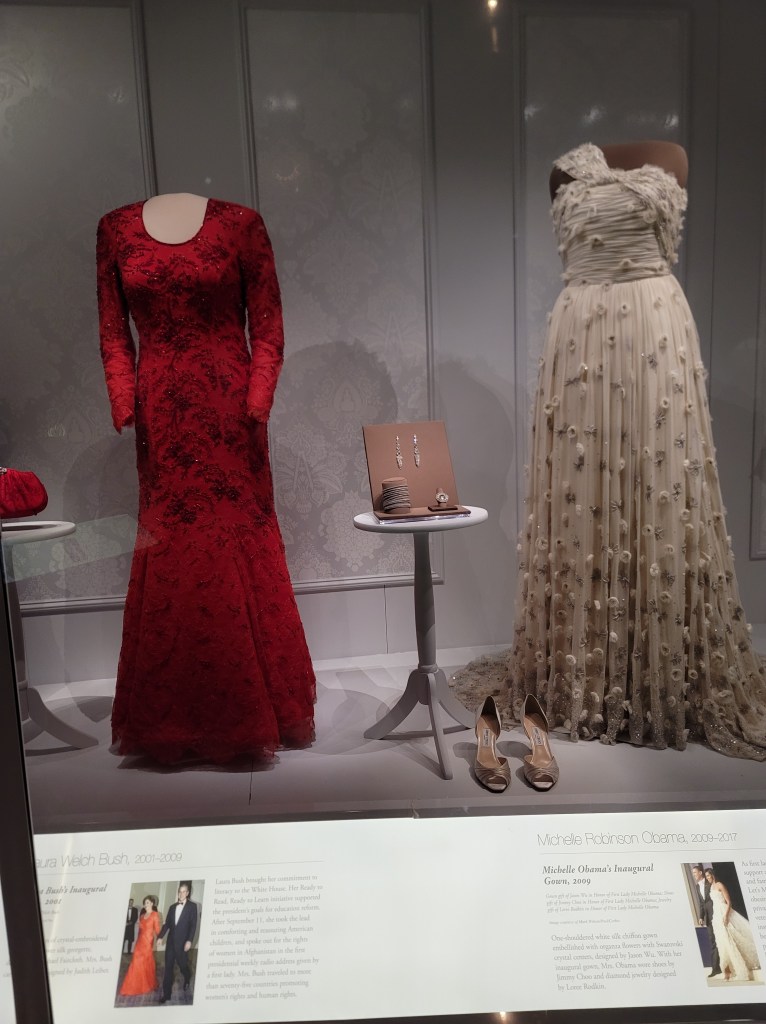

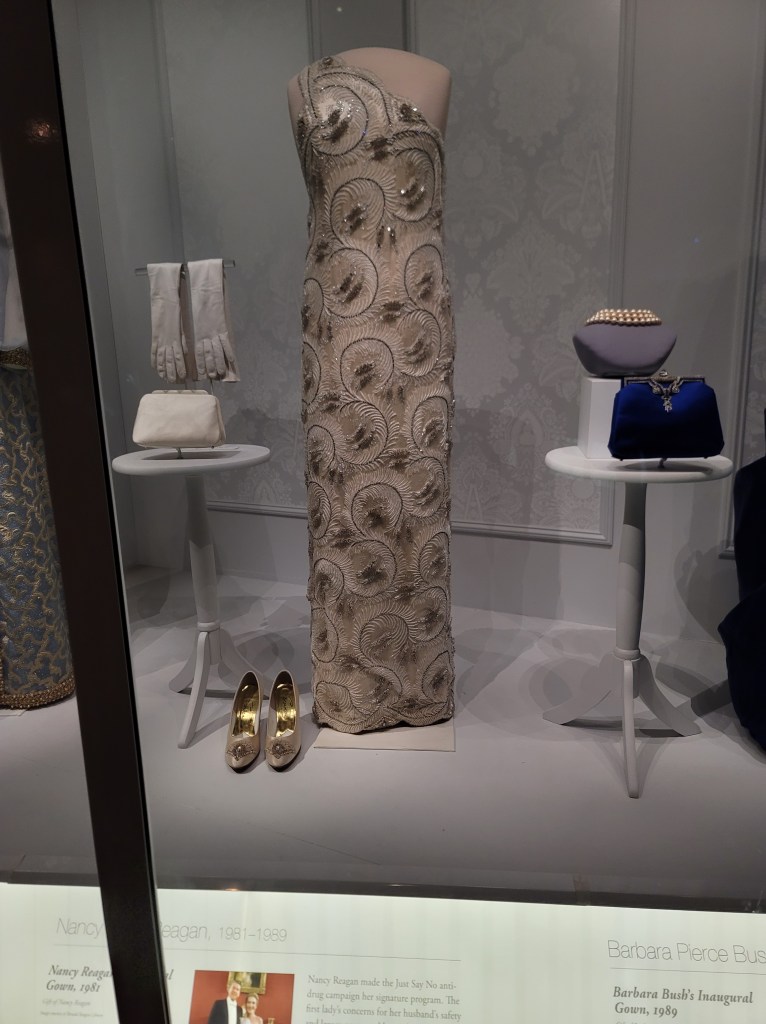
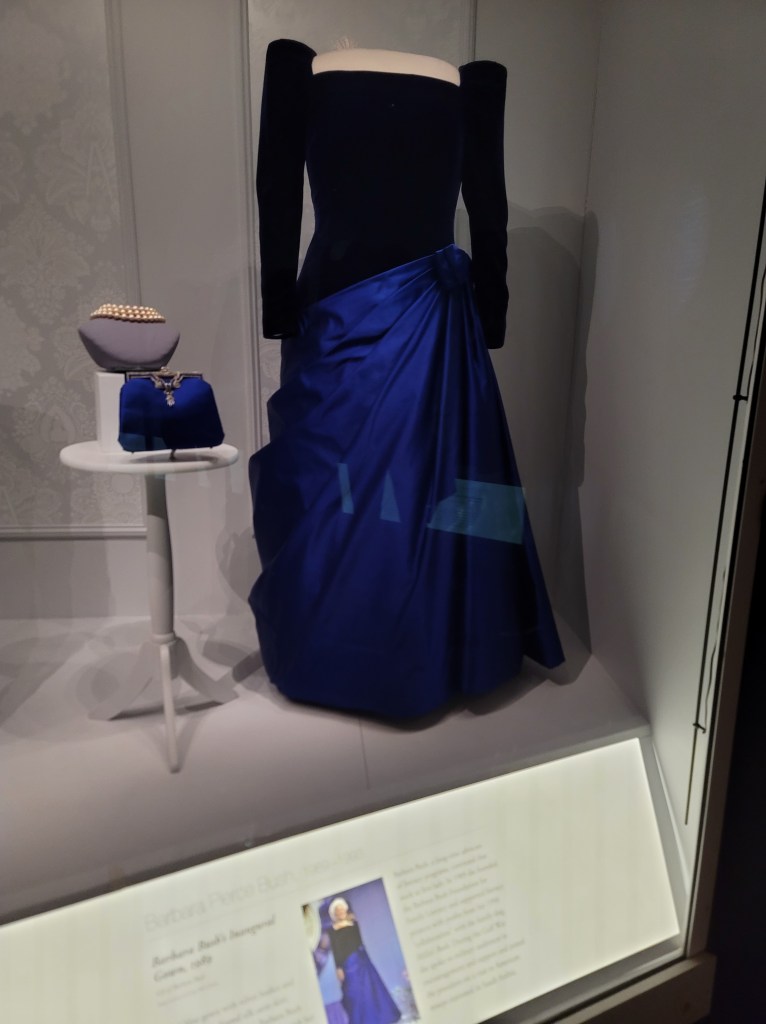


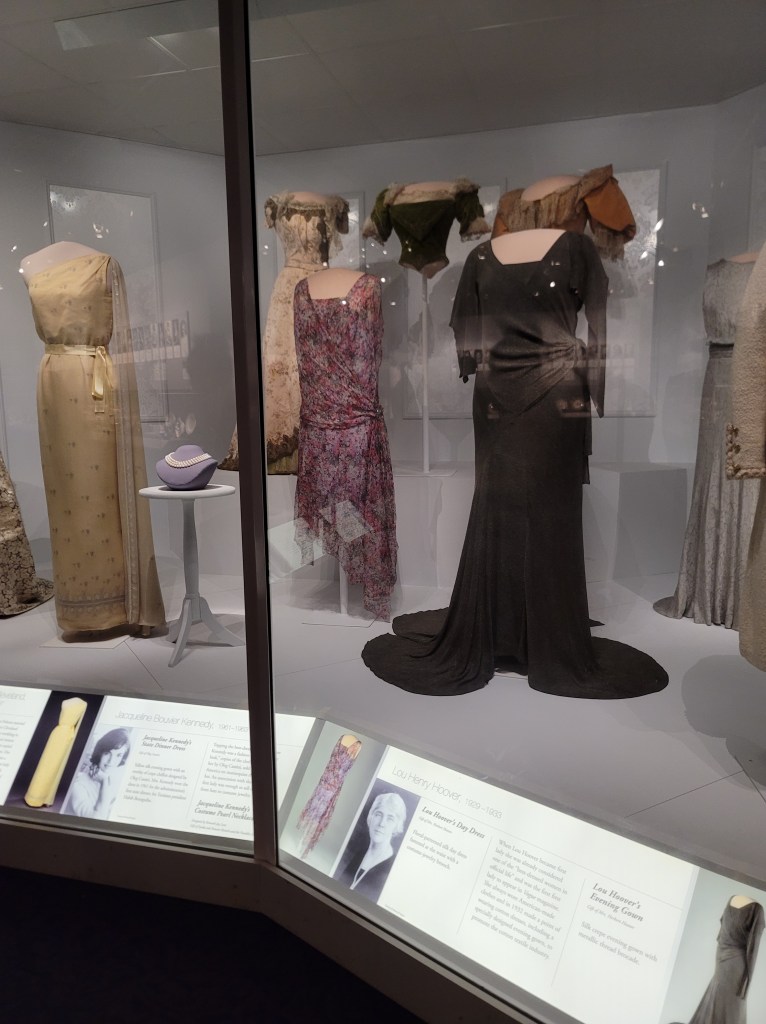





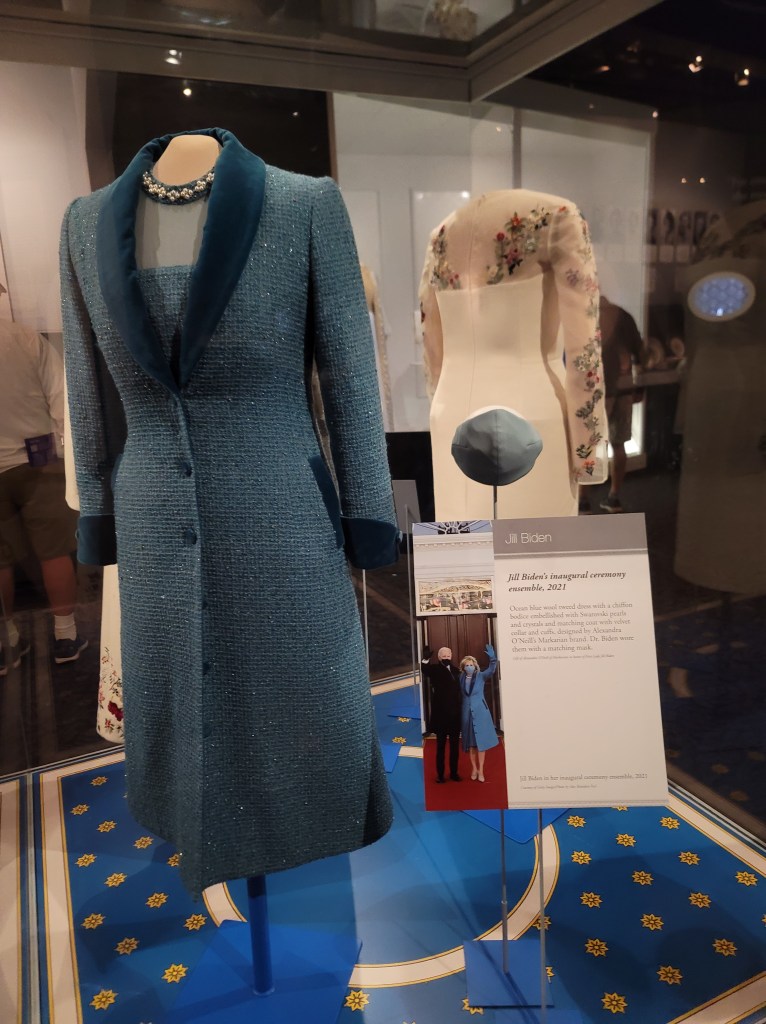


After attending the Smithsonian, I wanted to explore the city for monuments more. I knew I had future days to see other Smithsonian Museums.
Monuments Galore
I rented a Capital Bike to travel around town. I definitely don’t recommend these, but I’ll get into that later. I knew that much walking would kill my back though, so I took the chance at the suggestion of someone else.
The White House
My first stop would be The White House. I grabbed a bike and tried to find my way to the most famous building in our country. Like the previous day, I realized many streets were blocked off. I noticed a lot of dark vehicles with dark-tinted windows. My only assumption would be that it was the Secret Service. Another interesting thing about Washington, D.C. is that there are metal barriers all over the city – even for flowerbeds and trees.
After fighting with Google Maps for several minutes about making it to The White House, I finally found my way there. It included a tumble on my electric bike. It left me with a pretty nasty injury and bruise that led me to limp the rest of the day and the next day. I finally got to the gates of The White House. I always see these amazing photos of the place, but couldn’t figure out how people got them. There was an incredible amount of security around The White House. I was even afraid to put my arm through the metal gates to get a clear photo of the famous building. I did it though! It was absolutely stunning!
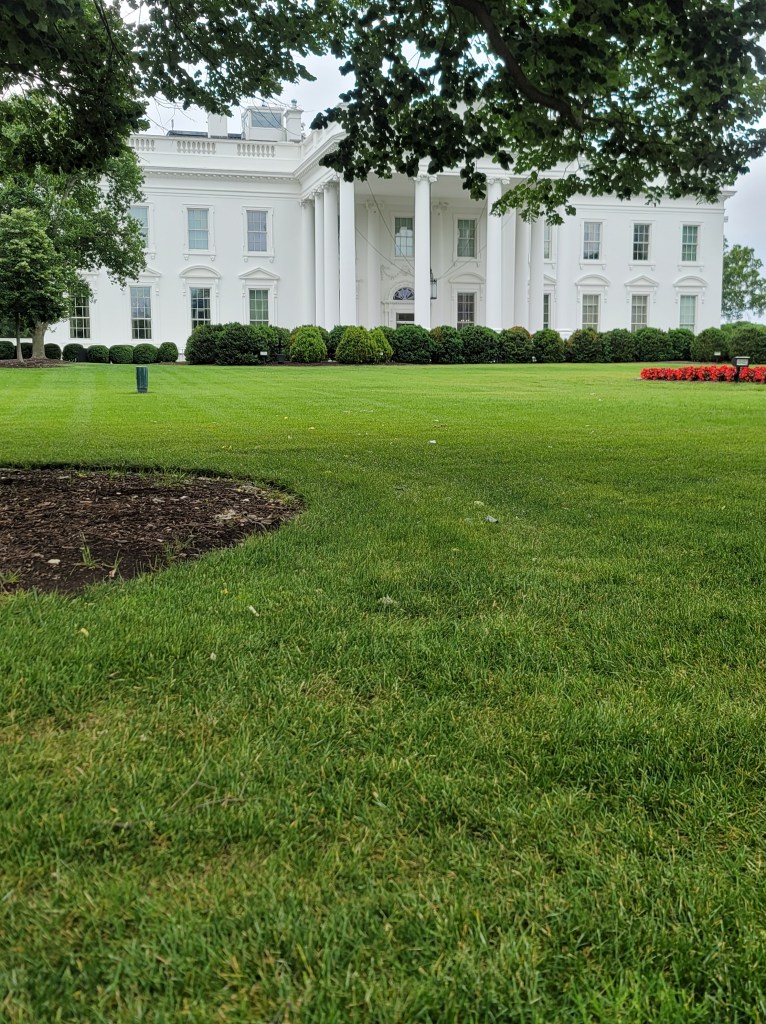
Thomas Jefferson Memorial
My next stop would be the Thomas Jefferson Memorial. Unfortunately, it wasn’t a place I could get up close and inside of. Because I didn’t have a lock on my bike, and I couldn’t park it anywhere in particular, I had to just take photos from a distance. Its location is absolutely stunning as it overlooks a beautiful body of water. The building was undergoing restoration, so parts of it were closed off as well.
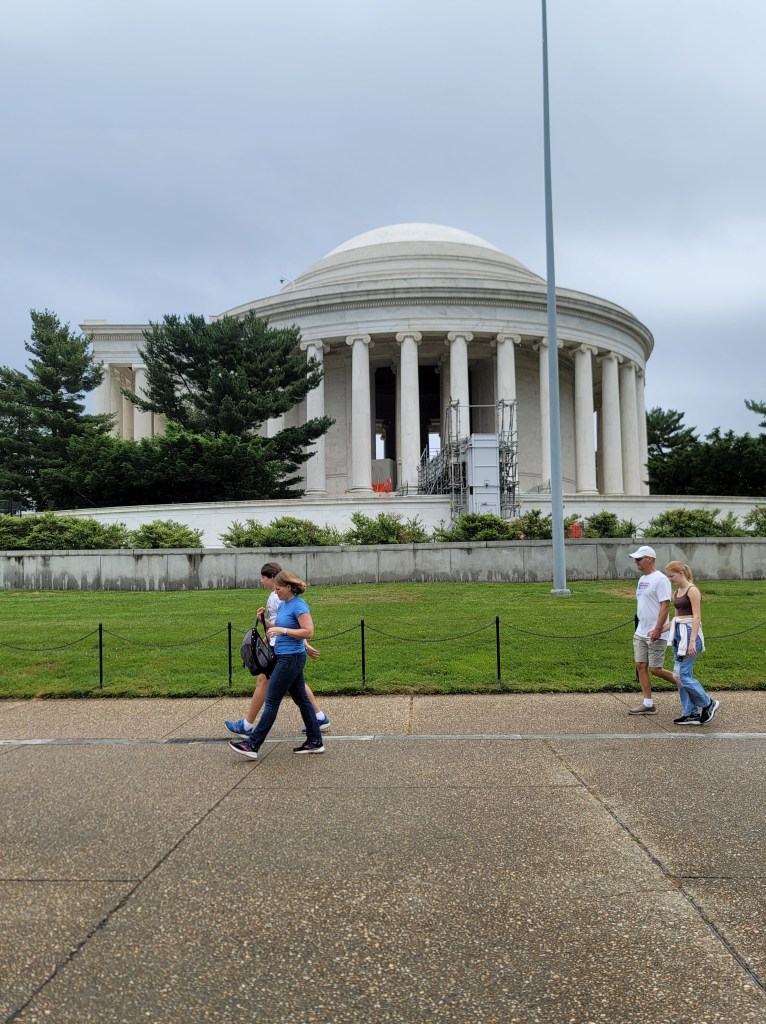
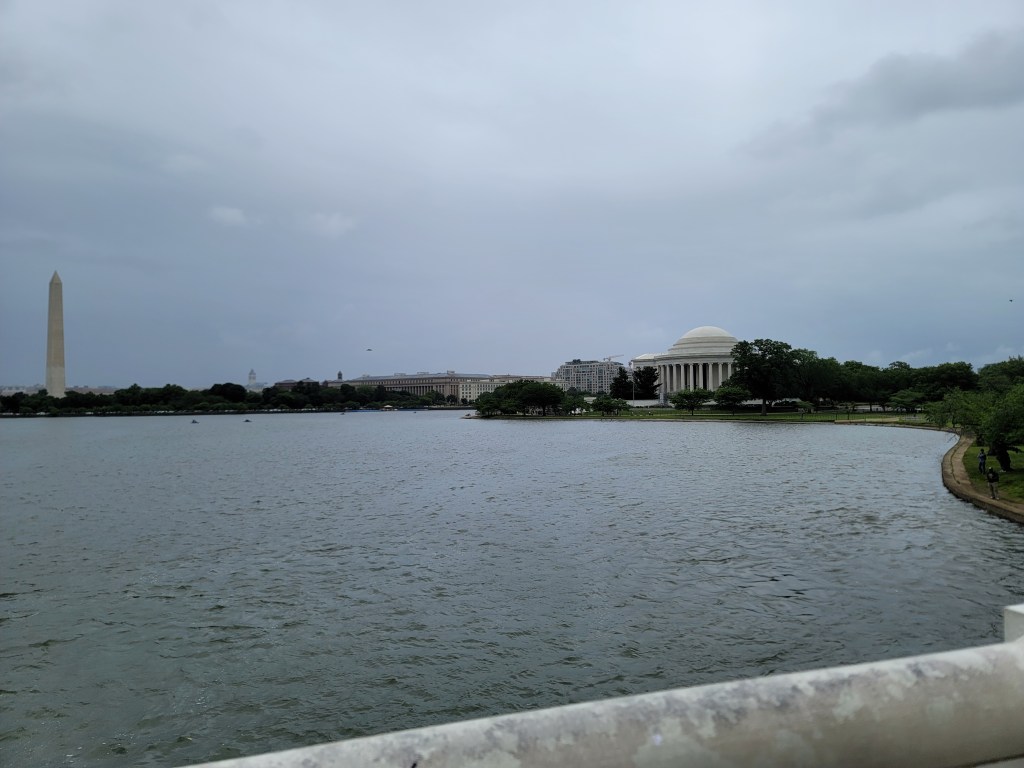
At about this time, the weather started to become extremely humid. I noticed the cloud coverage was getting darker, and a few drops of drizzle was falling. I didn’t prepare for heavy rain. I had a raincoat, but that was about it.
Franklin D. Roosevelt Memorial
My next stop was the Franklin D. Roosevelt Memorial. This one wasn’t what I expected at all. It was a huge park of stone structures and waterfalls honoring Roosevelt, his family, and his causes. Another beautifully designed memorial. The stones were covered in famous quotes, pictures, and statues of things related to Roosevelt.
Midway through the memorial, it started pouring rain. At this point, I just had to embrace it. It was such a moment though. I sat in the rain, taking pictures and enjoying the moment of being in the pouring rain and seeing history. It made me think that we, as humans, need to dance in the rain more often. It was so childlike to be poured on. The only downside is my pants were soaked. Nothing is worse than jeans soaked in the rain!
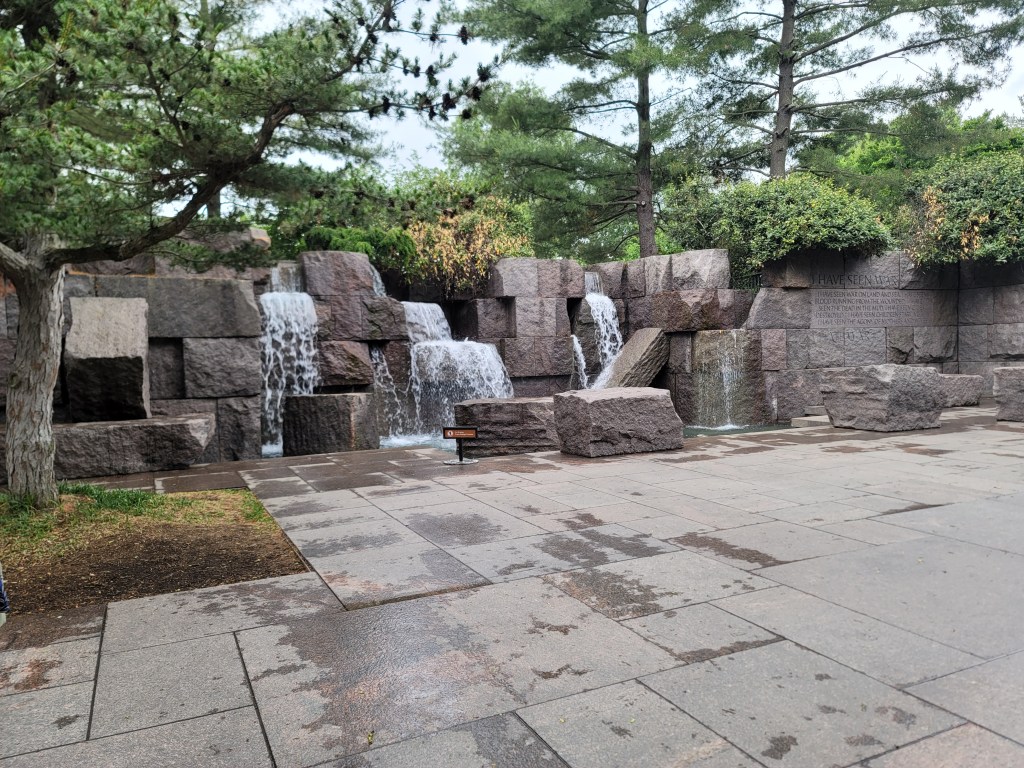
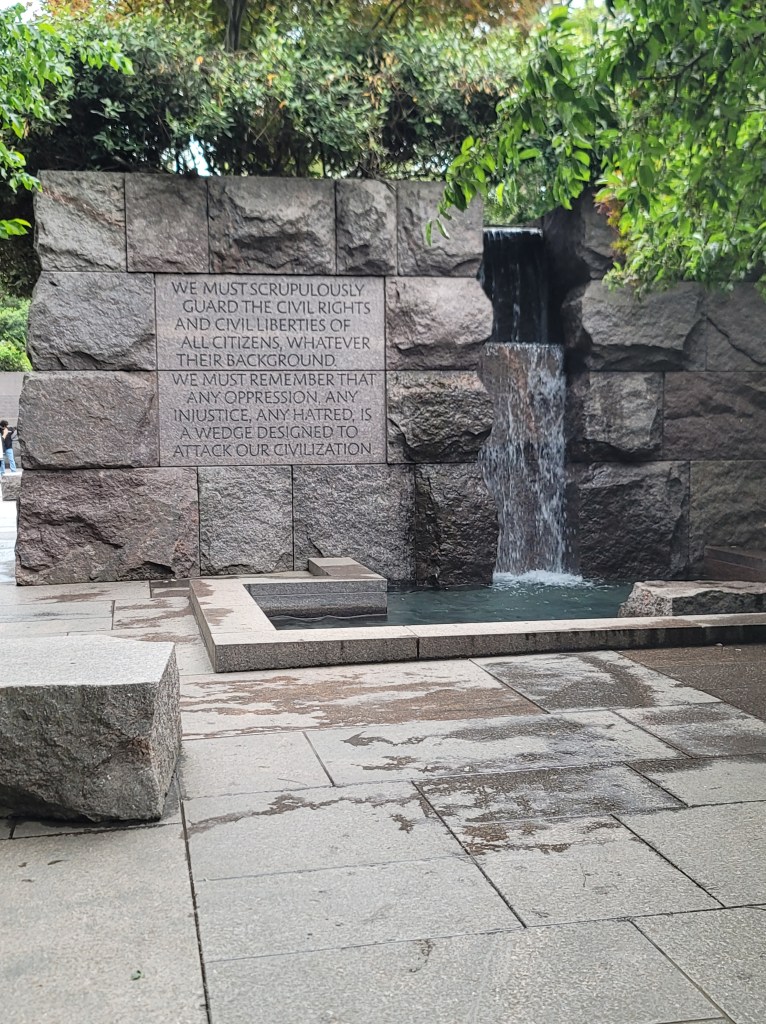

Martin Luther King Jr. Memorial
I wasn’t going to let the rain stop me. I continued my trek through the city to the Martin Luther King Jr. Memorial. Walking in between the two rocks, I noticed a huge statue. It was one of the biggest statues I’ve ever seen in my life. On the side of the statue sat a famous quote from MLK Jr., “Out of the mountain of despair a stone of hope.” It made sense why they chose stone to represent MLK Jr.
When you looked at the statue from another angle, the three stones (the two you walk into and his) are connected into one major stone. It made me look up some more information about the design behind it. The thought process behind this memorial was moving.
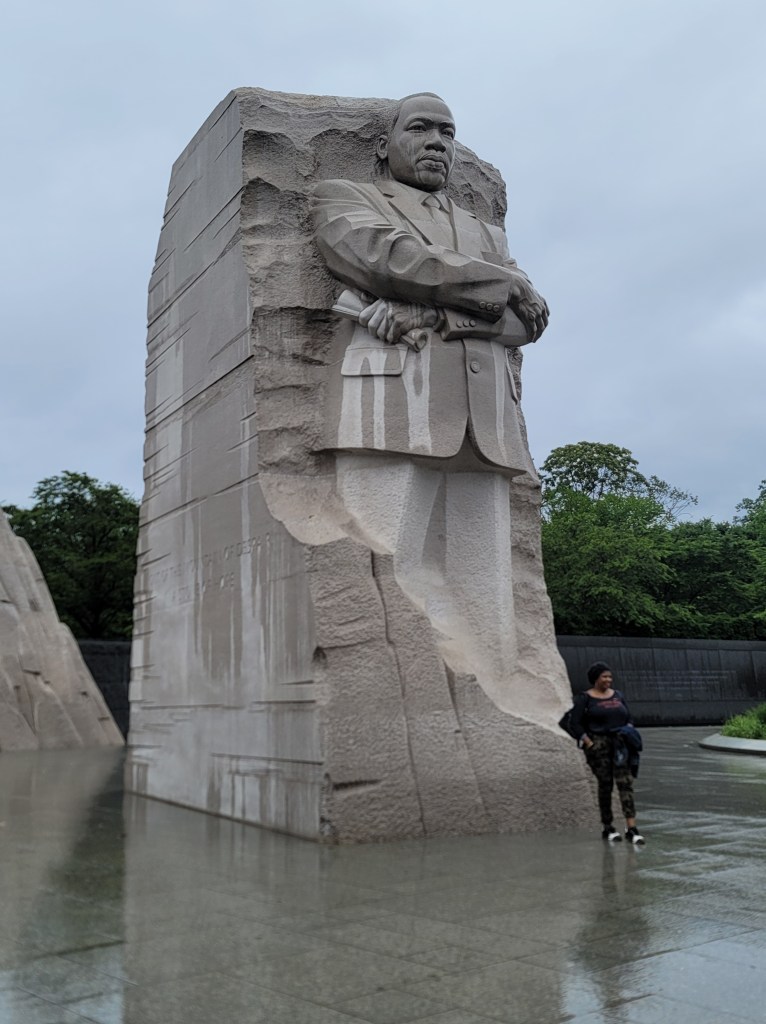
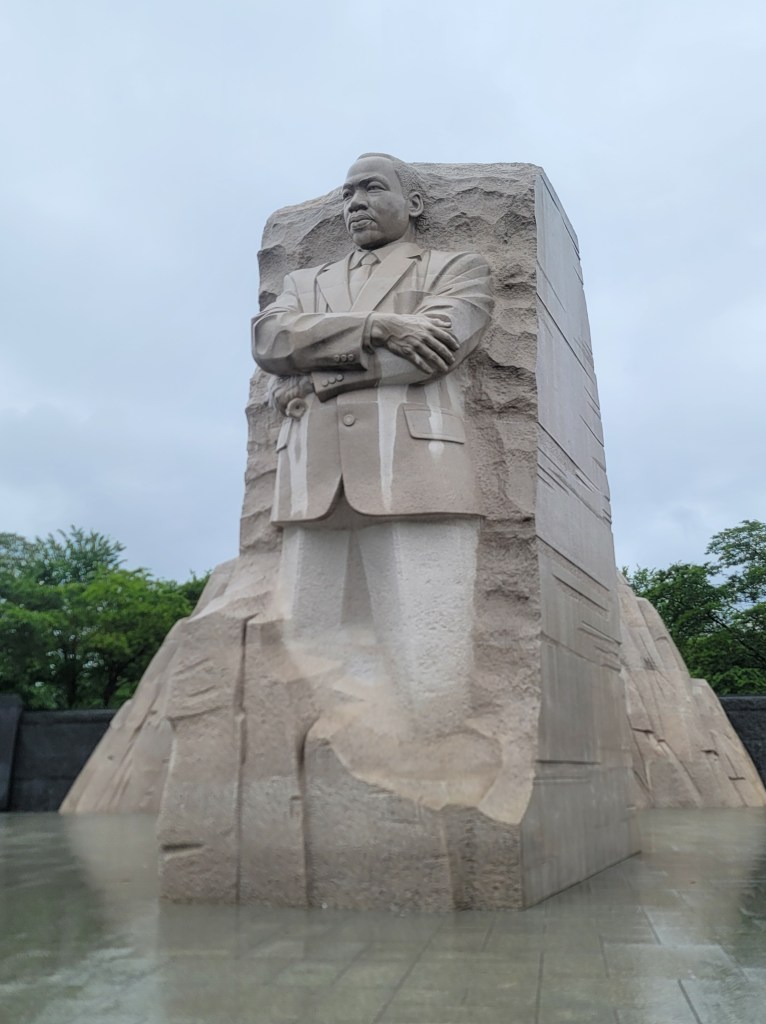
World War II Memorial
My next stop would be the World War II Memorial. By now, the rain had let up a little bit, but I was still drenched head to toe. Arriving at the WWII Memorial gave me a chance to sit and recover. The sun was peaking in and out. I watched people admire the memorial. I was in awe at the amount of respect and dedication put into this memorial. It was an absolutely stunning and moving memorial. Several people came to honor those who served.
It was perfectly placed within the National Mall. You were able to see beautiful views of the Lincoln Memorial, Washington Monument, Capitol Building, and more. About that time, it began to pour rain again. I sat in the middle of the National Mall, behind the WWII Memorial and by the Reflecting Pool, and just smiled. I looked at the sky and admired the moment of being able to experience this blessing.

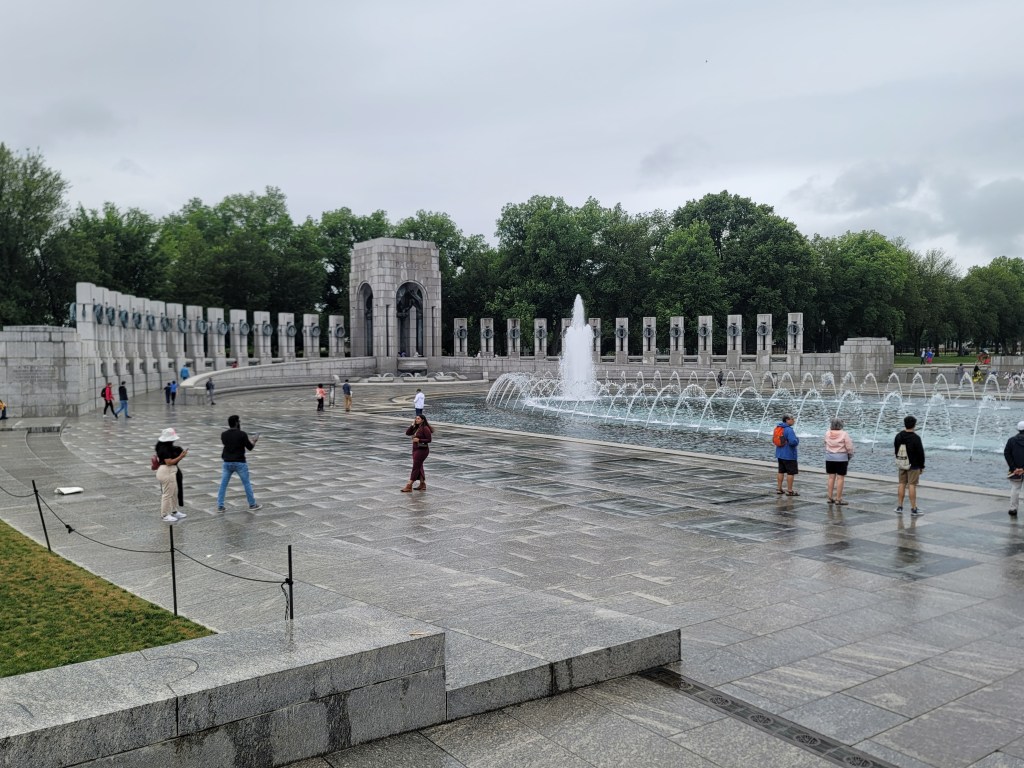
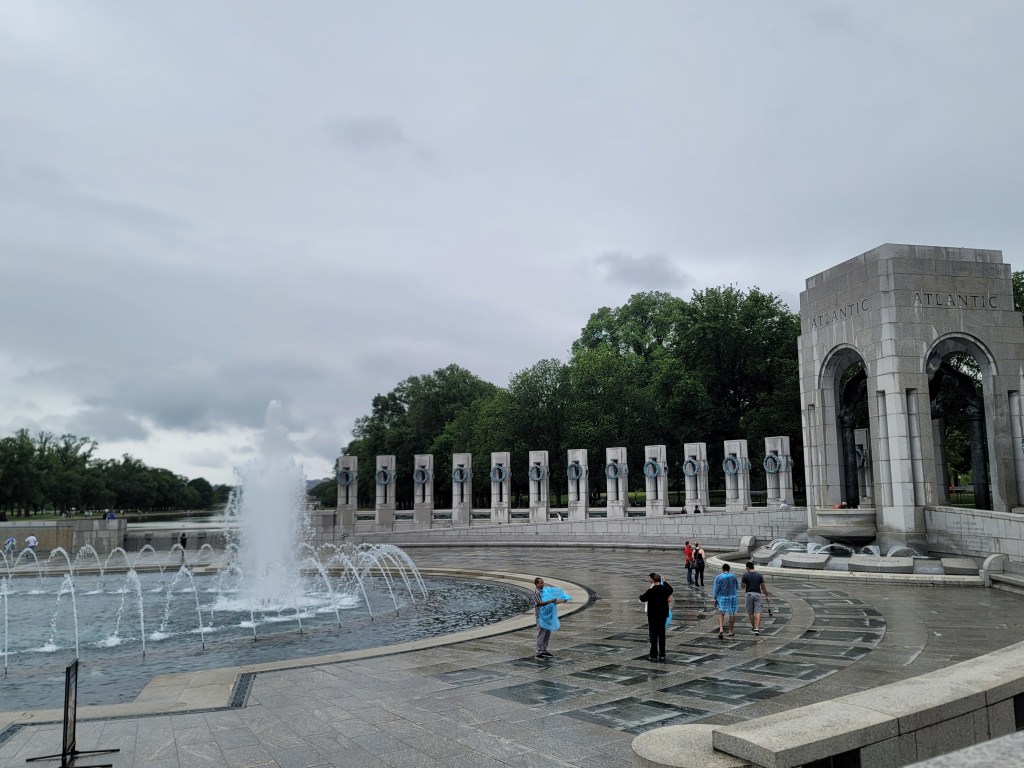
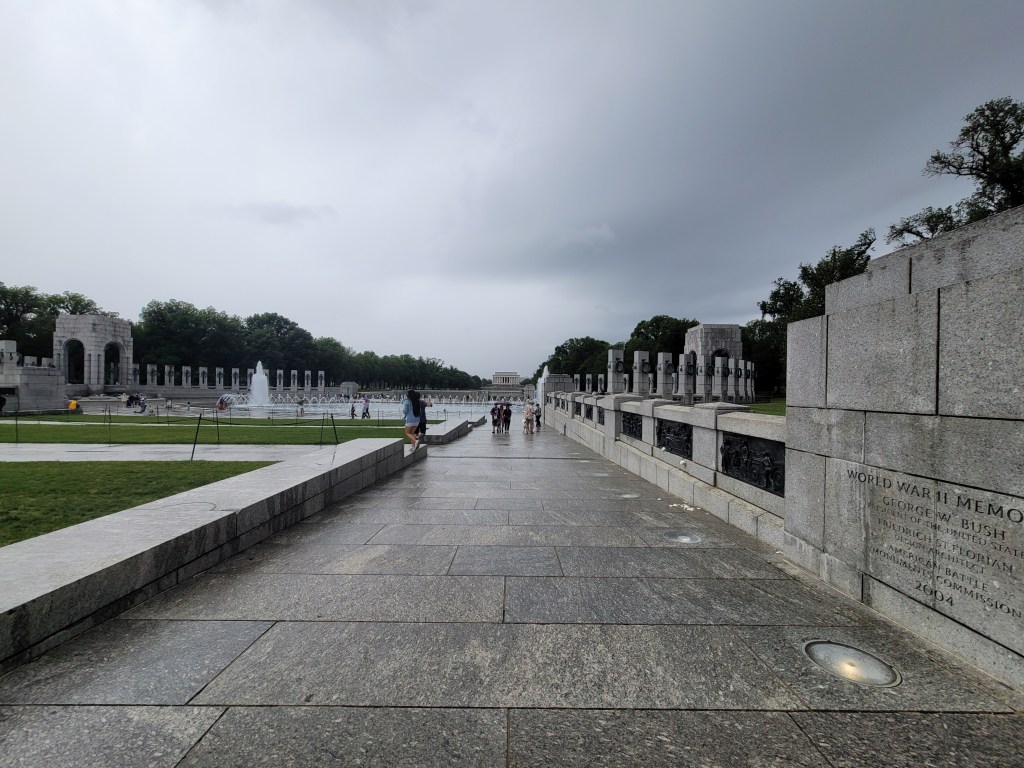

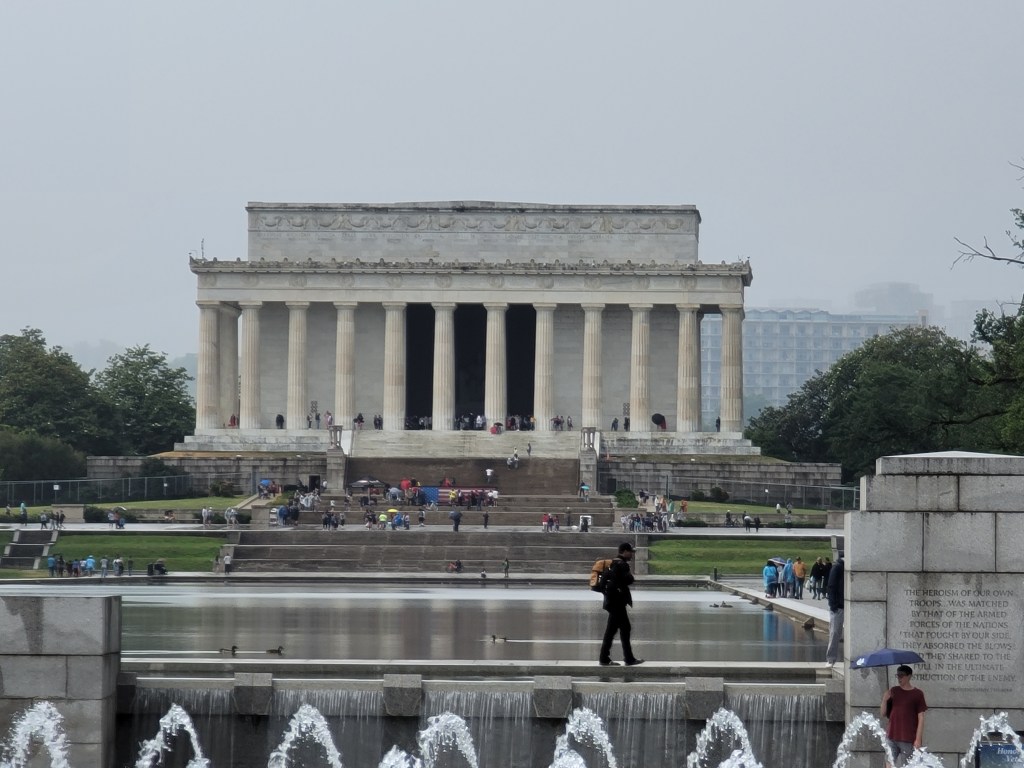
Other Memorials
I saw some of the smaller memorials that were placed within the National Mall.
The Vietnam Women’s Memorial was on the edge of the National Mall. A small, but honorable, statue showed appreciation to the women who served during this war.
The Vietnam Veterans Memorial was probably the most moving. As I walked by, I saw a line of people laying flowers along the memorial honoring those who served. The wall includes a list of names of people who were lost during this tragic war.
Band Parade
By the end of the National Mall, I was a bit exhausted. I was heading back to return my bike when I was stopped by blocked-of streets again. I heard music earlier but didn’t think much of it. As I made my way to the sidewalk, I realized high school bands were performing for the Memorial Day parade. They had color guards involved. In between the bands they included military veterans. It was actually pretty cool to see the parade honoring those who served. As the parade ran, it rained on and off. I had to give major props to the kids who stuck out in the rain! This explained the mass amount of schools I saw the previous day as well!
Back to the Hotel
I made my way back to the hotel to wrap up for the night. I needed the best shower of my life, but more so I needed to get my soaked clothes off my body. The metro was packed with people, and I happened to be one of the few soaked. I felt bad trying to sit next to someone, but I just needed to sit.
I decided I’d do laundry. I definitely had to dry my sneakers because they were soaking wet. I didn’t pack well in the sense of extra shoes. I was trying to pack light, but I kind of regretted it at that moment. I threw my shoes in the dryer, ordered DoorDash, and finished laundry. I slept probably the best I’ve slept in ages.
Journey to Washington, D.C. – Official Day 1 (Arlington National Cemetery, Lincoln Memorial, Mount Vernon)
Arlington National Cometary & Mount Vernon
I woke up incredibly excited! I thought I would start at Arlington National Cemetery because it was “out of the way” from Washington, D.C. City Central. I 100% knew I wanted to visit the Tomb of the Unknown Soldier. I always heard stories of how emotional it would be, how they did an amazing job honoring those soldiers and just the beauty of the cemetery.
I walked to the Metro early in the morning. I was a bit iffy because it was a longer walk than I expected. It wasn’t terrible though. I arrived at the Metro and followed the signs for the train. It was pretty easy to navigate. When I arrived, I wasn’t quite sure how to use it though. I purchased a 7-day unlimited Metro Pass that is directly connected to my phone. Luckily, there was a nice gentleman there who helped show me how to guide me to the train, and explain how they worked. After that first encounter, I felt like a natural resident.
The little kid in me was giddy with excitement when I boarded the train. The last train I took was in New York City over 15 years ago with my dad. I was too young at the time to know how it worked. Before that, it was in Germany. Again, I was too young to appreciate how it worked or the beauty of a train. As I sat down, I looked out the window and took photos of the cities and the actual train itself. I’m glad I went early because not many people were there. I would have been the dictionary definition of a tourist at that moment.
I arrived at Arlington National Metro. I wasn’t sure where to go but luckily found a couple of people to guide me. Again, walking, walking, walking nonstop. I think I grossly underestimated my use of walking on this trip. I arrived at Arlington National Cemetery. The outside was filled with military memorabilia. My dad was a former military, and they had a big statue to honor that division. I got a little emotional before even entering knowing my dad passed away and he was a part of history, even if it was in the smallest way. As I approached the visitor check-in, I noticed an insane amount of people. I knew it would be busy, but this was almost intimidating. I shortly discovered several schools were there as well (I later found out there was a reason for this).
I made it through the checkpoint and immediately began my hunt for the Tomb of the Unknown Soldier. I turned on Google Maps to try and guide me. As I was doing that, I realized so much more was at Arlington National Cemetery. I traveled through the walk paths as I followed my Google Maps. I saw rows and rows of graves. They looked beautiful in the most sad way though. They were all clean, perfectly lined up, perfect writing and designs. I was already tearing up. I didn’t know these people, but the fact that they gave up so much for us made me feel unworthy of being in their presence.
I realized Ruth Bader Ginsburg was buried there. Although I don’t know much about her, I did know that she did a lot for our country and women’s rights. I found her gravesite and just stared in admiration of it. That’s when I turned around and noticed the cemetery had a stunning view of the center of Washington, D.C. I had to take a picture and just admire it for a minute.
I also realized the Eternal Flame of former President Kennedy. When I learned about why he was buried there, it made it a bit more emotional. It fascinated me that a flame existed that was meant to never burn out. Although so simple, it was one of the most beautiful things I’ve ever experienced in my life. How could something so sad be so beautiful?
I found my way back on the path to the Tomb of the Unknown Soldier. I didn’t realize how I perfectly planned this. There was a line to see the Tomb, but today was even more special. Workers from the cemetery came by and handed everyone a flower to put on the Tomb. We were able to be within touching distance of the Tomb. Since it was the weekend before Memorial Day, they did a special honor of respecting the Tomb.
As we approached the Tomb, one of the working soldiers let us know that we must pay respect by being quiet and not recording as we lay down our flowers. They told us where to place the flowers (to ensure they were evenly spread out).
I walked by the Tomb and immediately felt a heaviness in my heart. I bent down to lay the flower down. Had it been my choice, I would have just sat there feeling the ground, but we had to keep moving. I can’t imagine the heaviness some families carried/carried of a loved one that never made it home. A loved one that was never identified. A loved one who gave everything to protect their country.
The soldier that protects the Tomb was confined to the backside of the Tomb because of the special occasion. Normally he’s guarding all aspects of the Tomb but was limited today due to the ceremony. It was admiring to still see how they followed protocols of the 21-second turn, 21 steps, etc. It made me realize how much this Tomb meant to some people. It wasn’t about being there. It was about respect.
I sat on the steps in front of the Tomb and watched as people lay flowers. The next thing I knew, I was wiping away tears and sniffles from my emotions. Some people were cracking jokes, and it seriously made my blood boil. I wanted to yell and tell them to leave. It blew my mind that people could be so disrespectful, especially given that they were given an opportunity that only happens a few times a year. People can be shot by getting close to the Tomb on a normal day. This is a day where we have the honor of being close, and you dare to make jokes? It made me sick.
I walked away after composing myself and followed the path back out of the cemetery. On the way, I saw a couple laying flowers on the gravesites of soldiers. They had no idea who these people were, but they were honoring them. I ended up crying again. It moved me to know good people existed in this world, especially after seeing such disgusting behavior just minutes later.
I made my way out to see the Arlington Military Women’s Memorial. Whoever designed this did a fantastic job of creating something moving, and feminine, but yet so strong. It was oddly relaxing. I would’ve sat there all day and admired it.
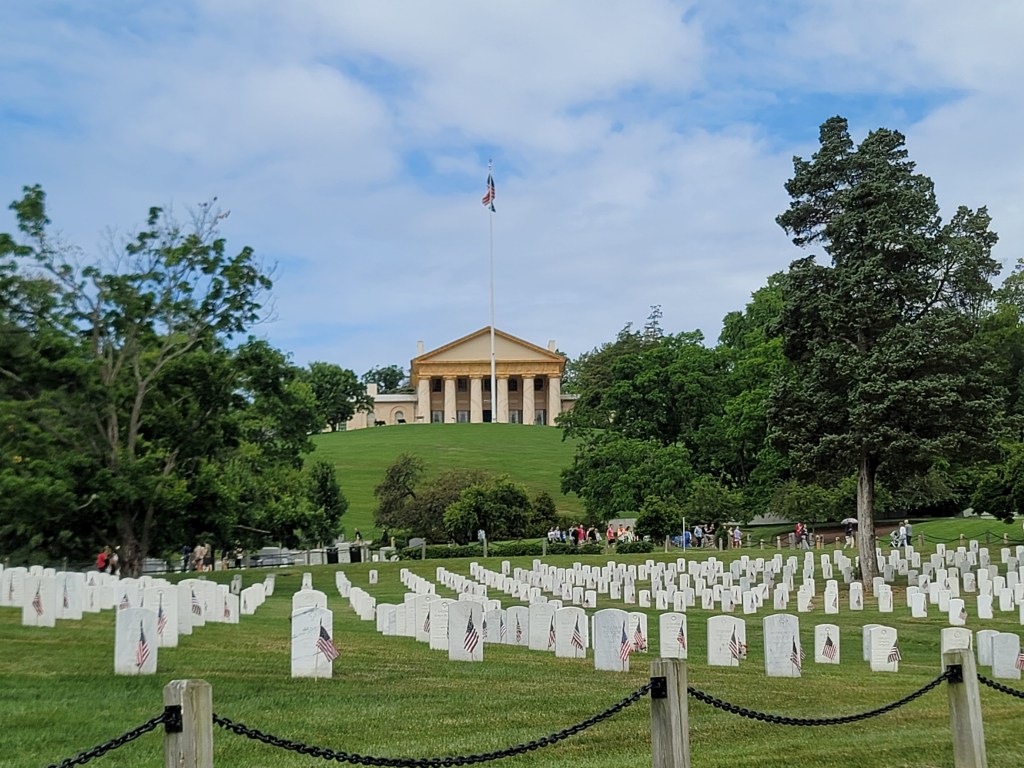




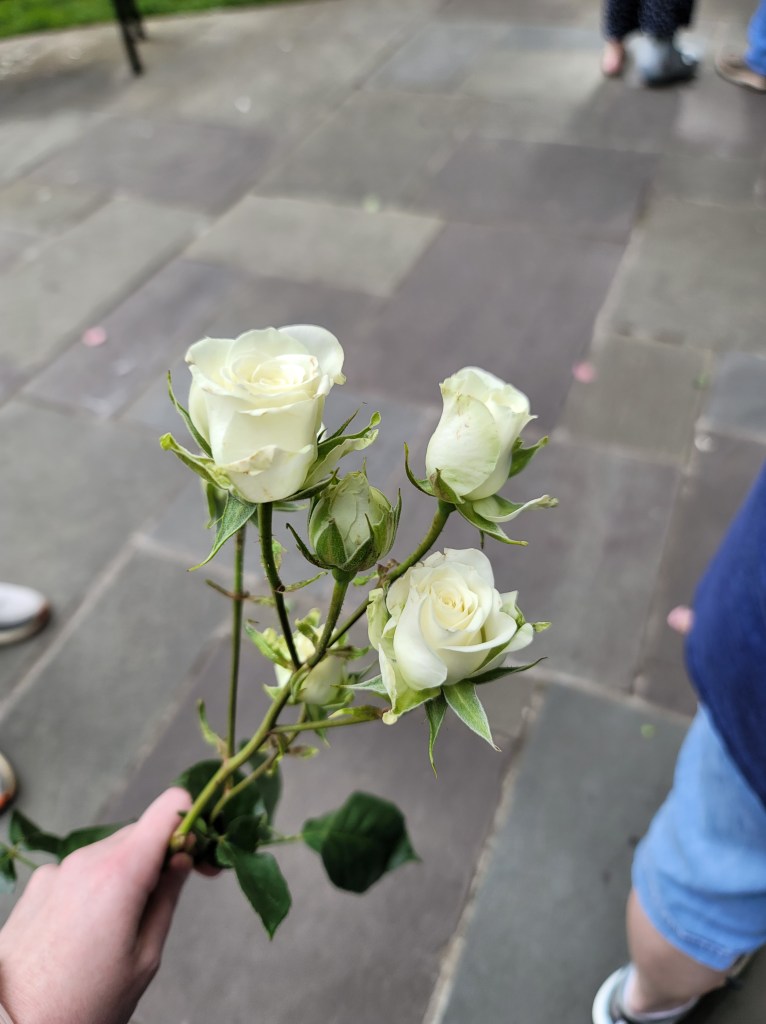
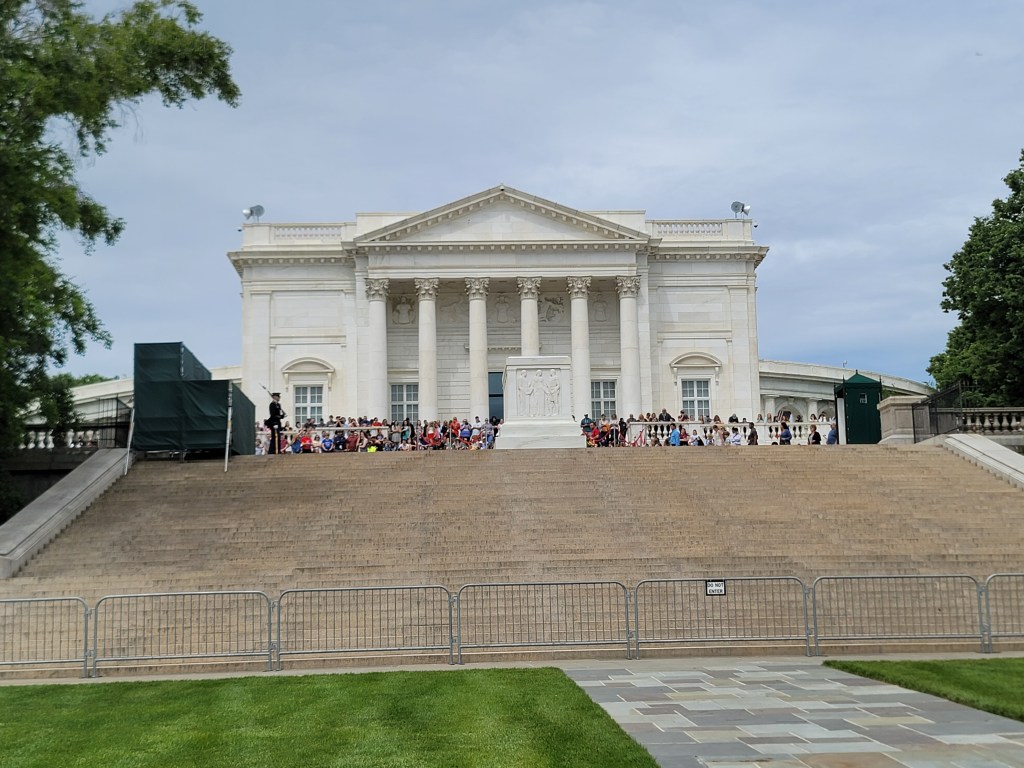


An Unexpected Delay
In between Arlington National Cemetery and Mount Vernon, I decided I’d try to see something in the city center of Washington, D.C. I decided my first stop, and closest stop, would be the Lincoln Memorial. I took the Metro to the closest spot to the Lincoln Memorial. As I made my way there, I noticed a lot of police and blocked-off roads. I didn’t think much of it, other than maybe road work, but I was wrong.
I found my way to the Lincoln Memorial. I made it up all the steps and was in absolute awe. I didn’t realize how many steps I had to climb, but when I got there it was worth it. I had wonderful and beautiful views of the National Mall (which is not a shopping mall). The statue was incredibly huge. It amazed me that someone could make this with minimal tools. They honored states on the outside rim of the memorial. It was truly gorgeous and breathtaking. It may have been one of my favorite monuments to visit. As I sat there, I realized my time was cut short. I had to haul butt to the metro to make it to Mount Vernon in time for my scheduled tour.


I made the mistake of waiting too long! I ended up caught up in a motorcycle parade for Memorial Day. It lasted over an hour. Loud revving engines that just kept coming and coming and coming. There were thousands, if not tens of thousands, of motorcycles. It was never-ending. It made me look up what was happening, which I discovered was a Memorial Day remembrance and demonstration parade. It was called Rolling Thunder. Just when the motorcyclists were finishing, semi trucks followed. Initially, it was pretty cool. But how many motorcycles can you see without getting irritated by the loud rumbling? Even with my headphones in, I heard it like I was part of it. It didn’t help that I was on edge about making it to my tour in time too. It would have been different if they showed patriotism, but it was literally just motorcycles riding with honor. I would’ve loved to see some banners, flags, etc. The semi trucks were much more impressive on this front. There was one moment when a soldier stood in the middle of the traffic at salute to honor those fallen. That was the most impressive part of the demonstration.
When it was over, I walked faster than I ever did in my whole life to make it to the closest metro (which I later realized was not the closest metro). Somehow I made it without being too irritated by traffic. My focus was making it to Mount Vernon.
Mount Vernon
My second major visit today would be Mount Vernon – Home of George Washington. As a teacher, this was the nerd in me coming out. Although I don’t teach history, I am fascinated by it. I knew that this was one of the sites I had to visit before I left.
Getting here was a bit tough. I had to take several trains and buses to get here. Some of the train stations were extremely sketchy. At one of the stops I started to feel a bit paranoid. On any other trip, I would have had mace and other defense items. However, in Washington, D.C., you can’t go anywhere with anything – not even nail clippers. I definitely felt out of place and nervous.
I had less than 20 minutes to make it to my appointment for my scheduled tour. I knew I couldn’t wait here for 20 minutes. I was already anxious and feeling on edge. I didn’t know what to do. Out of desperation, I took my first Uber. I just had to get out and get away as soon as possible.
I’m a very paranoid person (especially being a female traveling alone), but this Uber driver made me feel safe and comfortable. There was no awkward conversation. He made sure to keep his distance in his driving. He never once showed his frustration with other drivers. I felt extremely safe.
I arrived at Mount Vernon and immediately hauled butt to the actual tour. I had about 8 minutes to get there. I do wish they had more signs telling you where what is. It may have been easier if I grabbed a map on the way in, but I didn’t have time. I found the line to the tour. It was a good mile-long line. Again, there were tons of schools here visiting. I was starting to think something was going on (which I later learned was). Luckily, they were pulling people in by their tour times. I was able to move up front based on the time of my tour.
His house was absolutely stunning, even before entering. The perfect symmetry made my ADD heart happy. It was my ideal house in terms of being equal on both sides. It sat on the end of the river, with a stunning view of the river and landscapes. It seriously made me feel at ease and calm.
When we entered, it was everything I expected. It encompassed a lot of old memorabilia from the time. The floors were made of stone or dirt. In some spots, they had wood. In fewer spots, they had carpet. Almost every room had a fireplace. The walls were covered in intricate wallpaper, which I’m sure at the time meant you had money. The number of items made from metal and gold was stunning. Canopy beds were apparently a trend of the time. The rooms were decently sized, given the period. It was eye-opening to see the old doors and keys. Some keys were bigger than both my hands put together. At some parts of the property, I was amazed at how protected he could have been during this time.
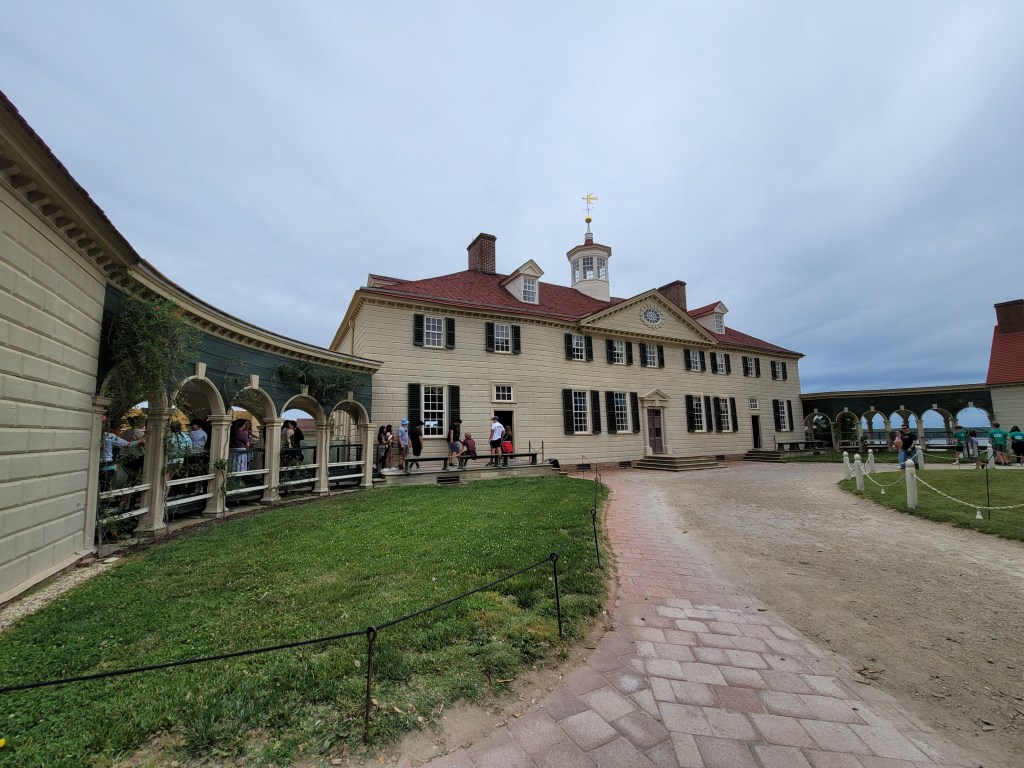

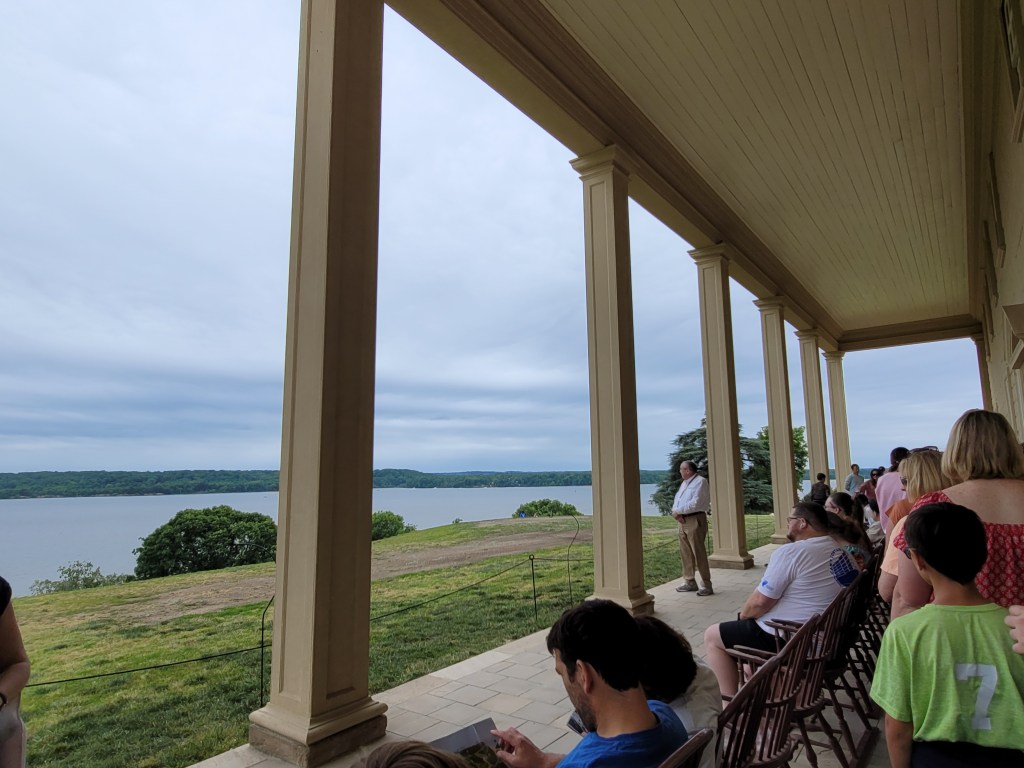
We saw George Washington’s desk and old books from the time. Things like this make me sit in awe realizing how far we came as a country. Wooden windows that were deteriorating due to age. They are doing a good job at preserving and restoring though, so I will give them credit! The ceilings had detailed designs that represented class status at that time. Many of the items in George Washington’s house were gifts given to him by other countries – including his main fireplace mantel. It blew my mind how everything matched within one room. The wallpaper would match the bedding.
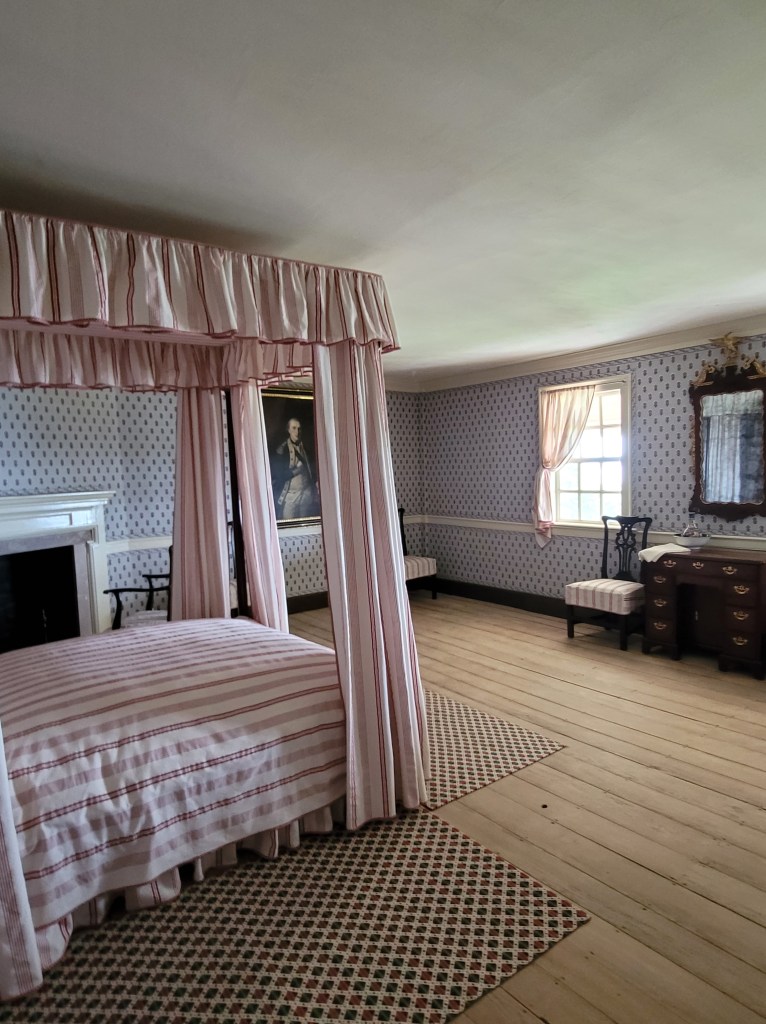

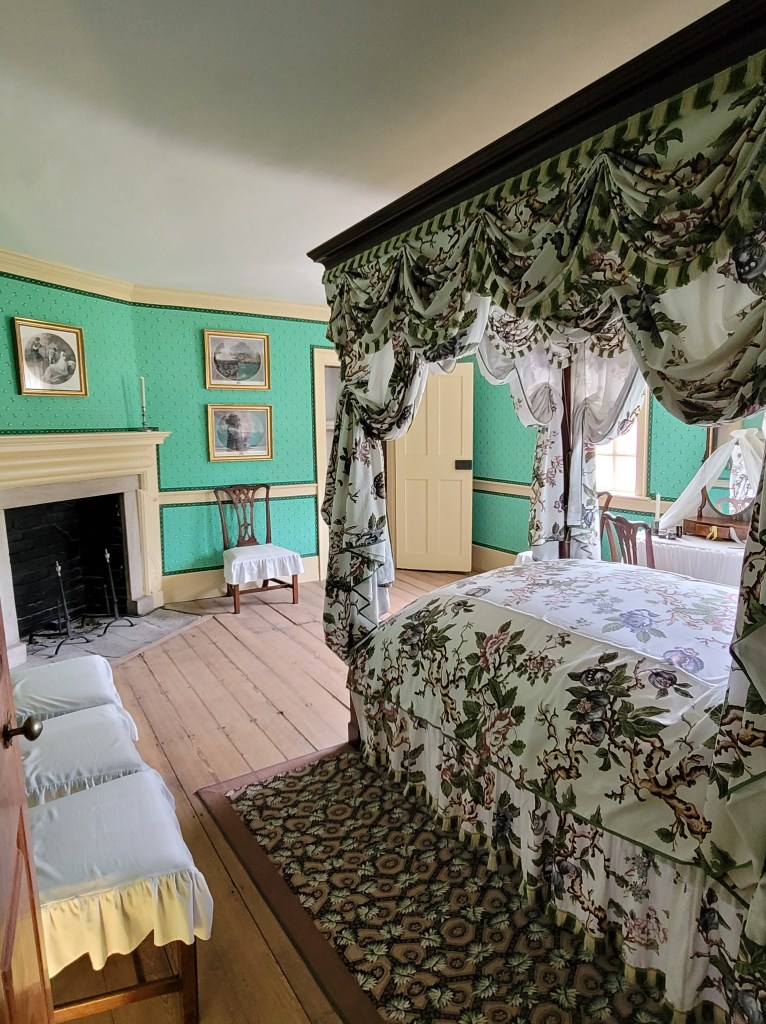

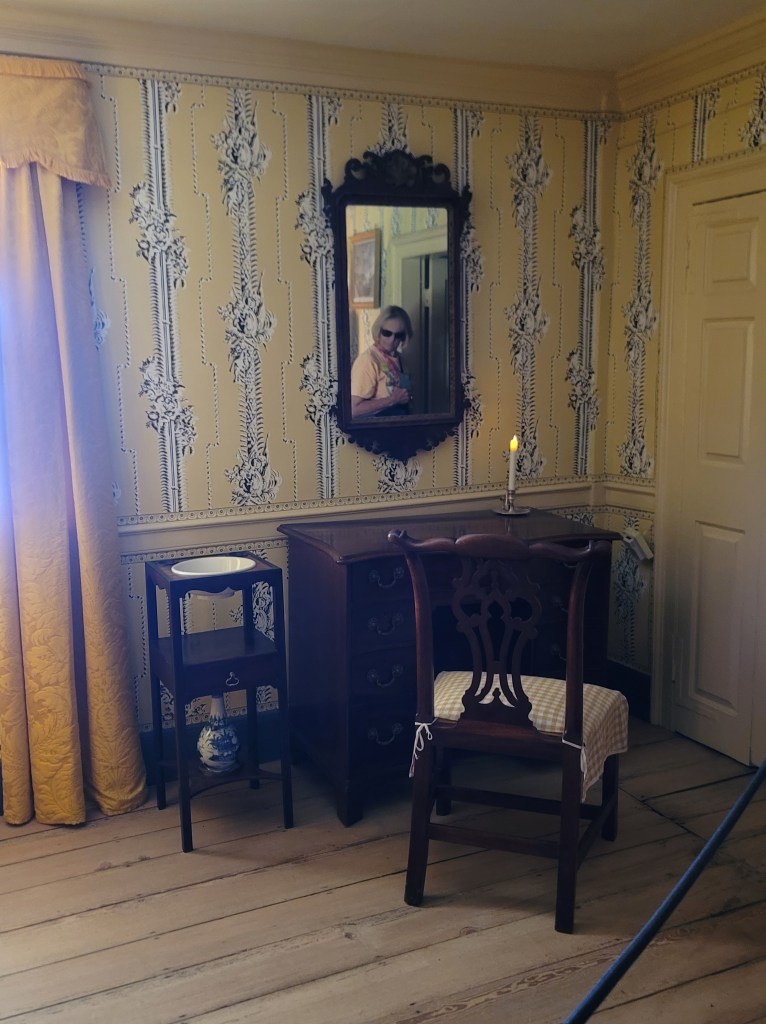
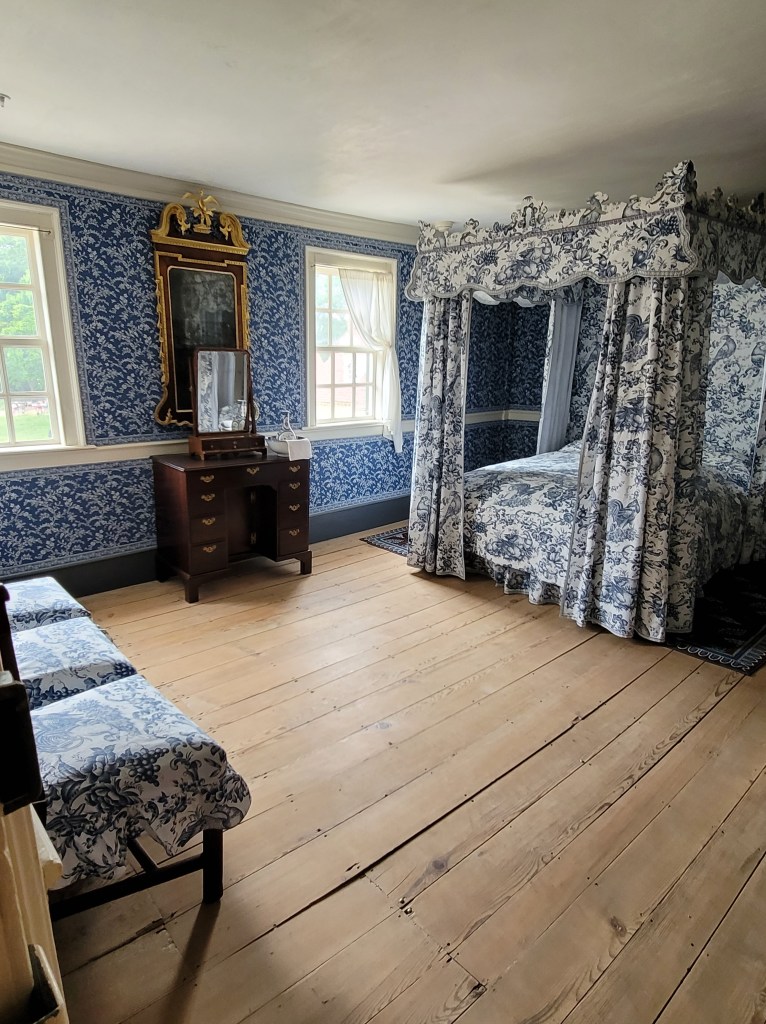

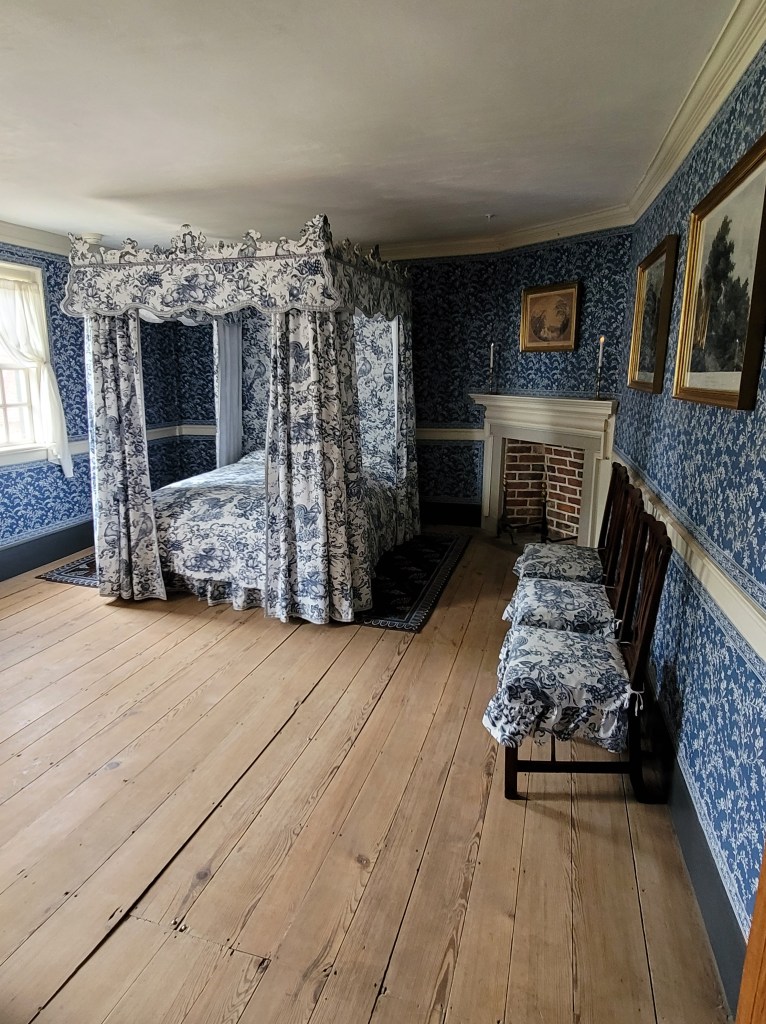


We were able to see George Washington’s room. The same room that he died in. Although I didn’t experience anything paranormal, I’m sure there’s something interesting that happens there. I can’t imagine dying in my house, my house turning into a national treasure, and having hundreds of thousands of people in my home just about every day.

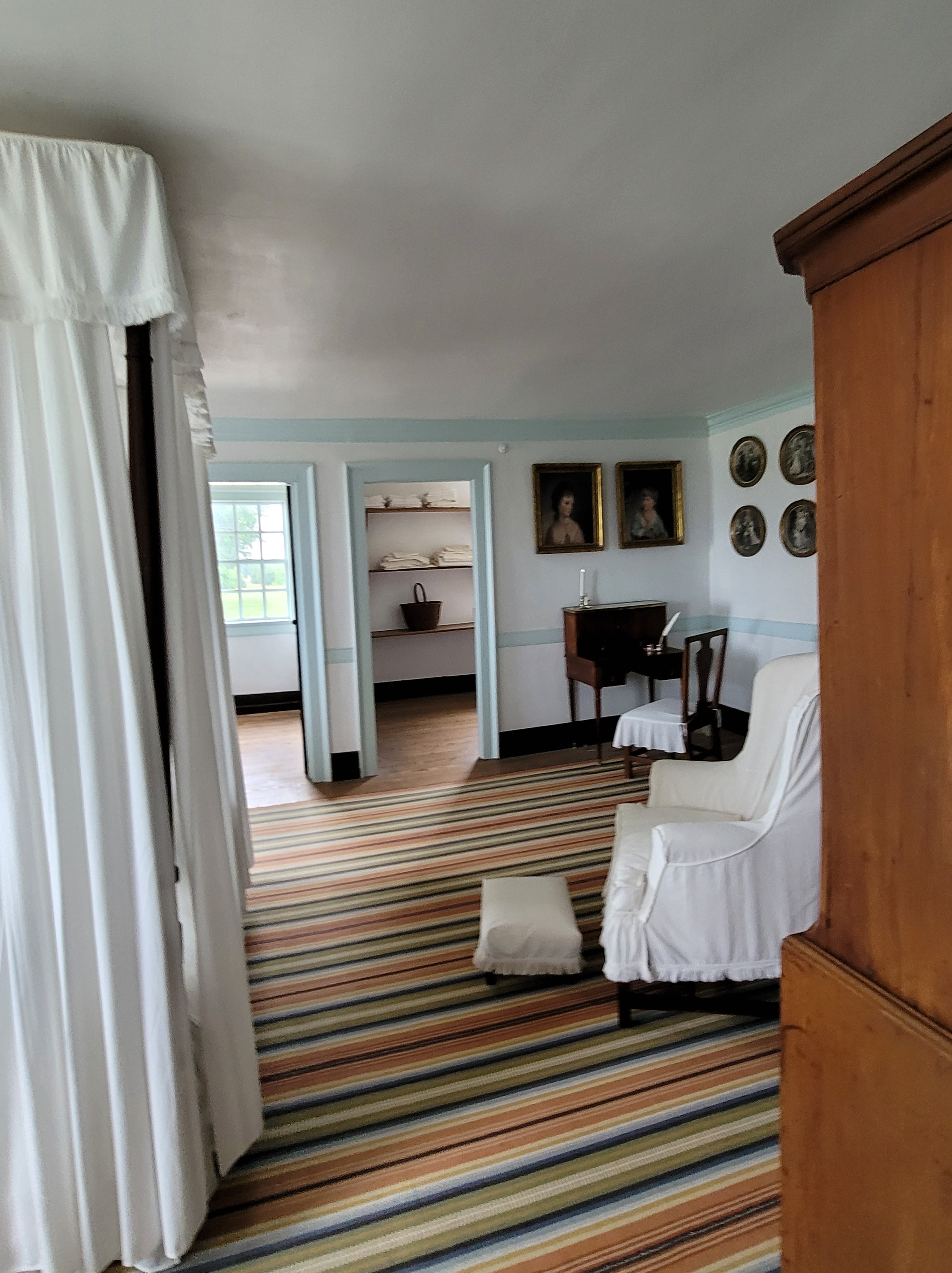
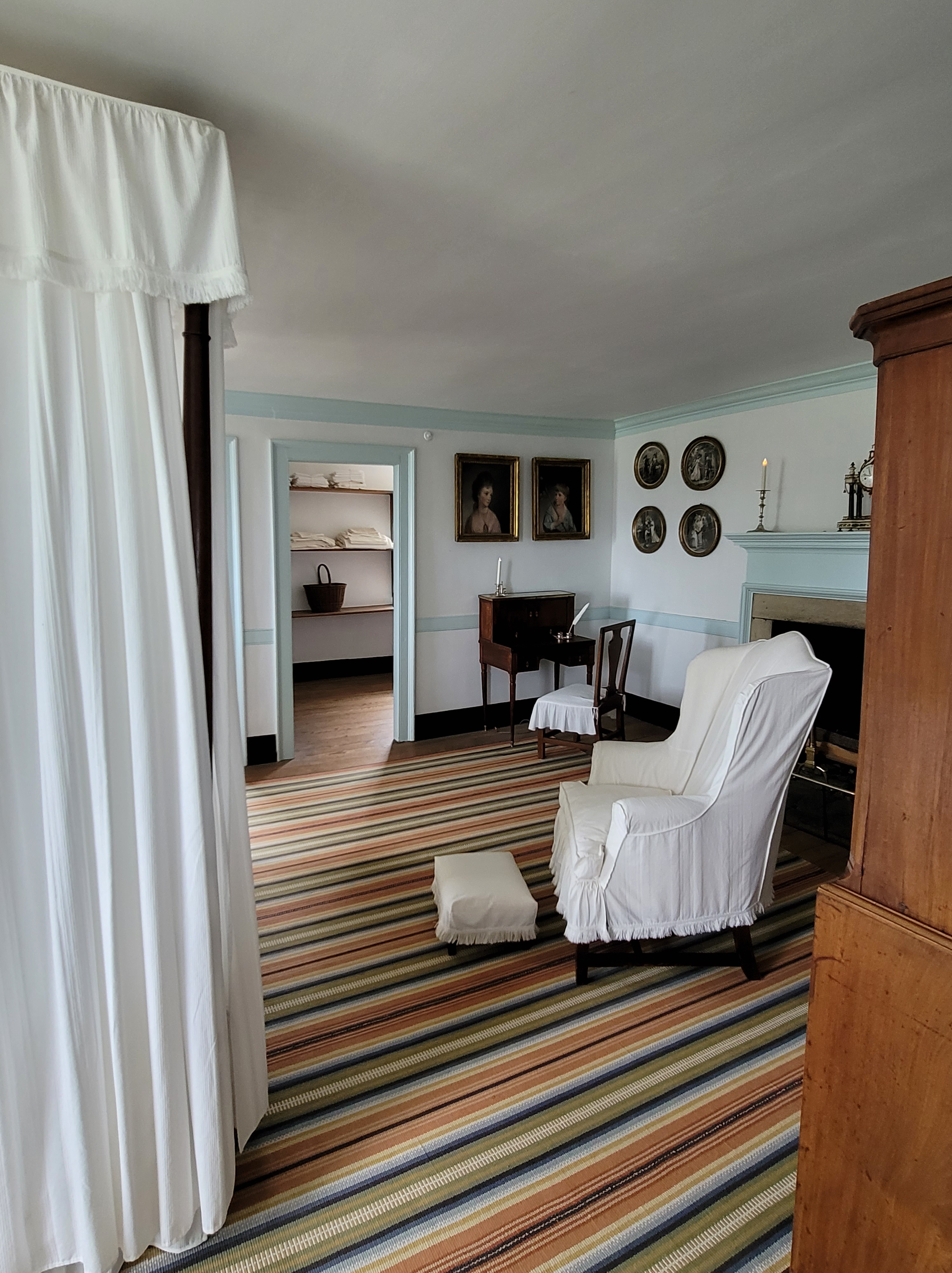

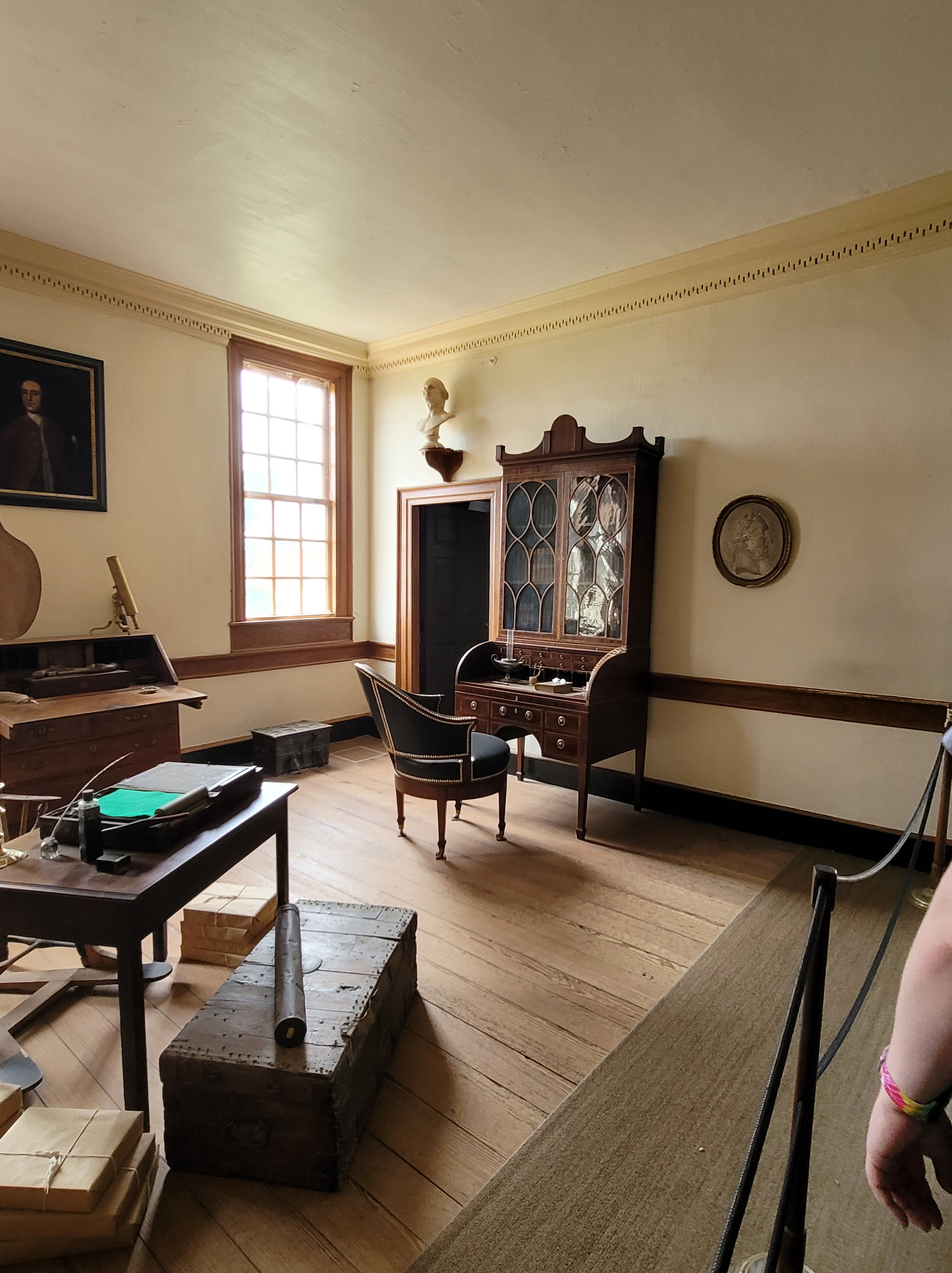
After touring the home, I visited several other buildings on the property. I saw George Washington’s old tomb. The original tomb was meant as a temporary holding space until he would be buried at the Capitol in the city center of Washington, D.C. However, by the time they created a burial site at the Capitol, Washington’s family and estate basically told them no. Instead, they build a new tomb, on the property, for him and his wife. Again, it was enchanting to see how people survived and lived during that time period.


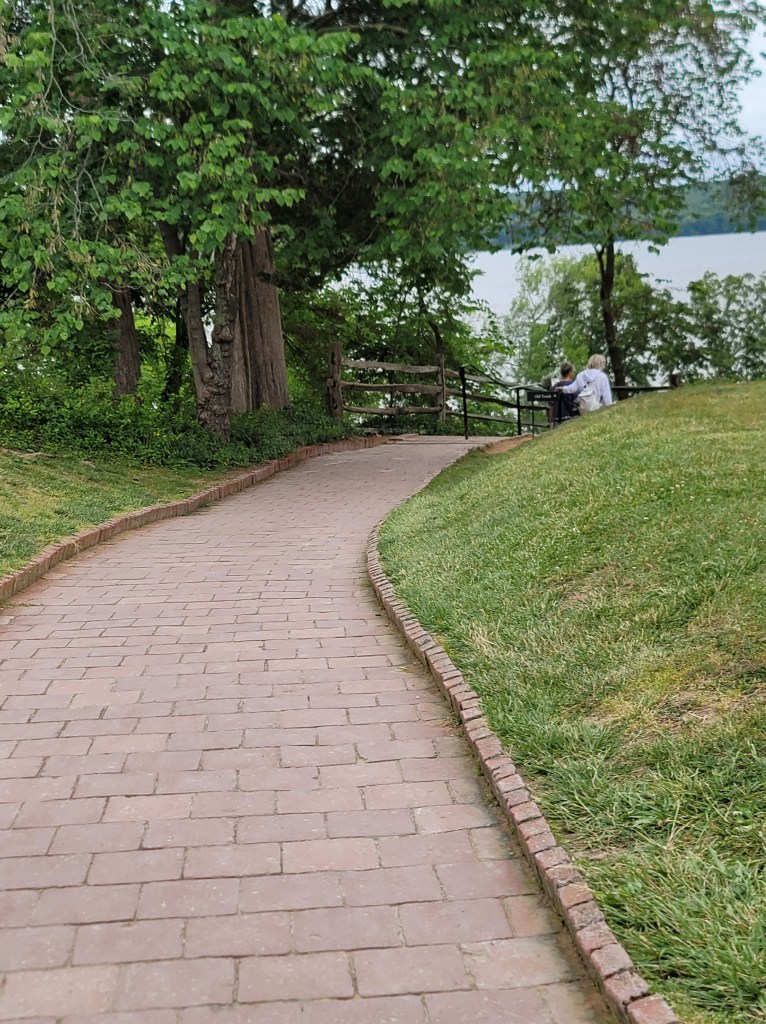
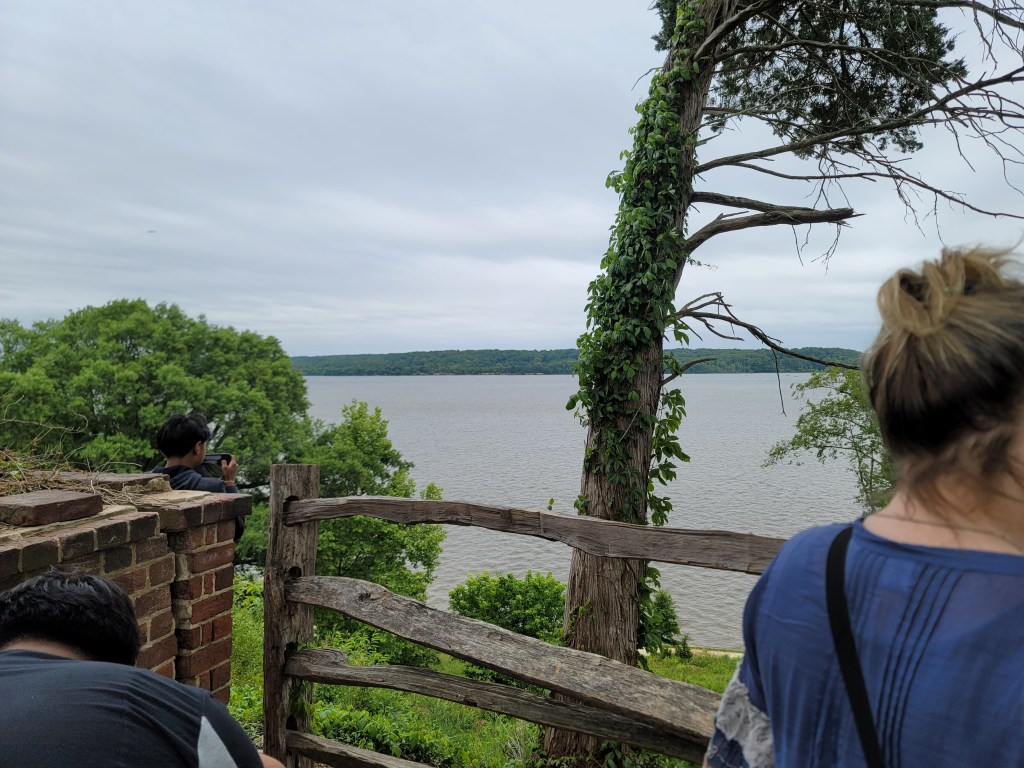

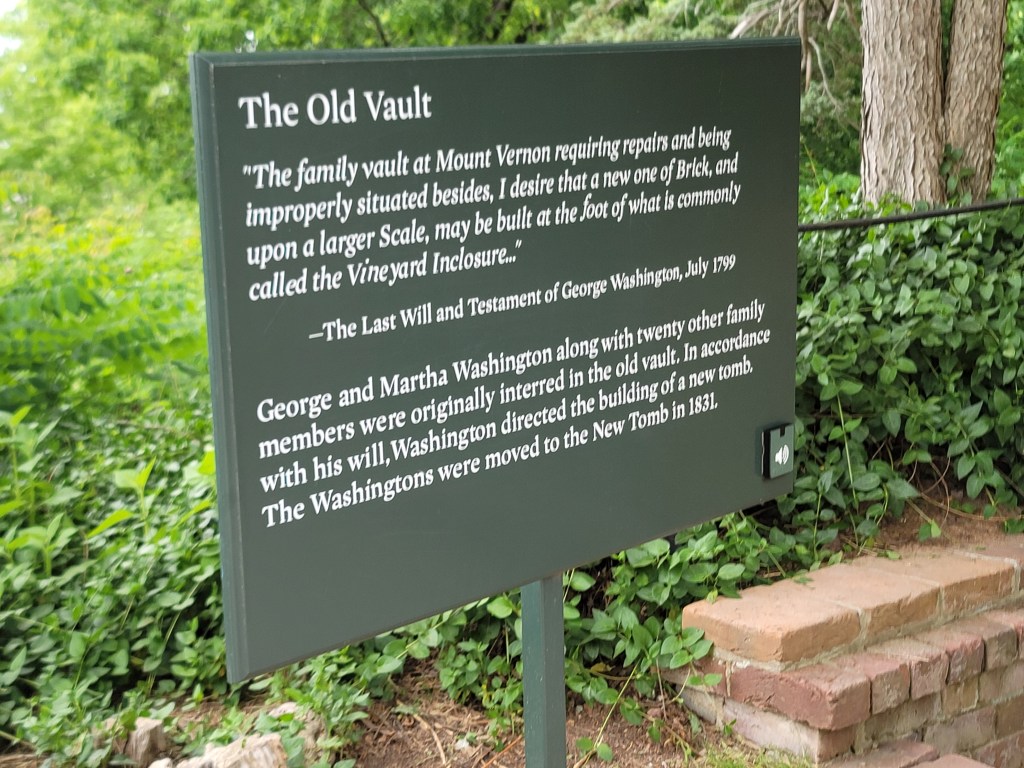
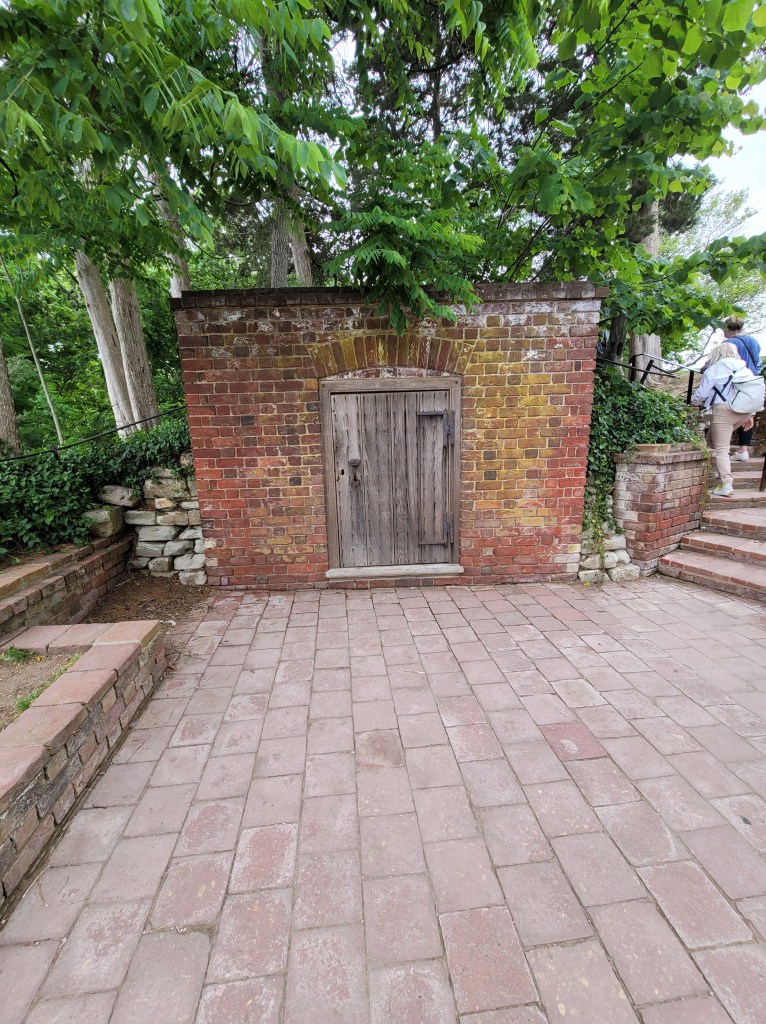
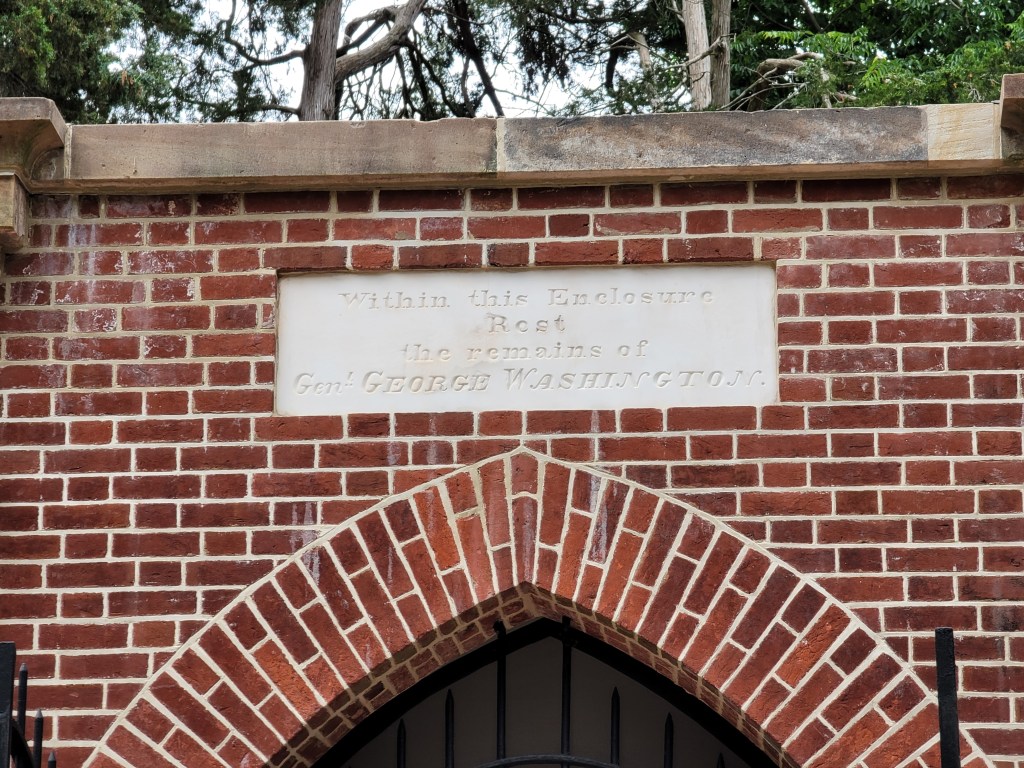
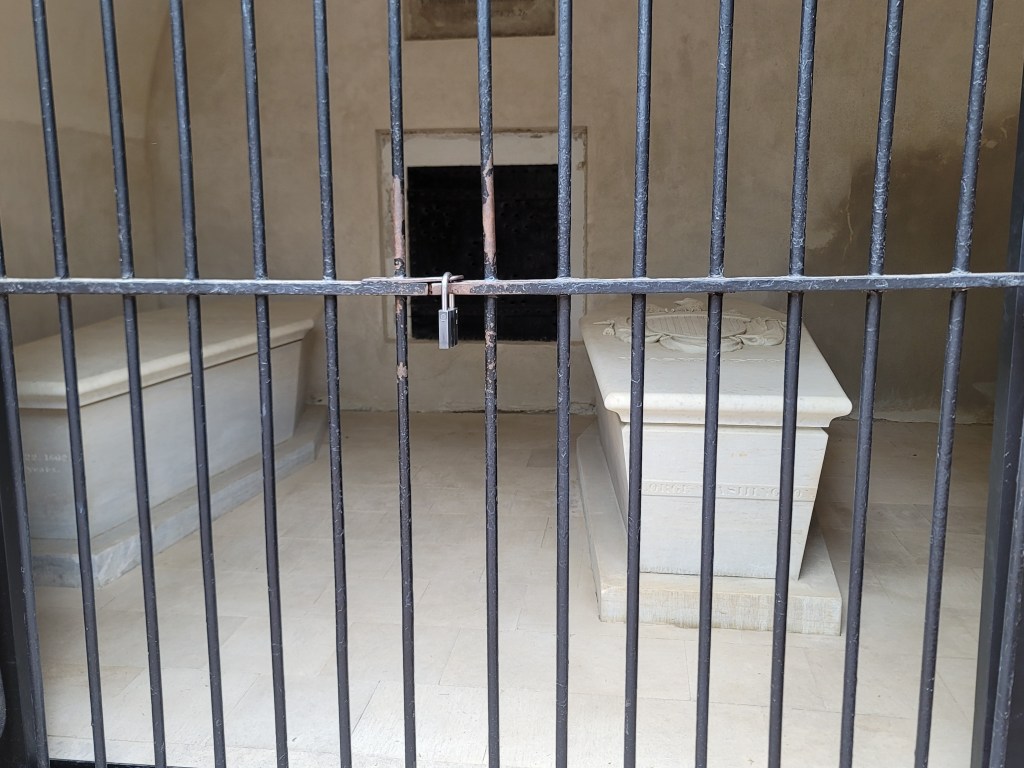
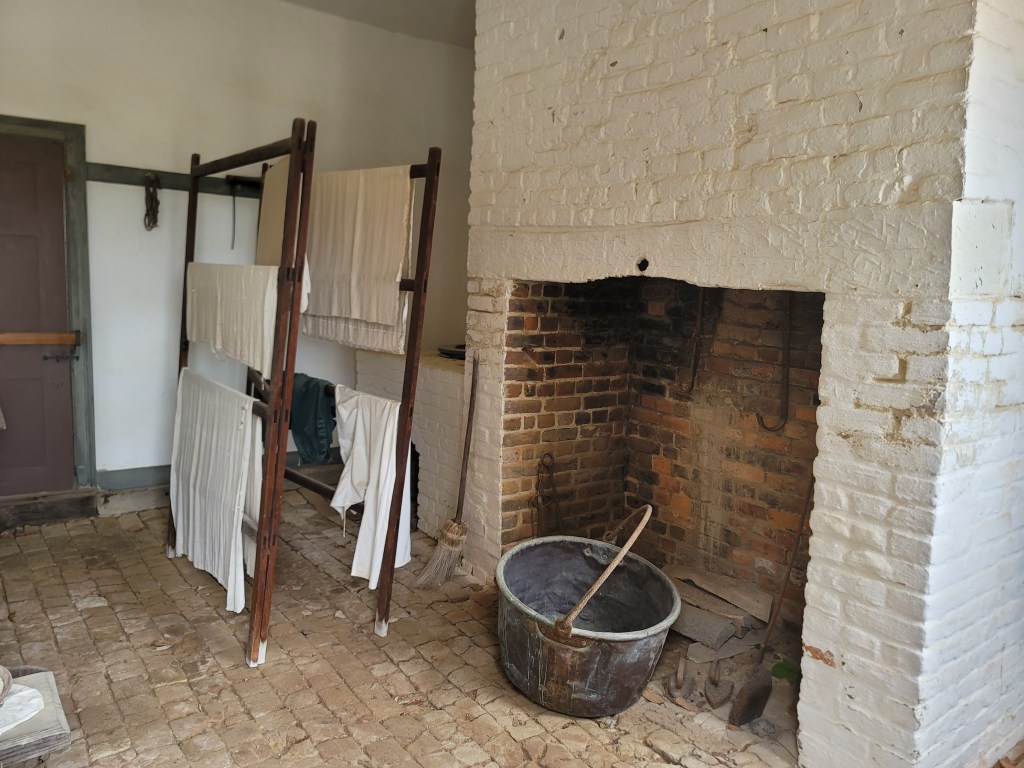


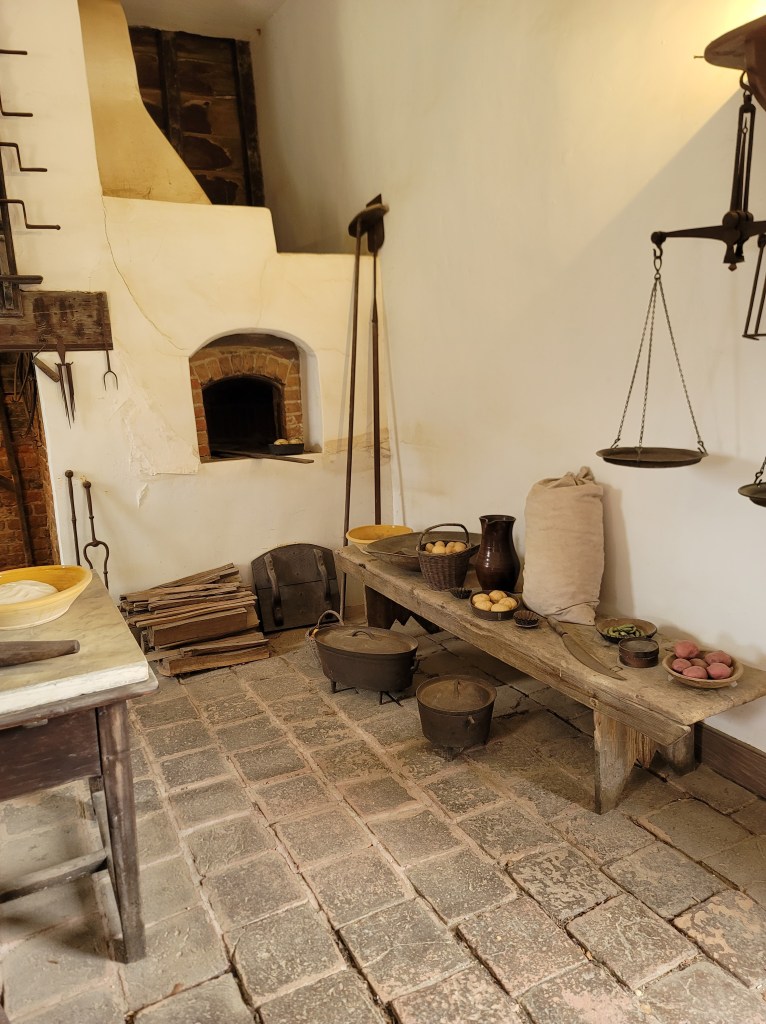
The most moving part of Mount Vernon was the Slave Memorial. Walking up to the Slave Memorial, there were unmarked graves. They outlined the graves with rope and included small rocks of who should be buried there. Right next to it, a memorial was built to honor those who were part of the property. It’s not something many people think about, but to have that honor was eye-opening.
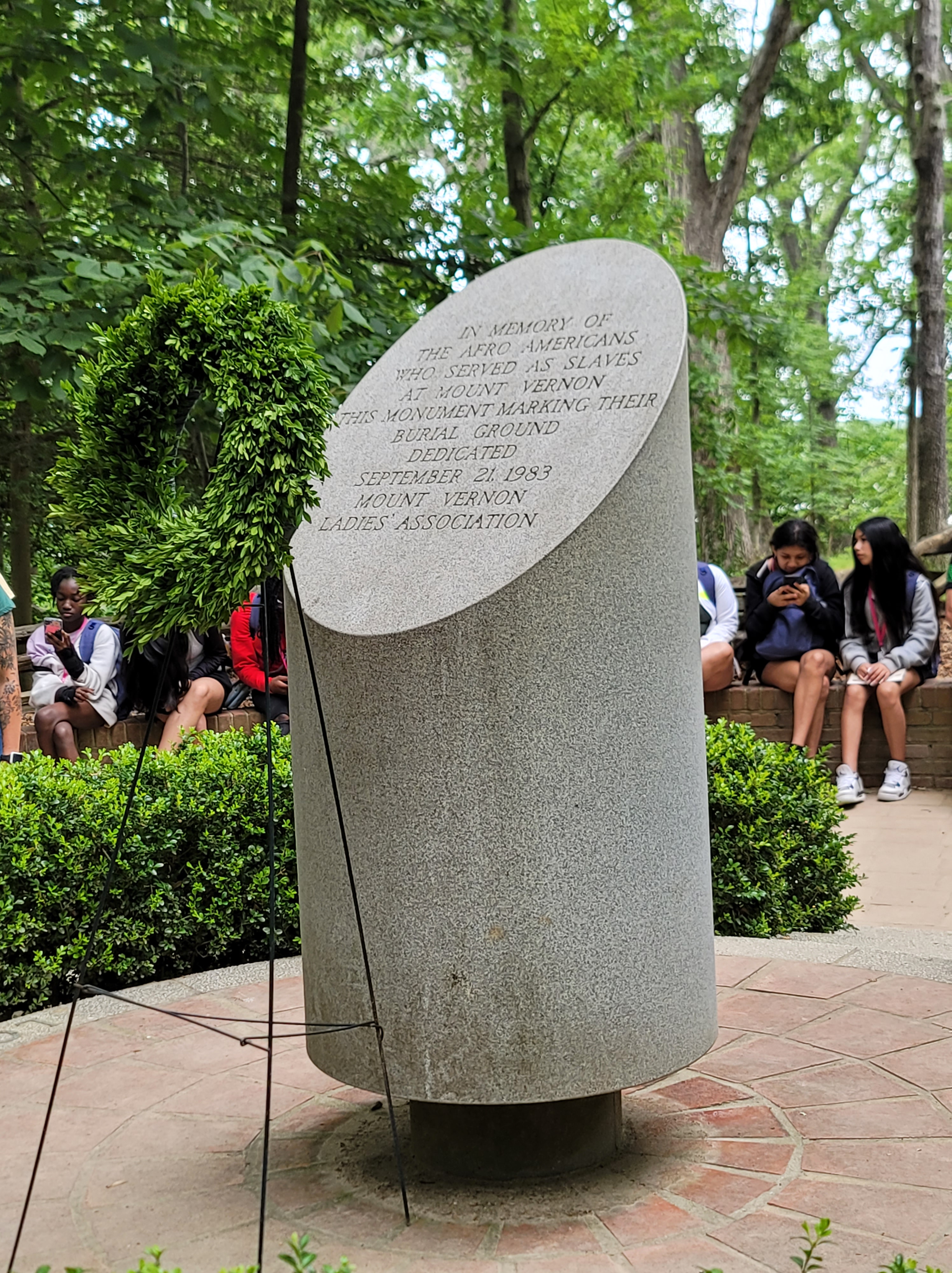

Overall, I’m glad this was my first official day. I experienced a range of emotions. I feel like this was the perfect way to start my trip and be grateful for the opportunities I had in front of me. I was extremely lucky to have been part of a memorial service for those that served and honor those that served recently and from the 1700s.
The Gift of Failure – Ways to Encourage Failure
Most of us grow up not knowing what failure is. When we “fail,” we just keep going or keep trying. We don’t get berated for falling when we try to walk. We don’t get criticized when playing t-ball and miss the hit. Instead, we are taught to keep trying, keep working, and grow from our experience. At times, encouragement is also thrown our way to hope we do better.
Somehow, that changes though as we age. Somehow encouragement turns into negative, non-productive criticism. Keep trying turns into giving up. Self-esteem gets tarnished and hurt. Perfection is expected, even though perfection doesn’t truly exist. A minimum standard becomes a measurement – whether it be weight, grades, time management, etc.
Somewhere along the way, we lose the meaning of what it truly means to fail and the importance of failing.
Childhood Failures Encouraged
During childhood, it is considered a gift to fail. Even though it’s not necessarily called a gift, the idea of it being a gift is there.
When babies first start speaking, they don’t say “mama” or “dada” on their first try. Instead, parents, friends, and other family members giggle, smile, and keep repeating the words in hope to help the baby say “mama” or “dada.” These same people don’t look at the baby with disgust and say, “You can do better. I’m disappointed in you.”
Kids are notorious for lying – intentionally or not. Sometimes it’s a little white lie, while other times it’s quite large. As parents, a discussion is had with the child to encourage telling the truth and explaining the issue with lying. After the discussion, there is hope that there will be a change in behavior for the lying.
As children, it is encouraged to play, make friends, learn new games, and socialize. The more these things occur, the more growth happens. When children don’t play, don’t make friends, and don’t socialize, adults encourage it and sometimes seek assistance to make those areas grow. A concern is given for those who do not play, make friends, learn new games, and socialize.
So why do these expectations turn into negatives?
Adult Expectations
Somewhere around the end of elementary school and beginning of middle school/junior high, society starts to place higher expectations of children. They must make certain grades, they must respect others (especially adults), they must listen to rules, they must stay quiet when spoken to, they must work with others, etc.
It changes from encouragement to expectation. If those expectations are not met, we start to have discussions with children and let them know it’s no longer encouraged, but expected. When these expectations aren’t met, then someone becomes disappointed in them. In turn, it hurts their self-esteem, causing more issues with the encouragement of what they struggled with in the first place.
Continue that through high school where a required ACT/SAT score is needed to get into college and so many credits are required for graduation, placing pressure on an individual to make a specific score. The higher your score, the more likely you’ll get into a college of your choice – whether it be grades of ACT/SAT. Now, that encouragement becomes more pressure based than something out of genuine effort. College just intensifies this.
Students begin to work jobs. There are expectations in jobs. In the beginning, new employees are often “guided” and given constructive criticism about their new job. However, that constructive criticism becomes toxic. It starts off slow with general criticism. Oftentimes, it turns into peers talking about one-another, which in turn breaks the spirit of the employee. Even if this doesn’t occur in front of the person, word eventually gets back around.
In all of these struggles, we forget the gift of failure.
Joys in Failure
What makes failure such a great concept? Why is failure so important? How do we encourage failure in a positive way?
Failure allows people to grow as individuals. It allows them to reflect on what happened, what went wrong, and how to prepare for the future again. Failure creates an atmosphere for continuous growth. Continuous growth is important as a person to ensure we become better. We can become better as a person, as an employee, as a friend, as a mother, as a father, as a sister, as a brother, etc. If we stay stagnant in who we are, we risk losing important people and things around us.
Along with growth, failure allows us to handle criticism better – either from ourselves or others. Failure tells us that sometimes things happen, sometimes we mess up, and sometimes we need help, and that’s okay! Having that guidance allows us to not become broken in our self-esteem, but instead say, “I overcame this,” no matter how big or how small. It breeds self-acceptance in what we are able to handle and what we can learn. A person who thinks they are always right has no room for growth and will never see the value in failure.
Failure also allows us to find ways to never give up. When we fail once, we tend to try again. Failing multiple times, especially in adulthood, we tend to get discouraged. However, if we look as failure as a lesson instead of an action, we can see where growth can occur.
Applying for a job, but not getting the job, because of a bad interview is a learning lesson. We can reflect on why it was bad. Was it the outfit? The noise? The choking during answers? We take time to reflect on the possibilities on the why to make changes for the future.
Not making the sports team can also reflect on a lesson. Did we not make the team due to skill? Teamwork mentality? Conflict in scheduling? Take those lessons and make the necessary changes.
We don’t give up. We learn. We grow.
Change the Mentality of Failure
Failure is so important to the growth of people and society. Without failure, we won’t change, which causes many problems within ourselves and in society. Failure allows us to see the possibilities in what can be. Failure is incredibly important.
As a society, we need to remember what it was like growing up and how failure was encouraged. We should take those tools we experienced as children and promote them into adulthood. It is okay to fail, if we approach it in a way that encourages change. Instead of criticising someone in a negative way, we need to provide ways to encourage the growth that can be produced from failure.
Ways to encourage failure:
- Constructive Criticism: Constructive criticism allows someone to see where they went wrong and how to fix it without their self-esteem being shattered.
- Explanation: Explanations allow someone to understand the why, how, what, etc. This will give them clarity on why someone wasn’t happy about a specific issue.
- Radical Acceptance: Radical acceptance is just accepting something as it is. “It is what it is…” is the best way to describe radical acceptance. It cannot be changed. What is done is done, what is in the past is in the past. However, I would highly encourage pairing this with constructive criticism or explanation.
- Mentoring: Becoming a mentor is underrated, especially in the topic of failure. Mentoring should be something encouraged to allow others to learn from someone who does well in the area in which they are struggling. It could be one person assigned as a whole mentor or multiple people assigned for a variety of topics in need. Mentors are incredibly important to growth.
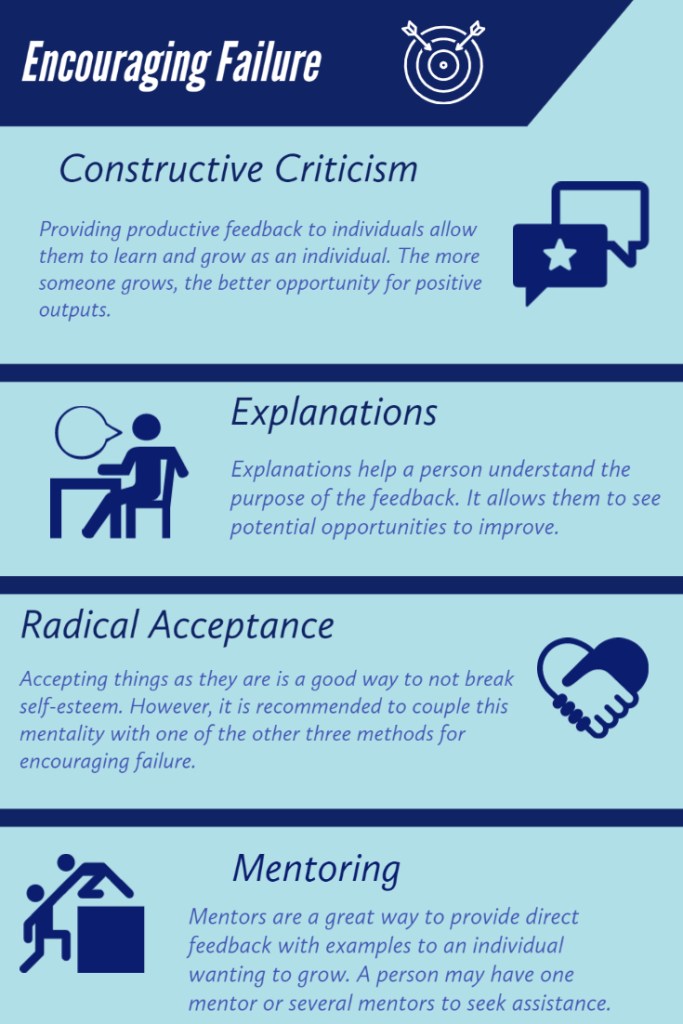
Failure will always be a part of our life. No one is perfect. Even those that think they are have room to grow. Failure is a part of change and growth. Failure can be overeating, forgetting a blinker at a turn, or not making the score you expected. All of these examples have room for growth if approached the right way.
 Angel Boucher